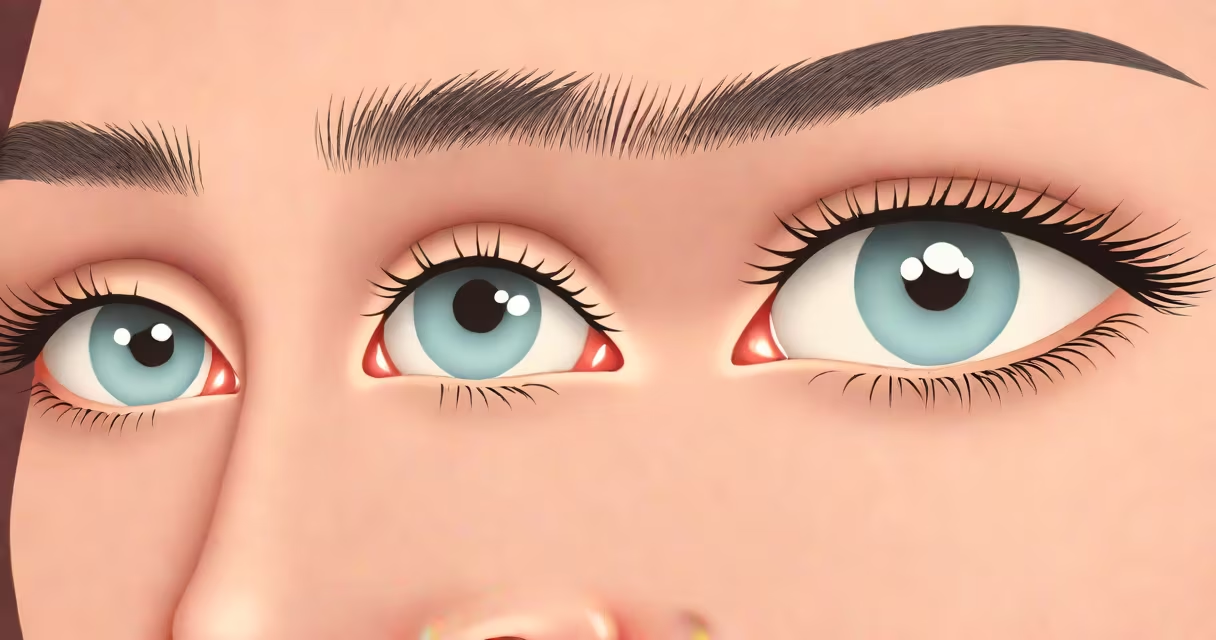
Your eyes feel hard when muscle tension, dryness, or neurological feedback creates a sensation of stiffness or pressure behind the eyeballs. This feeling often stems from prolonged screen use, dehydration, or underlying eye conditions.
The sensation of hardness isn't a physical change in eye tissue-it's a perceptual signal from nerves in the eyelids, cornea, and extraocular muscles. When these tissues are fatigued or irritated, they send signals interpreted by the brain as firmness or resistance. This is distinct from actual eye rigidity, which would indicate serious medical issues like glaucoma or orbital inflammation.
Common triggers include staring at digital screens for more than 20 minutes without blinking, low humidity environments, or uncorrected vision problems. The American Optometric Association notes that 65% of adults report eye strain after extended screen time, often describing the sensation as "tight," "heavy," or "hard."
When you focus on near tasks-reading, typing, or using a phone-the ciliary muscles inside the eye contract to adjust lens shape. Prolonged contraction leads to muscle fatigue. This fatigue doesn't cause pain but alters sensory feedback, making the eye feel rigid or unyielding.
Dry eyes contribute. The tear film normally lubricates the surface of the eye. When evaporation exceeds production-especially in air-conditioned rooms or during focused work-the cornea becomes sensitive. Nerve endings detect this friction and relay signals that feel like pressure or hardness.
A 2022 study published in *Ophthalmology and Therapy* found that people who blink fewer than five times per minute while working on computers reported higher rates of perceived eye stiffness. Normal blinking rate is 15-20 times per minute. Reduced blinking reduces tear distribution, increasing surface irritation.
Not all eye discomfort is the same. Confusing "hard" with "hot," "tired," or "dry" leads to misdiagnosis. Here's how they differ:
| Sensation | Primary Cause | Key Trigger | Typical Relief |
|---|---|---|---|
| Hard or tight | Muscle fatigue, dryness | Screen time, low humidity | Blinking, artificial tears |
| Hot | Inflammation, infection | Conjunctivitis, blepharitis | Antibiotic drops, cold compresses |
| Tired | Visual overuse, lack of sleep | Long reading sessions, poor posture | Rest, 20-20-20 rule |
| Itchy | Allergies, environmental irritants | Pollen, dust mites, smoke | Antihistamine eye drops |
"Hard" eyes often come with a dull ache behind the brow or temple. You may notice reduced visual clarity or a sense of effort when shifting focus between near and far objects. This differs from the sharp, burning pain of a corneal abrasion or the throbbing pressure of sinus-related eye discomfort.
One non-obvious distinction: the sensation of hardness rarely occurs in both eyes simultaneously unless caused by systemic factors like dehydration or stress. If only one eye feels hard, consider localized issues such as blepharitis (eyelid inflammation) or a blocked meibomian gland.
Consider Sarah, a software developer who spends 8 hours daily coding. She reports her left eye feels "like a rock" after 3 hours. Her right eye remains comfortable. She uses blue-light glasses and takes 10-minute breaks every hour.
Upon evaluation, her optometrist finds mild dryness in the left eye due to incomplete blinks during typing. The left orbicularis oculi muscle shows early signs of fatigue. After introducing a 20-second blink exercise every 20 minutes and using preservative-free artificial tears, Sarah's sensation resolved within four days.
This case illustrates that unilateral eye hardness often points to mechanical or local factors rather than systemic ones. It also confirms that small behavioral changes yield measurable relief.
Most cases of hard-feeling eyes resolve with rest, hydration, and screen breaks. But persistent or worsening symptoms require professional attention. The American Academy of Ophthalmology advises seeing a doctor if you experience:
If you've tried reducing screen time and using eye drops without improvement, consult an eye care provider. Conditions like dry eye syndrome, ocular migraines, or even early-stage glaucoma can mimic a hard sensation.
I once observed a patient whose "hard eyes" were actually due to untreated hyperopia. He had been squinting for years to see at distance. His eye muscles were chronically engaged. Corrective lenses restored normal function in under a week.
Understanding the difference between sensation and pathology prevents unnecessary worry. Most hard feelings stem from manageable habits. Addressing them early avoids progression to chronic discomfort.