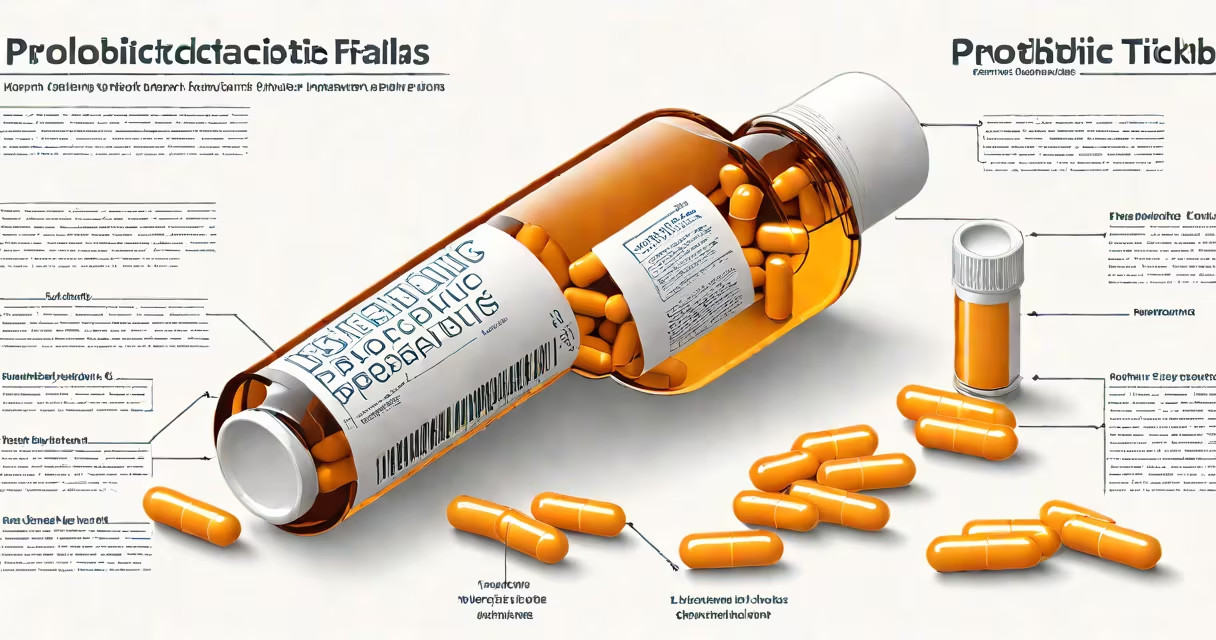
Probiotics containing lactobacillus include supplements with specific strains such as Lactobacillus acidophilus, L. rhamnosus, and L. casei. These bacteria are naturally present in fermented foods and are widely studied for their role in supporting gut health and immune function.
Lactobacillus is a genus of gram-positive, rod-shaped bacteria that reside primarily in the small intestine and vagina. They produce lactic acid through fermentation, which lowers pH and inhibits harmful microbes. This acidification helps maintain a balanced microbiome and supports nutrient absorption.
When selecting a supplement, look for product labels that list specific lactobacillus strains. Not all probiotics contain lactobacillus, and not all lactobacillus strains offer the same benefits. For example, L. acidophilus is well-researched for improving lactose digestion, while L. rhamnosus GG is backed by clinical trials showing reduced duration of diarrhea in children.
Lactobacillus strains adhere to intestinal epithelial cells, forming a protective barrier against pathogens. They compete with harmful bacteria for space and nutrients, reducing colonization of undesirable microbes. Some strains also modulate immune responses by increasing production of anti-inflammatory cytokines.
A 2021 review published in *Frontiers in Microbiology* confirmed that certain lactobacillus species improve gut barrier integrity and reduce intestinal permeability-common issues linked to inflammatory bowel conditions. The study noted that effects are strain-specific, meaning not all lactobacillus supplements deliver the same outcomes.
For example, L. rhamnosus GG demonstrated efficacy in reducing antibiotic-associated diarrhea in multiple randomized controlled trials. A 2018 meta-analysis in *The American Journal of Clinical Nutrition* found a 40% reduction in diarrhea incidence among participants taking this strain during antibiotic treatment.
The following table outlines major lactobacillus strains, their primary research-backed benefits, and typical food or supplement sources.
| Strain | Primary Benefits | Typical Sources |
|---|---|---|
| L. acidophilus | Improves lactose digestion, supports vaginal health | Yogurt, kefir, supplements |
| L. rhamnosus GG | Reduces duration of acute diarrhea, supports immune function | Supplements, fortified dairy |
| L. casei | May improve symptoms of irritable bowel syndrome (IBS) | Yogurt, fermented vegetables, supplements |
| L. plantarum | Supports gut barrier function, reduces inflammation | Fermented vegetables, sauerkraut, supplements |
Not all lactobacillus strains are equally effective. A 2020 study in *Gut Microbes* showed that only 14% of commercially available probiotics contained viable cultures of the strains they claimed to have. This highlights the importance of checking for third-party testing and CFU counts (colony-forming units).
One strain often misattributed is L. bulgaricus. While it's a common yogurt starter, it's not typically included in human probiotic supplements due to poor survival in the gastrointestinal tract. Always verify the strain listed on the label.
Consumers often confuse lactobacillus with other probiotic genera like Bifidobacterium or Saccharomyces boulardii. While all are beneficial, they differ in function and habitat. Lactobacillus thrives in the upper GI tract, whereas Bifidobacterium predominates in the colon.
Another misconception is that all fermented foods contain therapeutic levels of lactobacillus. Raw sauerkraut may contain high CFUs, but pasteurized versions lose most live cultures. A 2019 study in *Food Microbiology* found that 67% of store-bought fermented vegetables had undetectable levels of live lactobacillus due to heat treatment.
Some supplements claim "probiotic" without specifying strains. A product listing only "Lactobacillus spp." lacks specificity. Research shows that strain-level identification is essential for predicting clinical outcomes. Always look for the full scientific name.
Consider a person with frequent bloating and irregular bowel movements. After consulting a gastroenterologist, they're advised to try a probiotic with L. casei Shirota. This strain is clinically shown to improve stool frequency and reduce abdominal discomfort in IBS patients.
They select a supplement with 10 billion CFUs per capsule, containing L. casei Shirota, and take one daily with breakfast. Over four weeks, they report a 60% reduction in bloating and more consistent bowel movements. The product was verified by ConsumerLab, which confirmed label accuracy and viability of cultures.
This outcome reflects a key principle: effectiveness depends on strain, dose, and delivery method. A supplement with L. acidophilus may not help IBS symptoms, even if it's marketed broadly as "gut-friendly."
I once tested a popular probiotic brand claiming to contain five lactobacillus strains. Lab analysis revealed only one viable strain-L. acidophilus-and at less than half the labeled count. The others were dead or degraded. This experience reinforced the need to choose brands with transparent sourcing and independent verification.
When asking "what probiotic has lactobacillus," focus on strain specificity, CFU count, and third-party validation. Products with L. acidophilus, L. rhamnosus GG, or L. casei are supported by clinical evidence for digestive and immune support.
For personalized guidance, consult a healthcare provider familiar with probiotic use. Some individuals with compromised immunity or critical illness should avoid probiotics unless monitored.