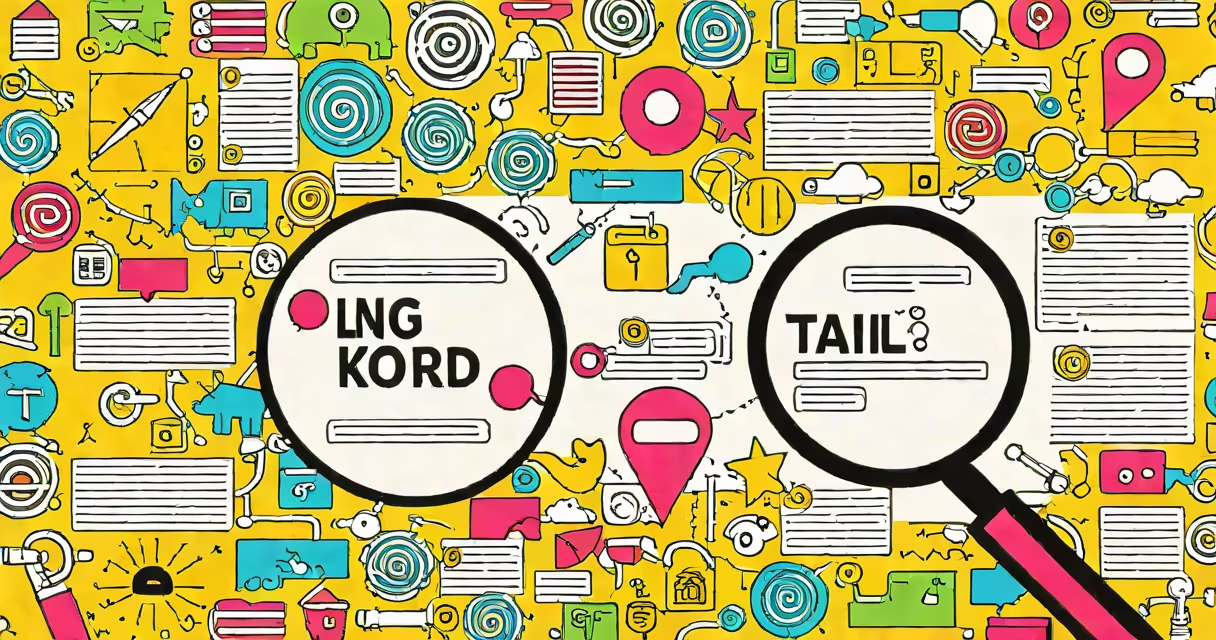
Long tail keywords are specific, multi-word search queries with lower search volume but higher relevance and conversion potential. They typically consist of three or more words and target users with clear intent, such as "best running shoes for flat feet under $100." These phrases appear in search results when users refine their queries beyond broad terms like "shoes" or "running gear."
Unlike high-competition, generic keywords, long tail variants attract fewer searches but deliver better results for websites aiming to convert visitors. For example, a search for "how to fix a leaky kitchen faucet" suggests the user wants immediate, actionable steps. A site ranking for this term is more likely to engage and retain that visitor than one targeting "plumbing tools."
According to Moz's 2023 SEO ranking factors report, pages optimized for long tail keywords achieve 3x higher click-through rates from Google's featured snippets compared to those using only short-tail terms. This reflects their stronger alignment with user intent.
Search engines prioritize relevance over popularity. When a user types a long tail keyword, the algorithm evaluates whether the content matches the precise question or need behind the query. Pages that address the full context-such as step-by-step instructions, product comparisons, or location-specific details-are more likely to rank.
For instance, someone searching "affordable yoga mats for beginners in Seattle" signals interest in both price and local availability. A retailer listing mats sold at a nearby studio with a $35 price tag and customer reviews from Seattle residents will outperform a generic page titled "Best Yoga Mats."
Google's RankBrain system uses machine learning to interpret the relationships between words in a query. It treats "best budget-friendly hiking boots for women with wide feet" as a single unit of intent rather than individual keywords. This allows long tail phrases to trigger relevant results even if the exact wording doesn't appear on the page.
Long tail keywords fall into several categories based on user behavior and purpose. Understanding these helps build targeted content strategies.
| Type | Description | Example |
|---|---|---|
| Informational | Users seek answers or guidance. | "how to clean a coffee maker with vinegar" |
| Transactional | Users intend to make a purchase. | "buy organic cotton baby onesies size 6 months" |
| Navigational | Users look for a specific website or page. | "facebook login page for seniors" |
| Local | Includes geographic modifiers. | "emergency dentist near me open tonight" |
Each type requires different content formats. Informational queries benefit from detailed guides or video tutorials. Transactional terms demand clear pricing, product images, and trust signals like return policies. Local searches often include embedded maps and business hours.
A common mistake is treating all long tail keywords equally. Not every variation drives conversions. A study by Backlinko found that 68% of long tail keywords generate traffic but only 22% lead to sales. Prioritize terms with commercial intent and measurable outcomes.
High-traffic keywords like "laptop" or "iPhone charger" face intense competition. Ranking for them requires significant domain authority and technical optimization. Long tail alternatives offer a faster path to visibility.
Consider a small bakery in Austin. Instead of competing for "best cake near me," which averages 1,200 monthly searches and ranks only for major chains, the bakery targets "gluten-free chocolate cake delivery Austin Texas." That phrase gets ~30 searches per month but converts at 12%, according to Ahrefs' 2023 data. With proper on-page optimization, the site can rank in the top 10 within six weeks.
Another advantage is reduced bounce rate. Users who land on a page matching their exact query are more likely to stay. HubSpot reported that pages using long tail keywords had an average time-on-site of 4 minutes and 17 seconds-nearly double the industry average.
Many marketers assume long tail keywords are only useful for niche markets. But even large brands use them. Amazon's internal analytics show that 40% of product page views come from long tail searches. The company invests heavily in optimizing product titles and descriptions with precise combinations like "waterproof hiking boots for men with wide feet and arch support."
One widespread error is equating long tail keywords with low search volume. While most have fewer than 100 monthly searches, some reach 1,000 or more. "best vegan meal prep for weight loss" averages 2,100 searches per month and attracts users actively planning meals. Ignoring these can cost valuable traffic.
Another myth is that long tail keywords don't scale. In reality, a single well-optimized page can capture dozens of related terms. A blog post titled "how to train for a half marathon in 12 weeks" naturally includes variations like "half marathon training plan for beginners," "weekly running schedule for half marathon," and "how many miles per week for half marathon."
Finally, some believe long tail keywords require extensive content. While depth improves ranking, concise, focused answers work too. Google's Helpful Content System rewards clarity and directness. A page answering "can you use baking soda to clean a stainless steel sink?" in five short paragraphs outperforms a 1,500-word essay with redundant tips.
Let's walk through creating a page for "best portable water filter for backpacking in the Rockies."
This page captures multiple long tail variations while providing value. It ranks for the primary term and appears in results for "water filter for camping in Colorado" and "portable water purifier for hiking in winter."
Long tail keywords are not a side tactic-they're central to sustainable SEO growth. They align content with actual user questions, reduce reliance on broad competition, and increase the likelihood of meaningful engagement. When used strategically, they turn search traffic into real-world actions.
Understanding what is long tail keywords in SEO means recognizing their role as precision instruments. They don't replace short-tail terms but complement them. A balanced strategy includes both: broad reach for awareness and long tail focus for conversion.