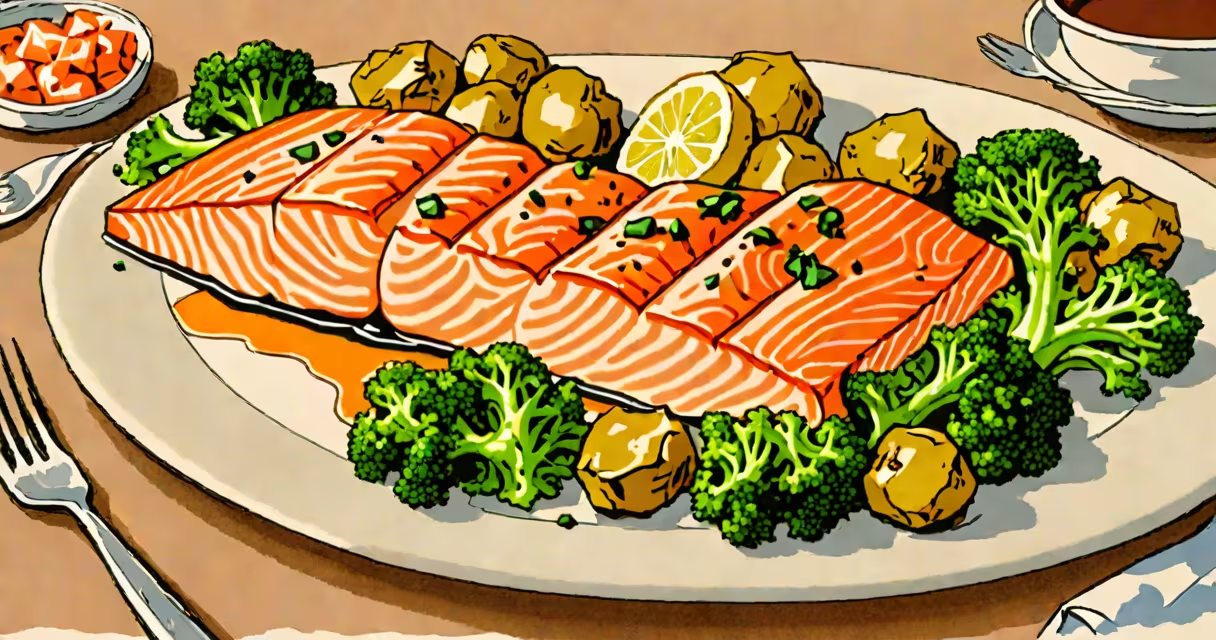
During Lent, Roman Catholic Christians abstain from eating meat on Fridays and fast on Ash Wednesday and Good Friday, following guidelines set by the United States Conference of Catholic Bishops (USCCB) and the Vatican. This period of spiritual reflection emphasizes simplicity, penance, and moderation in food choices.
Lent runs for 40 days, excluding Sundays, beginning on Ash Wednesday and ending on Holy Saturday. While the Church does not mandate a strict diet, it requires abstinence from meat-defined as the flesh of mammals and birds-from all Catholics aged 14 and older on Fridays during Lent. Fish and seafood are permitted and often form the centerpiece of Lenten meals.
The USCCB notes that "abstaining from meat is a way of expressing sorrow for sin and solidarity with Christ's sacrifice." This practice dates back centuries and remains central to Catholic observance. For example, many parishes host fish fries on Fridays during Lent, drawing large crowds seeking both spiritual and communal connection through shared meals.
Meat in the Lenten context refers to the flesh of warm-blooded animals, including beef, pork, chicken, and turkey. This includes processed meats like sausages and deli slices. However, fish and shellfish-such as salmon, cod, shrimp, and lobster-are explicitly allowed and encouraged.
Some may wonder whether eggs, dairy, or gelatin count as meat. They do not. The Church distinguishes between animal flesh and other animal products. For example, a cheese omelet or a milk-based custard is acceptable on a Lenten Friday. Similarly, fish-based dishes like fish tacos or baked trout with herbs are common choices.
A common misconception is that all animal products are off-limits. This is incorrect. The restriction applies only to meat from land animals. A 2022 report from the Vatican's Dicastery for Divine Worship and the Discipline of the Sacraments clarified that "the law of abstinence concerns only flesh from land animals, not fish or other aquatic species."
Traditional Lenten meals center around fish, legumes, vegetables, grains, and eggs. These ingredients reflect both religious tradition and practical availability. For example, a typical Friday dinner might include:
These meals align with the Church's call for simplicity and modesty. The use of seasonal produce reinforces the idea of living in tune with nature and avoiding excess.
One well-known example is the Italian dish *baccalà*-salted cod prepared with tomatoes, capers, and olives. It's served in many Catholic homes during Lent and highlights how regional traditions shape Lenten eating habits. In Latin America, *moqueca de peixe*-a fish stew from Bahia-is a staple in coastal communities during the season.
Abstinence from meat applies to all Catholics aged 14 and older on Fridays during Lent. Fasting-limiting oneself to one full meal and two smaller meals-is required on Ash Wednesday and Good Friday for those aged 18 to 59, unless exempt due to health reasons.
Exemptions exist for pregnant women, the elderly, those with chronic illness, and people with medical conditions such as diabetes. The USCCB states that "individuals who are ill or whose health would be endangered by fasting are not obligated to fast."
I once attended a parish dinner during Lent where a woman with gestational diabetes asked the priest if she could eat meat. He confirmed she was exempt under canon law. She chose a lentil soup with whole-grain bread instead-a nutritious, compliant option that honored both her health and the spirit of the season.
Lent is often mistaken for a universal Christian rule, but it applies only to Roman Catholics and some Eastern Orthodox traditions. Protestant denominations do not observe the same fasting and abstinence rules. Some may fast voluntarily, but it is not a formal requirement.
Another confusion arises around "no meat" versus "no animal products." Some assume that dairy and eggs are banned, but they are not. A dish like a spinach and feta quiche is entirely appropriate for Lent. The restriction is strictly on mammalian and avian flesh.
Lent does not prohibit sweets or desserts. Many families enjoy Lenten treats like hot cross buns, which are traditionally eaten on Good Friday. These are made with flour, yeast, raisins, and spices-none of which violate the rules.
Understanding the differences between Lent, Ramadan, and other religious fasting periods prevents misunderstandings. Here's how they compare:
| Observance | Food Restrictions | Duration | Primary Religious Group |
|---|---|---|---|
| Lent | Meat on Fridays; fasting on Ash Wed & Good Fri | 40 days (excluding Sundays) | Roman Catholic, some Orthodox |
| Ramadan | No food or drink from dawn to sunset | 30 days (lunar month) | Islam |
| Pregnancy Nausea | None-focus is on managing symptoms | Varies (often first trimester) | General population |
While Ramadan involves complete daytime fasting, Lent focuses on specific food restrictions rather than total abstinence. The goals differ too: Lent emphasizes repentance and renewal; Ramadan centers on devotion and discipline.
Start by planning weekly menus around fish, legumes, and vegetables. Keep canned tuna, frozen fish fillets, and dried beans on hand for quick meals. Use plant-based oils and vinegars to add flavor without violating rules.
For example, a simple Lenten meal plan for one week might look like this:
This approach maintains variety while staying within the guidelines. It also allows flexibility for personal taste and cultural background.
What food you can eat during Lent depends on your tradition, health, and personal choice. The core principle remains: to live simply, reflect deeply, and grow spiritually through intentional choices-whether that means skipping steak or savoring a bowl of lentil stew on a quiet Friday night.