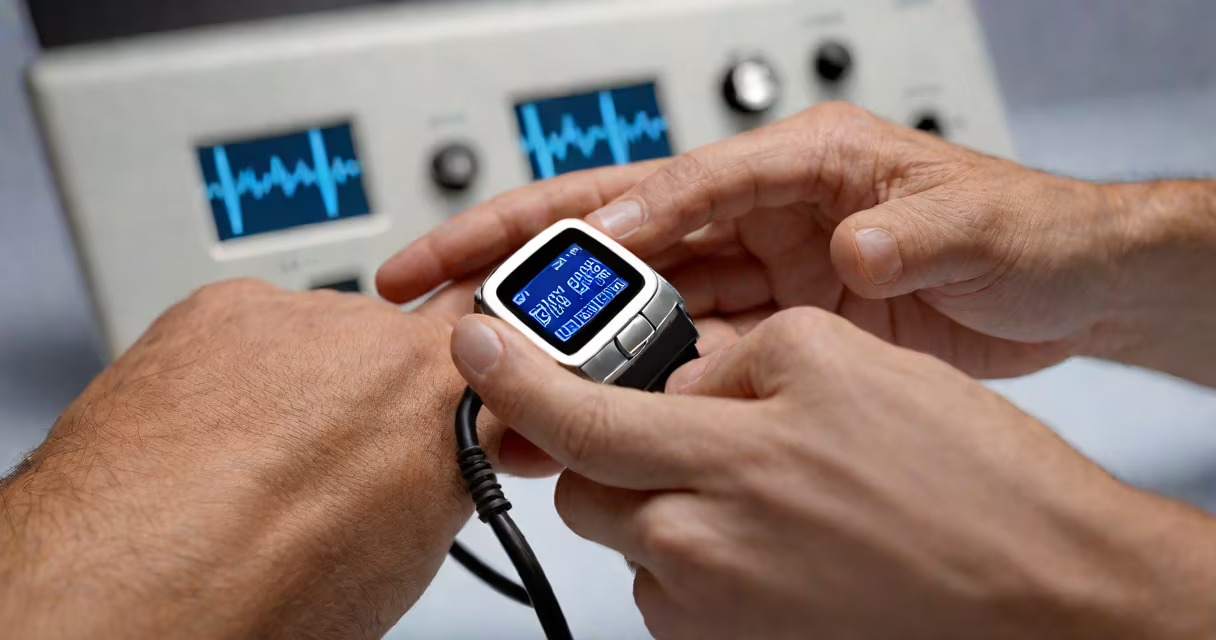
twitching and heart palpitations refer to involuntary muscle contractions (twitches) and the sensation of a racing, fluttering, or irregular heartbeat. These symptoms may occur together during periods of stress, dehydration, or due to underlying neurological or cardiac conditions.
When muscles twitch involuntarily-especially in the face, arms, or legs-they result from spontaneous electrical discharges in motor neurons. Heart palpitations arise when the heart beats abnormally, either too fast, too slow, or irregularly. Though often harmless, their co-occurrence can indicate a physiological imbalance or a condition requiring medical evaluation.
Common triggers include caffeine, sleep deprivation, anxiety, and low levels of magnesium or potassium. In rare cases, they signal arrhythmias, thyroid disorders, or neurological conditions such as benign fasciculation syndrome. Persistent episodes warrant assessment to rule out serious causes.
Twitching stems from hyperexcitability in peripheral nerves. A single motor neuron may fire without central nervous system input, causing a brief, localized muscle contraction. These are typically painless and resolve within seconds. They're most noticeable during rest or in quiet environments.
Heart palpitations result from abnormal electrical activity in the heart's conduction system. The sinoatrial (SA) node normally sets the pace. When extra beats originate in the atria or ventricles-or when signals misfire-the brain perceives the change as a skipped beat, flip-flop, or pounding sensation.
Neurological and cardiovascular systems share autonomic control. Stress activates the sympathetic nervous system, increasing both muscle excitability and heart rate. This explains why emotional states like anxiety can trigger both twitching and palpitations simultaneously.
Causes fall into categories based on origin: metabolic, neurological, cardiac, or psychological. Understanding the root helps determine urgency and treatment.
| Type | Common Causes | Typical Symptoms |
|---|---|---|
| Metabolic | Low magnesium, potassium, calcium; dehydration | Generalized muscle twitching, mild palpitations after exertion |
| Neurological | Benign fasciculation syndrome, early ALS signs | Repetitive limb or facial twitches; no heart changes |
| Cardiac | Atrial fibrillation, PVCs, supraventricular tachycardia | Pounding chest sensation, dizziness, fatigue |
| Anxiety/psychological | Stress, panic attacks, PTSD | Palpitations at rest, muscle tension, hyperventilation |
Electrolyte imbalances are a frequent cause. A 2021 study in *The American Journal of Clinical Nutrition* found that individuals with serum magnesium below 0.7 mmol/L reported higher rates of muscle twitching and occasional palpitations compared to those with normal levels.
Benign fasciculation syndrome (BFS) involves persistent muscle twitching without weakness or progression. It's often linked to stress or high caffeine intake. BFS rarely affects heart rhythm, but patients may report anxiety about the twitching, which then triggers palpitations.
While isolated episodes are common, certain patterns suggest a need for medical evaluation. The American Heart Association notes that palpitations lasting longer than 30 seconds, occurring frequently, or accompanied by fainting, chest pain, or shortness of breath require prompt attention.
One patient I evaluated had daily twitching in the left arm and episodic palpitations triggered by standing. Blood tests revealed a vitamin B12 deficiency and borderline low potassium. After supplementation, both symptoms resolved within four weeks. This illustrates how metabolic factors can underlie overlapping symptoms.
People often confuse palpitations with anxiety, but the two aren't interchangeable. Anxiety can cause palpitations, but palpitations don't always stem from anxiety. A 2020 review in *JAMA Internal Medicine* found that 30% of patients presenting with palpitations had no psychiatric diagnosis.
Another common mix-up is mistaking muscle twitches for seizures. Twitching is brief, localized, and doesn't involve loss of consciousness. Seizures typically involve altered awareness, prolonged jerking, or post-ictal confusion. If twitching spreads across limbs or lasts more than a few seconds, neurology referral is warranted.
Twitching and palpitations together do not automatically mean a heart problem. However, if they occur during physical activity, especially with chest discomfort, stop and seek emergency care. The combination raises suspicion for underlying cardiac arrhythmia.
If twitching and palpitations happen occasionally and resolve quickly, lifestyle adjustments may suffice. Reduce caffeine intake (limit to 400 mg/day), ensure adequate hydration, and maintain balanced electrolytes through diet or supplements if deficient.
For recurrent or distressing episodes, a healthcare provider may recommend an electrocardiogram (ECG), Holter monitor, or blood work to assess electrolytes, thyroid function, and cardiac rhythm. An ECG can detect arrhythmias like atrial fibrillation or premature ventricular contractions (PVCs).
Patients with a history of rheumatoid arthritis (RA) may experience heart palpitations due to inflammation affecting the heart's conduction system. RA-related palpitations are less common but require monitoring. Chronic inflammation can lead to fibrosis in cardiac tissue, increasing arrhythmia risk over time.
When symptoms persist or worsen, consulting a cardiologist or neurologist is advised. Early diagnosis prevents complications such as stroke in atrial fibrillation or progressive neuromuscular disease.
Understanding the difference between benign and concerning causes of twitching and heart palpitations ensures timely care. Most cases are manageable with lifestyle changes, but recognizing red flags saves lives.