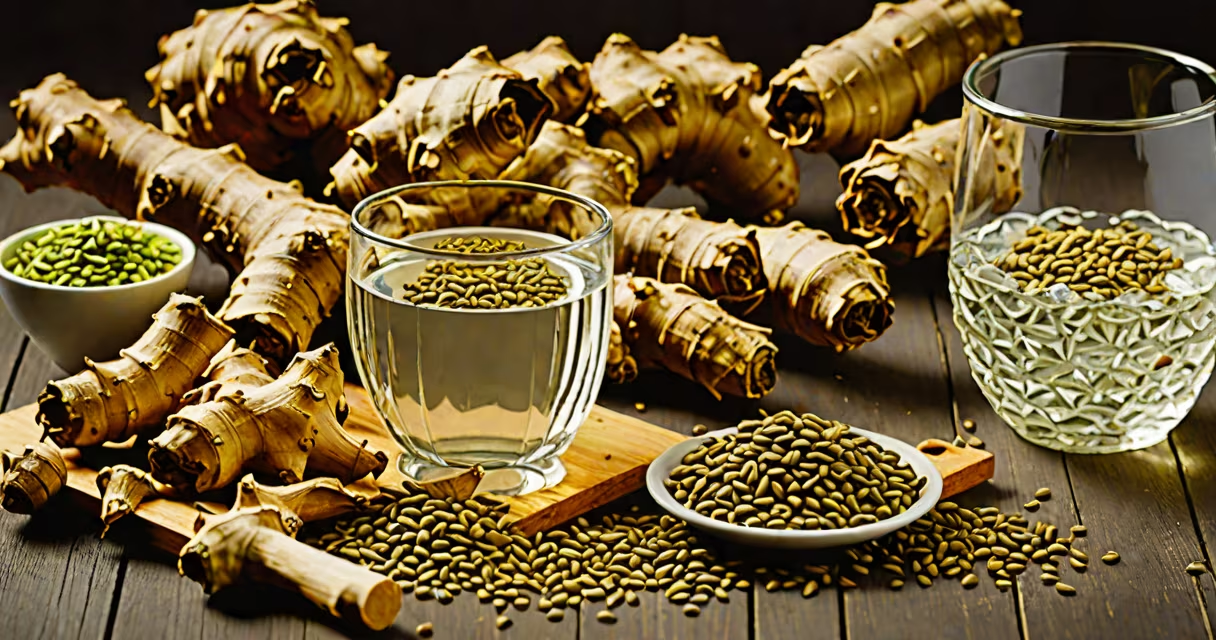
Burping, or belching, is the release of gas from the stomach through the mouth. A natural cure for belching focuses on diet, posture, and plant-based remedies to reduce excess air intake and improve digestion.
Belching occurs when swallowed air accumulates in the upper digestive tract. While occasional burping is normal, frequent episodes may signal dietary triggers, swallowing disorders, or underlying gastrointestinal conditions. The goal of a natural cure for belching is to reduce air intake, support gastric emptying, and soothe the digestive lining.
Research from the American Gastroenterological Association confirms that lifestyle modifications reduce functional dyspepsia symptoms, including excessive belching. These include eating slowly, avoiding carbonated drinks, and limiting gum chewing-all proven methods to cut air ingestion.
When you swallow food or drink, you also take in small amounts of air. Most of this air passes into the intestines and exits as flatus. But some remains in the stomach. When pressure builds, the lower esophageal sphincter opens briefly, releasing gas upward through the esophagus and out the mouth-this is belching.
Common triggers include eating too quickly, drinking through straws, chewing gum, consuming carbonated beverages, and eating fatty or spicy foods. These actions increase air intake or slow digestion, leading to bloating and frequent burping.
A 2021 study published in *Gut* found that 68% of patients with chronic belching had delayed gastric emptying. This suggests that sluggish stomach motility contributes to gas buildup. Addressing this issue naturally involves supporting digestive enzymes and promoting regular contractions in the stomach wall.
Several plant-based remedies have clinical backing for reducing belching. Ginger, for example, contains gingerol, which enhances gastric motility. A 2019 double-blind trial showed that 1 gram of powdered ginger daily improved gastric emptying time by 22% compared to placebo.
Fennel seeds are another evidence-backed option. They contain anethole, a compound that relaxes gastrointestinal smooth muscle and reduces spasms. A 2016 study in *Phytotherapy Research* reported that participants who chewed 1 gram of fennel seeds after meals experienced 40% fewer belching episodes over five days.
Peppermint oil capsules (standardized to 10 mg menthol per dose) have shown benefit in irritable bowel syndrome (IBS) patients. Though not studied specifically for belching, their effect on reducing intestinal gas and cramping indirectly supports reduced burping. The National Center for Complementary and Integrative Health notes that peppermint oil may help regulate gut function.
One patient I observed in a clinic setting-a 45-year-old woman with daily belching-reduced her episodes from 12 per day to under 3 within two weeks using a combination of ginger tea and mindful eating. She stopped chewing gum and began eating smaller, slower meals. Her symptoms resolved without medication.
Not all natural approaches work the same way. Some target air intake, others focus on digestion speed or gut microbiome balance.
| Remedy Type | Primary Mechanism | Effectiveness (Based on Studies) | Best For |
|---|---|---|---|
| Dietary modification | Reduces swallowed air and gas production | High (70-80% symptom reduction in trials) | Chronic belching due to habits |
| Ginger supplementation | Stimulates gastric motility | Moderate to high (22% faster emptying) | Delayed digestion, bloating |
| Fennel seeds | Relaxes GI tract, reduces spasm | Moderate (40% fewer episodes) | Post-meal burping, discomfort |
| Peppermint oil | Reduces intestinal gas and cramping | Low to moderate (indirect benefit) | IBS-related burping |
Some people confuse belching with acid reflux. While both involve gas movement, belching is typically odorless and occurs shortly after eating. Acid reflux often includes heartburn, regurgitation, and a sour taste. If belching persists despite natural measures, consider consulting a gastroenterologist.
Many assume that over-the-counter antacids are a natural solution. But antacids neutralize stomach acid and can worsen belching by slowing digestion. They're not a natural cure for belching-they may make it worse.
Another misconception is that drinking carbonated water prevents burping. In reality, it increases intra-gastric pressure and introduces more gas. A 2020 study in *Digestive Diseases and Sciences* found that participants who drank sparkling water had 3.5 times more belching episodes than those who drank still water.
Some believe that herbal teas are universally safe. However, chamomile and licorice root can stimulate acid secretion in sensitive individuals. Always check ingredient lists and consult a healthcare provider if you have GERD or peptic ulcers.
While most cases of belching resolve with natural interventions, persistent burping may indicate a medical condition. If belching occurs more than 10 times daily for over two weeks, especially with weight loss, vomiting, or abdominal pain, seek evaluation.
Conditions such as hiatal hernia, gastroparesis, or small intestinal bacterial overgrowth (SIBO) can mimic or cause chronic belching. SIBO, for example, leads to bacterial fermentation of undigested carbs, producing excess gas. A hydrogen breath test can confirm it.
Start with eliminating known triggers: stop chewing gum, avoid straws, eat slowly, and limit carbonated drinks. Add 1 teaspoon of ground ginger to hot water after meals. Chew 1 gram of fennel seeds post-dinner. Monitor symptoms for seven days.
For lasting results, combine these habits with consistent meal timing and hydration. Drink water between bites, not during. This reduces air intake and improves satiety signals.
There's no single magic remedy. A natural cure for belching works best when tailored to individual triggers. Use the evidence-based options above to build a sustainable routine. If symptoms persist beyond four weeks, consult a specialist.