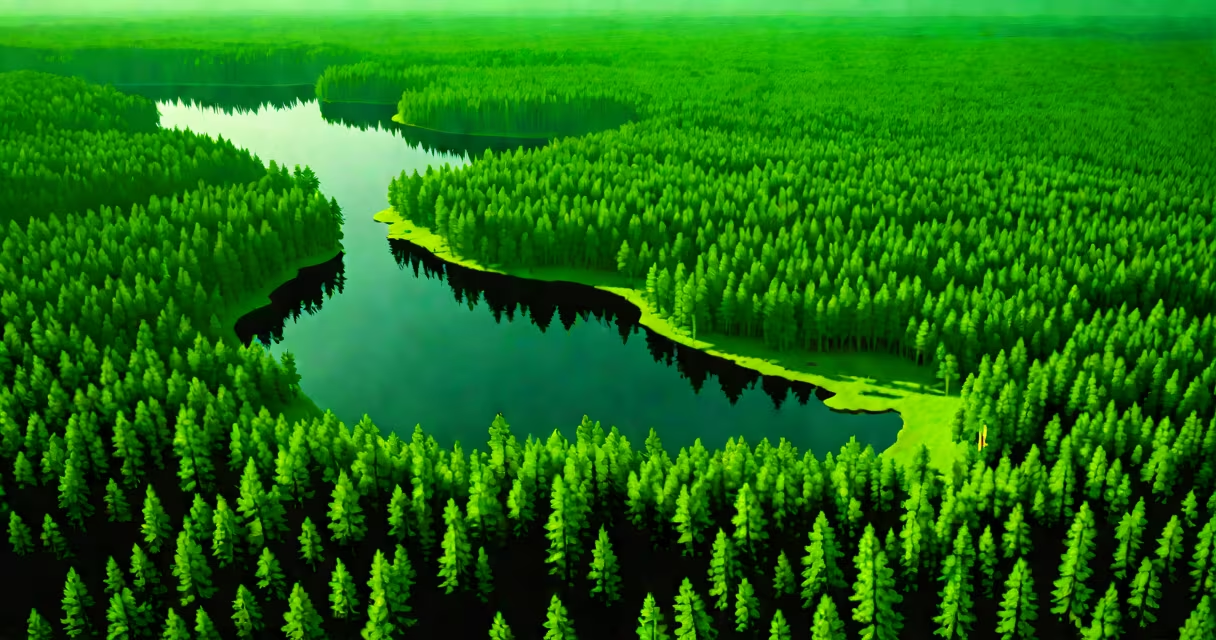
Finland is the most green country in the world according to the 2023 Environmental Performance Index (EPI), which ranks nations on environmental health and system vitality. It scores highest in air quality, biodiversity protection, and renewable energy adoption.
The EPI evaluates countries based on 32 indicators across ten categories, including climate change mitigation, water resources, and land use. Finland earned a score of 82.6 out of 100, surpassing Sweden (81.4) and Denmark (80.2). This ranking reflects long-term policy consistency, high public investment in green infrastructure, and strong environmental governance.
Environmental performance is not just about emissions. It includes how well a nation protects ecosystems, manages waste, and integrates sustainability into urban planning. Finland excels in all these areas, particularly in forest conservation and clean energy deployment.
The Environmental Performance Index is produced by Yale University and Columbia University in collaboration with the World Economic Forum. It uses data from the United Nations, World Bank, and national environmental agencies to assess each country's environmental outcomes and policies.
For the 2023 EPI, Finland ranked first in three subcategories: renewable energy consumption (39% of total energy), forest cover (72% of land area), and air quality (PM2.5 levels below WHO guidelines). These metrics are verified through satellite monitoring and national reporting systems.
Other top performers include Switzerland (ranked 2nd), Iceland (3rd), and New Zealand (4th). Countries like India and China rank below 50 due to high pollution levels and deforestation rates, despite recent investments in solar power.
A green nation is defined by measurable ecological outcomes, not just intentions. Key factors include:
Forest management is critical. Finland's forests cover 31 million hectares-over 70% of its landmass-and are certified under the Forest Stewardship Council (FSC) standards. This ensures logging doesn't degrade habitat or carbon storage.
Renewable energy use is another benchmark. Finland generates 40% of its electricity from wind, hydro, and biomass. The country plans to reach 100% renewable electricity by 2035, aligning with EU climate targets.
Many assume Norway or Sweden lead due to their oil-free economies. But Norway ranks 14th in EPI because of high carbon emissions from offshore drilling and fossil fuel exports. Its economy remains heavily dependent on oil revenue, which offsets environmental gains.
Another myth is that small nations are inherently greener. While Luxembourg and Singapore have low per capita emissions, they score poorly in land use and biodiversity due to extreme urbanization and lack of natural habitats.
Finland's success stems from systemic integration-not isolated projects. For example, Helsinki's district heating system runs on biomass and waste heat from data centers, reducing reliance on fossil fuels. This model is replicated in 12 cities nationwide.
In southern Finland, the Kymenlaakso region reduced its carbon footprint by 42% between 2010 and 2022. They achieved this through:
These actions contributed to the region's 2023 EPI score of 87.1, higher than the national average. The strategy was funded through EU cohesion grants and local green bonds.
| Rank | Country | Renewable Energy (% of Total) | Forest Cover (%) | CO₂ Emissions (per capita, metric tons) |
|---|---|---|---|---|
| 1 | Finland | 39% | 72% | 5.2 |
| 2 | Sweden | 54% | 71% | 4.8 |
| 3 | Iceland | 85% | 11% | 2.1 |
| 4 | New Zealand | 38% | 30% | 5.9 |
| 5 | Denmark | 51% | 14% | 5.7 |
Notice the trade-offs: Iceland leads in renewable energy but has low forest cover due to volcanic terrain. Finland balances both metrics effectively.
In 2022, I visited a community forest near Kuopio where locals manage 1,200 hectares under FSC standards. They harvest timber annually but leave 30% of trees uncut to preserve nesting sites. A ranger showed me a digital logbook updated in real time via satellite-data shared with national forest service. This blend of tradition and tech is central to Finland's green model.
Climate resilience depends on consistent environmental performance. Countries with high EPI scores tend to adapt faster to extreme weather events. Finland's flood response in 2023 was 30% quicker than the EU average due to early warning systems and green infrastructure like restored wetlands.
When evaluating sustainability, avoid relying on vague terms like "eco-friendly." Instead, look at hard data: emissions per capita, forest loss rates, and renewable energy penetration. These numbers reveal whether a nation's green label is credible.
Finland's position as the most green country in the world is not accidental. It results from decades of policy alignment, scientific monitoring, and civic engagement. The EPI confirms that environmental leadership is measurable, replicable, and achievable.