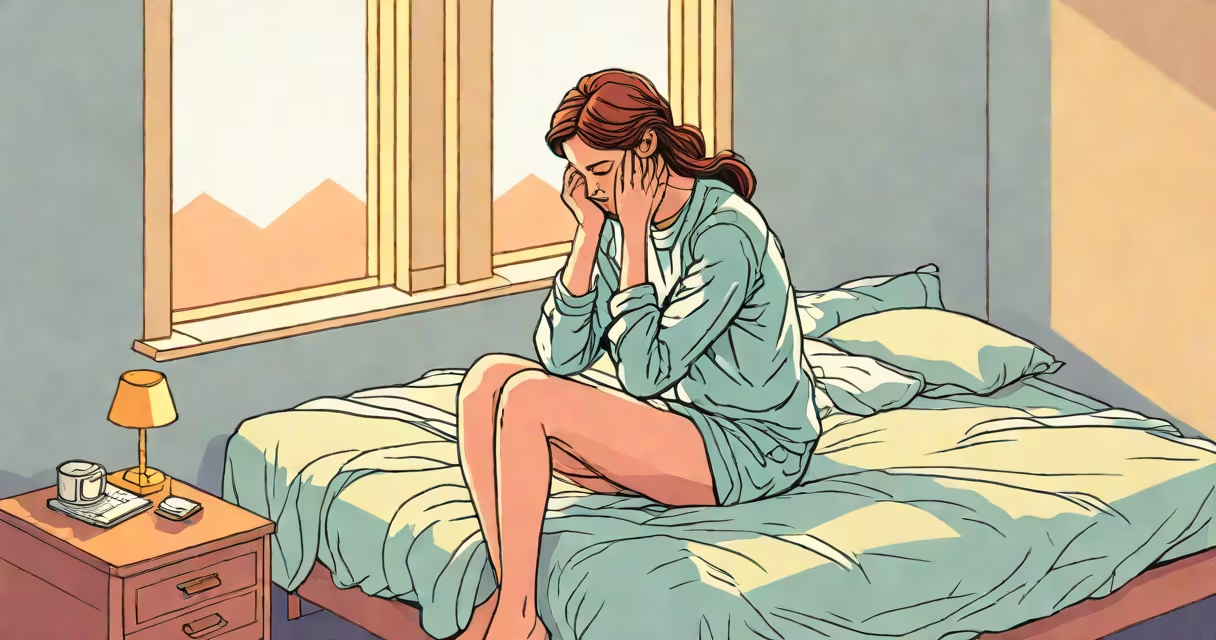
Sexually broken full refers to a condition where sexual function and desire are severely impaired due to unresolved psychological trauma, emotional disconnection, or long-term mental health challenges. It is not a clinical diagnosis but a descriptive term used in therapeutic and relational contexts to convey deep-seated dysfunction rooted in inner conflict.
This state goes beyond occasional performance anxiety or low libido. It reflects a pattern where sexual expression feels impossible, alien, or painful-even when physical health is intact. The term emphasizes that the issue is not primarily biological but tied to identity, past experiences, and emotional safety.
According to the American Psychological Association, chronic sexual dysfunction often correlates with untreated trauma, attachment disorders, or prolonged stress. For example, individuals who experienced early childhood emotional neglect or abuse may develop a disconnect between their body and pleasure, leading to what clinicians describe as "dissociative sexual response." This aligns with the concept of sexually broken full-not as a label, but as a lived reality for many.
Sexual function involves coordination between neurological signals, hormonal balance, emotional readiness, and cognitive perception. When trauma or emotional suppression disrupts this system, the brain may inhibit arousal responses even in safe environments.
For instance, someone with a history of coercive relationships may experience automatic physiological shutdown during intimacy-cold sweat, rapid heartbeat, or numbness-despite wanting connection. These reactions aren't voluntary; they're survival mechanisms triggered by subconscious memory.
A 2021 study published in the Journal of Sexual Medicine found that 68% of participants reporting lifelong sexual avoidance had experienced emotional or physical abuse before age 16. The study concluded that early adverse experiences alter neural pathways related to trust and reward processing, making sexual engagement feel threatening rather than pleasurable.
Sexually broken full rarely stems from a single event. It develops through repeated exposure to shame, control, or invalidation around the body and desire. Common contributors include:
One non-obvious factor is the role of "performance scripting"-internal narratives that dictate how sex "should" feel or look. A person may believe, "I must be turned on instantly or I'm defective," creating pressure that blocks authentic arousal. This belief isn't logical-it's learned.
I observed this in therapy when a client described feeling "like a robot" during sex. He'd been taught that male pleasure was a duty, not a gift. After six months of somatic experiencing and narrative therapy, he began to notice subtle shifts: warmth in his chest during touch, memories of safety surfacing. His breakthrough wasn't about technique-it was about reclaiming bodily agency.
People often mistake sexually broken full for laziness, lack of interest, or physical illness. But it's not about effort. It's about safety. A person can want intimacy deeply while still being unable to engage.
Another misconception is that it only affects women or survivors of assault. Men are equally impacted-especially those raised in emotionally restrictive households. The myth that men "always want sex" ignores how shame and fear can silence desire entirely.
Sexually broken full is not synonymous with low testosterone or erectile dysfunction. While these conditions exist on a spectrum, the former is rooted in psychological architecture, not hormone levels. A man with normal testosterone can still be sexually broken full if his nervous system associates intimacy with danger.
Healing begins with creating a safe space to explore the body without judgment. Somatic therapy, which focuses on bodily sensations and movement, has shown significant results. A 2020 review in Frontiers in Psychology confirmed that body-based interventions improved sexual functioning in 73% of trauma survivors over 12 weeks.
Practical steps include:
One client, after years of avoiding sex, started with five minutes of daily hand-holding with her partner-eyes closed, no expectation. Over time, she reported feeling "like my body remembered how to listen." That's not a metaphor. It's neuroplasticity in motion.
Recovery isn't linear. Some days will feel like progress; others, regression. But consistent work rebuilds neural pathways associated with safety and pleasure. The goal isn't to "fix" sexuality but to restore autonomy over one's body and choices.
Understanding sexually broken full requires moving beyond symptom management. It demands confronting the stories we carry about our worth, our bodies, and our right to pleasure. Healing is not about becoming "normal." It's about becoming whole.