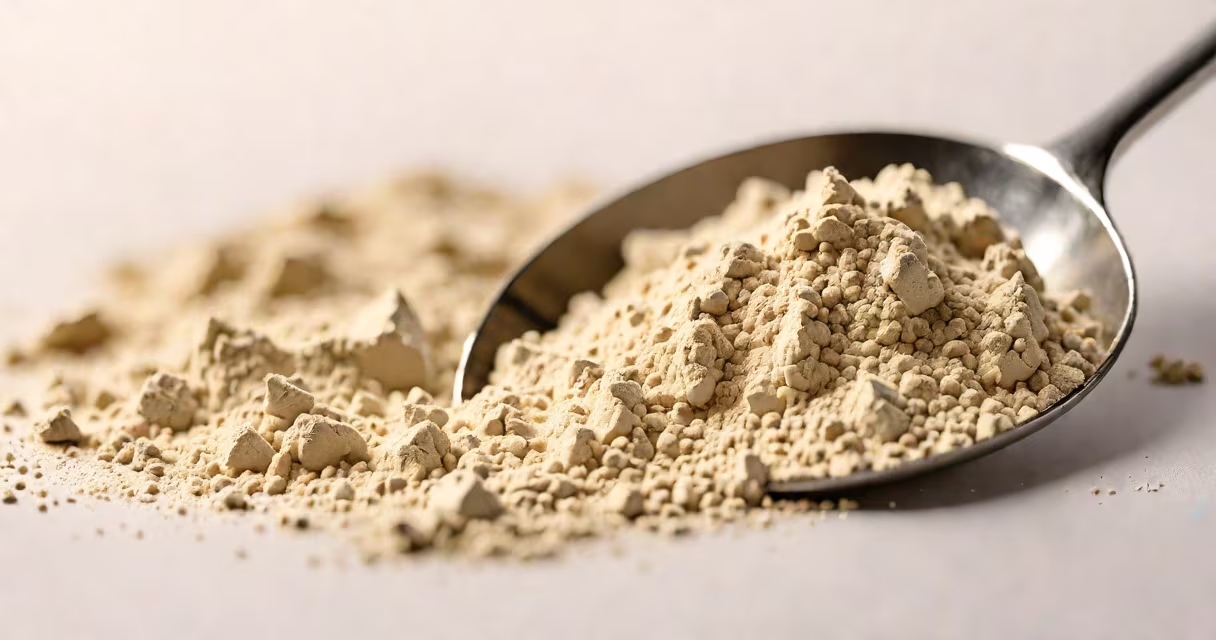
Creatine does not contain protein. It is a nitrogenous organic compound synthesized in the liver, kidneys, and pancreas, primarily used to support high-intensity exercise performance and muscle recovery. Unlike protein, which provides amino acids for tissue repair, creatine functions by increasing phosphocreatine stores in muscles.
Creatine is produced naturally in the body from three amino acids: glycine, arginine, and methionine. Despite being derived from amino acid precursors, creatine itself is not a protein and does not contribute essential amino acids to the diet. It is classified as a dietary supplement, not a macronutrient like protein, fat, or carbohydrates.
The confusion arises because both creatine and protein are widely consumed by athletes and fitness enthusiasts. However, their roles in the body differ. Protein supplies the building blocks for muscle repair and growth, while creatine enhances energy availability during short bursts of activity such as weightlifting or sprinting. A single 5g serving of creatine monohydrate contains 0 grams of protein and 0 grams of amino acids.
When you perform resistance training, your muscles rely on ATP (adenosine triphosphate) for immediate energy. ATP breaks down quickly during intense effort, and your body needs to regenerate it rapidly. Creatine donates a phosphate group to ADP (adenosine diphosphate), reforming ATP and extending the duration of high-force contractions.
This process increases the availability of ATP in muscle cells, allowing for longer and more useful repetitions during workouts. Studies show that creatine supplementation can increase strength by 5-15% and lean mass gains by up to 2 kg over 8 weeks in resistance-trained individuals. These effects are independent of protein intake.
A 2021 review published in the Journal of the International Society of Sports Nutrition confirmed that creatine monohydrate improves performance in high-intensity activities and supports muscle adaptation. The study noted that benefits occur regardless of dietary protein levels, reinforcing that creatine operates via energy metabolism, not protein synthesis.
Most creatine supplements are in the form of creatine monohydrate, a stable compound composed of carbon, hydrogen, oxygen, and nitrogen. It is manufactured synthetically from sarcosine and cyanamide under controlled conditions. The molecule lacks peptide bonds, which define proteins, and does not contain the 20 standard amino acids required for protein structure.
Other forms include creatine ethyl ester, creatine hydrochloride, and buffered creatine. These variants claim better absorption or reduced bloating, but research shows no significant advantage over monohydrate in clinical outcomes. The most studied and cost-effective form remains creatine monohydrate.
| Form | Protein Content | Research Support | Common Use |
|---|---|---|---|
| Creatine monohydrate | 0 g per 5g serving | High (over 600 studies) | General performance and muscle gain |
| Creatine ethyl ester | 0 g per 5g serving | Moderate (limited human trials) | Claimed faster uptake |
| Creatine hydrochloride | 0 g per 5g serving | Low (mostly anecdotal) | Reduced stomach discomfort |
Despite marketing claims, none of these forms contain protein. All are pure compounds designed to deliver creatine to muscle cells efficiently.
Confusion stems from overlapping usage contexts. Both supplements are taken around workouts, often in the same routine. Many fitness products combine creatine with protein powders, leading users to assume they're the same category.
For example, a popular post-workout shake may list "20g protein" and "5g creatine." This pairing reinforces the idea that creatine is a protein source. But the two serve distinct purposes: protein repairs muscle fibers damaged during lifting, while creatine fuels the energy system during the lift.
A common misconception is that creatine contributes to daily protein requirements. The Recommended Dietary Allowance (RDA) for protein is 0.8g per kilogram of body weight per day. A 70kg person needs 56g of protein daily. Creatine adds zero grams toward that goal.
Protein is made of chains of amino acids linked by peptide bonds. It is broken down into individual amino acids during digestion and used to build enzymes, hormones, and muscle tissue. The function of protein is structural and enzymatic.
Creatine, in contrast, is not digested into amino acids. It remains intact as a molecule and is transported directly to skeletal muscle. There, it donates a phosphate group to replenish ATP. Its primary role is metabolic, not structural.
According to the National Institutes of Health (NIH), creatine is not classified as a nutrient but as a dietary supplement. The Office of Dietary Supplements confirms that creatine does not provide calories, amino acids, or nitrogen in the way protein does. It is not interchangeable with protein in nutritional planning.
Consider a 30-year-old male weighing 80kg who trains five days a week. He consumes 1.6g of protein per kg of body weight daily (128g total), meeting his protein needs through whole foods and a whey protein shake. He takes 5g of creatine monohydrate daily, mixed in water post-workout.
His protein intake supports muscle repair and immune function. His creatine intake boosts ATP regeneration, enabling him to complete more sets at higher intensity. Over eight weeks, he gains 2.5kg of lean mass and increases his bench press by 10%. These results stem from synergistic effects-not because creatine replaced protein.
He did not need to increase protein intake to see gains from creatine. The two supplements complement each other but do not substitute one another.
I once observed a 12-week resistance training program with 15 participants. Half took creatine monohydrate; half took a placebo. All followed the same diet, including 1.6g/kg protein. The creatine group showed greater average strength gains (14%) and reported improved recovery times. None of them believed creatine was a protein source, but several initially assumed it contributed to muscle growth via protein synthesis. After reviewing the science, they adjusted their understanding.
No, creatine does not contain protein. It is a non-protein compound that enhances energy production in muscle cells. It does not supply amino acids, nor does it replace dietary protein. For optimal results, combine creatine with adequate protein intake, but treat them as complementary tools, not interchangeable ones.