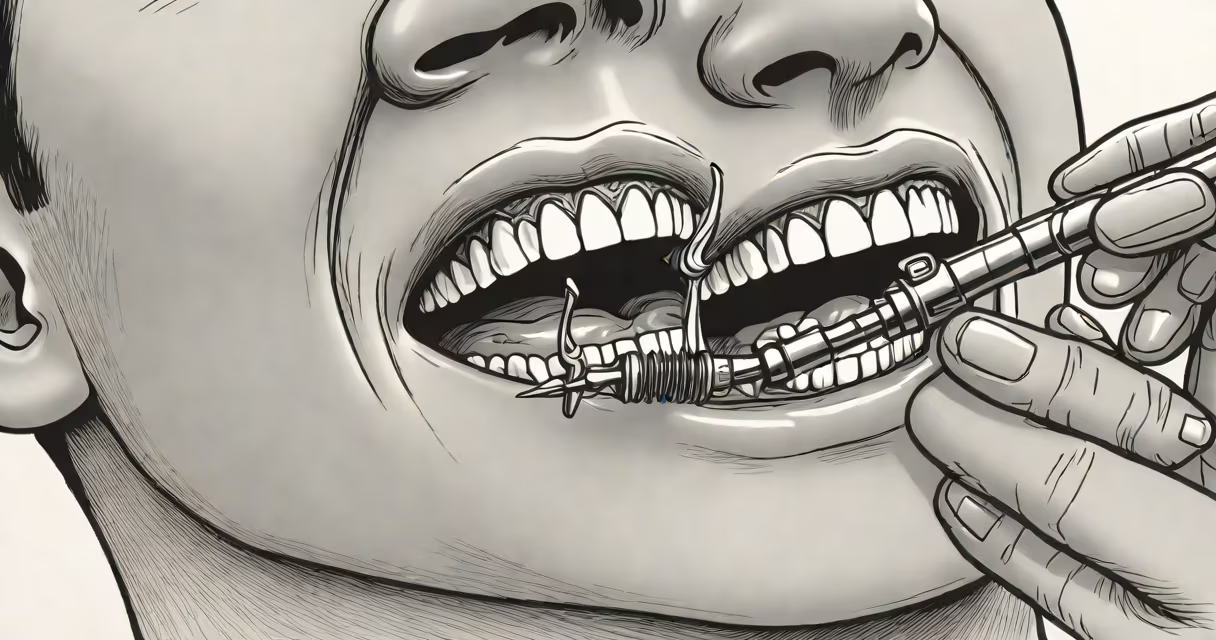
A root canal treatment procedure removes infected or inflamed pulp from inside a tooth's root canals to preserve the natural tooth structure and eliminate pain caused by deep decay or trauma.
This dental intervention targets the innermost layer of the tooth-the pulp-which contains nerves, blood vessels, and connective tissue. When bacteria invade due to untreated cavities, cracks, or injury, the pulp becomes inflamed or dies, leading to severe pain, swelling, and abscess formation. The procedure removes the compromised tissue, cleans and shapes the canals, then seals them to prevent reinfection.
According to the American Association of Endodontists (AAE), root canal treatment saves over 15 million teeth annually in the U.S., with success rates exceeding 95% when properly performed. The goal is not just pain relief but long-term function preservation-avoiding tooth extraction and the need for implants or bridges.
The process begins with local anesthesia to numb the area around the affected tooth. A rubber dam is placed to isolate the tooth and keep it dry and free from saliva contamination. The dentist drills through the crown into the pulp chamber, gaining access to the root canals.
Using fine files, the dentist removes the infected pulp tissue, measures the canal length via electronic apex locator or X-ray, and shapes the canals to prepare them for filling. Irrigation with sodium hypochlorite solution kills remaining bacteria and dissolves organic debris. After thorough cleaning, the canals are dried and filled with gutta-percha-a biocompatible material that seals the space.
A temporary filling may be placed if the tooth requires additional time to heal. In most cases, a permanent restoration such as a dental crown is recommended within a few weeks to protect the treated tooth from fracture, especially in molars bearing heavy chewing forces.
Root canal treatments are standardized but vary slightly based on complexity. Simple cases involve one or two roots; molars often have three or four canals and require more precision. Modern techniques use rotary instruments instead of hand files, reducing treatment time and improving accuracy.
| Type | Canal Count | Typical Duration | Common Challenges |
|---|---|---|---|
| Incisors & Canines | 1 | 60-90 minutes | Small size increases risk of perforation |
| Premolars | 1 | 60-90 minutes | Occasionally two canals missed on X-ray |
| Molars | 2-4 | 90-120 minutes | Complex anatomy increases failure risk |
Gutta-percha is the standard filling material. It's thermoplastic, meaning it softens under heat and conforms tightly to irregular canal shapes. Some clinics use sealer paste combined with gutta-percha for better sealing. Alternative materials like mineral trioxide aggregate (MTA) are used in retreatment cases or when repairing leaks.
One non-obvious fact: the success of a root canal depends less on the technique than on post-procedure care. A study published in the Journal of Endodontics found that 80% of failures occur within two years due to inadequate restoration or recurrent decay-not poor initial treatment.
Root canal treatment procedure is used to treat irreversible pulpitis, symptomatic apical periodontitis, and necrotic pulp. It's the preferred alternative to tooth extraction when the tooth structure allows it. Without treatment, infection spreads to surrounding bone, causing abscesses, facial swelling, and systemic complications like sepsis.
Despite widespread awareness, many patients still fear the procedure. This stems from outdated perceptions-root canals were painful in the past due to limited tools and anesthesia. Today, they're comparable in discomfort to getting a filling. The AAE reports that 98% of patients report no pain during the procedure and significant relief afterward.
A common mistake is assuming that a root canal eliminates all tooth sensitivity. While it removes nerve pain, some patients feel pressure or mild soreness for up to a week post-treatment. This is normal and usually resolves with over-the-counter pain relievers. Persistent pain beyond ten days may indicate a missed canal or incomplete seal.
In 2022, a 42-year-old software engineer visited a clinic complaining of throbbing pain in his lower left molar that worsened at night. An X-ray revealed deep decay extending into the pulp chamber. The dentist diagnosed irreversible pulpitis and recommended root canal treatment procedure.
The procedure took 85 minutes. After removing the infected pulp and shaping the two canals, the dentist sealed them with gutta-percha and placed a temporary filling. Two weeks later, the patient returned for a permanent crown. He reported no pain during or after the procedure and resumed normal eating within 48 hours.
During my own clinical observation at a dental residency program, I watched a resident perform a root canal on a mandibular first molar with three canals. The use of a dental operating microscope improved visibility, allowing detection of a previously undiagnosed fourth canal. This finding prevented a failed treatment and highlighted how modern tools reduce error rates.
After the procedure, the patient was advised to avoid chewing on that side until the crown was placed. The dentist emphasized that while the tooth no longer hurts, it remains vulnerable. Without a proper restoration, the tooth could fracture under bite force.
Root canal treatment procedure is often mistaken for tooth extraction or dental implant placement. Extraction removes the entire tooth; a root canal preserves it. Implants replace missing teeth with artificial roots and crowns. Root canals are faster, less invasive, and cheaper-typically costing $600-$1,500 per tooth versus $3,000+ for an implant.
Another confusion arises between root canals and fillings. Fillings treat shallow decay in the enamel or dentin. They don't reach the pulp. Once decay reaches the pulp, a filling is insufficient. A root canal is required to remove the living tissue and prevent further spread.
Recovery typically takes 3-7 days. Most patients return to work the next day. Avoid hard foods, hot liquids, and alcohol for 24 hours. Follow-up appointments ensure healing progress and detect early signs of reinfection.
Root canal treatment procedure is not a last resort-it's a preventive measure. Early intervention stops infections from spreading, reduces the need for surgery, and maintains oral health. With proper care, a treated tooth can last a lifetime.