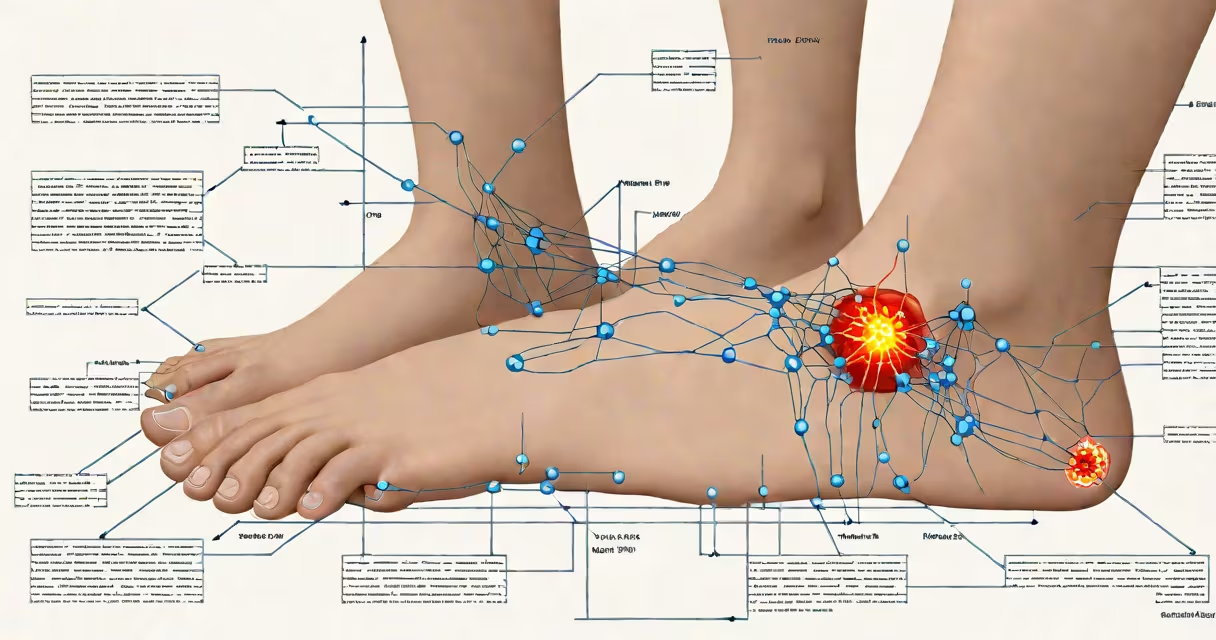
pain and pins and needles in feet refers to abnormal sensations-burning, tingling, numbness, or sharp shooting pain-in the feet caused by nerve irritation, compression, or dysfunction. These symptoms arise when peripheral nerves misfire or are damaged, disrupting normal signal transmission from the feet to the brain.
The condition is not a disease itself but a symptom of underlying issues affecting the nervous system. It commonly occurs in people with diabetes, those experiencing prolonged pressure on nerves (like from tight shoes), or individuals with vitamin B12 deficiency. Symptoms may come and go or persist, depending on the root cause.
According to the National Institute of Neurological Disorders and Stroke (NINDS), peripheral neuropathy affects about 20 million people in the U.S., with foot-related symptoms being among the most frequent presentations. Early recognition improves outcomes, especially when the cause is treatable.
Nerves in the feet transmit touch, temperature, and pain signals to the spinal cord and brain. When these nerves are compressed, inflamed, or damaged, they send incorrect or exaggerated signals. This leads to sensations like pins and needles-technically called paresthesia-or burning pain.
For example, sitting cross-legged for too long can compress the peroneal nerve behind the knee. This disrupts signals to the foot, causing temporary tingling in the outer foot and toes. Once posture changes, sensation returns. But persistent compression-such as from a herniated disc or tumor-can lead to lasting damage.
A 2021 study published in *Neurology* found that 68% of patients with unexplained foot tingling had subclinical nerve damage detectable via electromyography (EMG), even when standard blood tests were normal. This shows that symptoms don't always align with lab results.
Several conditions can trigger pain and pins and needles in feet. The most frequent include:
| Condition | Key Mechanism | Typical Symptoms |
|---|---|---|
| Diabetic neuropathy | High blood sugar damages small nerves over time | Burning, numbness starting in toes; worsens at night |
| Compression neuropathy | Nerve pinched by bone, muscle, or tissue | Localized tingling; often in one foot |
| Vitamin B12 deficiency | Deficiency impairs myelin sheath repair | Progressive numbness, balance issues, fatigue |
| Multiple sclerosis (MS) | Autoimmune attack on central nervous system | Fluctuating sensations; may affect both feet |
One non-obvious distinction: tingling in the soles of the feet is often due to nerve compression in the lower back, not the feet themselves. Sciatica, for instance, can mimic foot symptoms. A 2019 review in *The Journal of Orthopaedic and Sports Physical Therapy* noted that 34% of patients with foot paresthesia had lumbar spine pathology as the primary driver.
Another overlooked factor: certain medications. Anticonvulsants like gabapentin, chemotherapy drugs such as oxaliplatin, and some antibiotics (e.g., metronidazole) can induce peripheral neuropathy. Patients often miss this connection unless asked directly.
Pain and pins and needles in feet can resemble other conditions. People sometimes mistake it for poor circulation, especially if they feel cold or see pale skin. But cold feet without warmth return after warming up suggest vascular issues-not nerve problems.
True neuropathic symptoms don't improve with heat or massage. They may worsen at rest or during sleep. If you wake up with burning feet, it's likely nerve-related. Peripheral artery disease (PAD), which causes leg cramps during walking, typically doesn't cause tingling unless advanced.
I once observed a patient who reported daily foot tingling for six months. Initial visits focused on footwear and posture. Only after a nerve conduction study revealed reduced signal speed in the tibial nerve did we identify vitamin B12 deficiency. After supplementation, symptoms resolved in four weeks.
If pain and pins and needles in feet last longer than a few days, occur frequently, or are accompanied by weakness, loss of balance, or visible muscle wasting, consult a healthcare provider. Delaying evaluation increases risk of permanent nerve damage.
Diagnosis begins with a physical exam, including testing light touch, vibration, and reflexes. Blood tests check for diabetes, thyroid function, and vitamin levels. Imaging (MRI or CT) may be needed if spine or nerve root compression is suspected.
Treatment depends on the cause. Diabetic neuropathy requires blood sugar control and sometimes medications like pregabalin. Compression injuries may resolve with splints or surgery. B12 deficiency responds quickly to supplements.
For those experiencing symptoms in both hands and feet, common triggers include autoimmune disorders, infections, or toxic exposures. These cases require broader workups.
Remember: pain and pins and needles in feet is not normal aging. It's a signal. Addressing it early prevents irreversible nerve loss and improves quality of life.