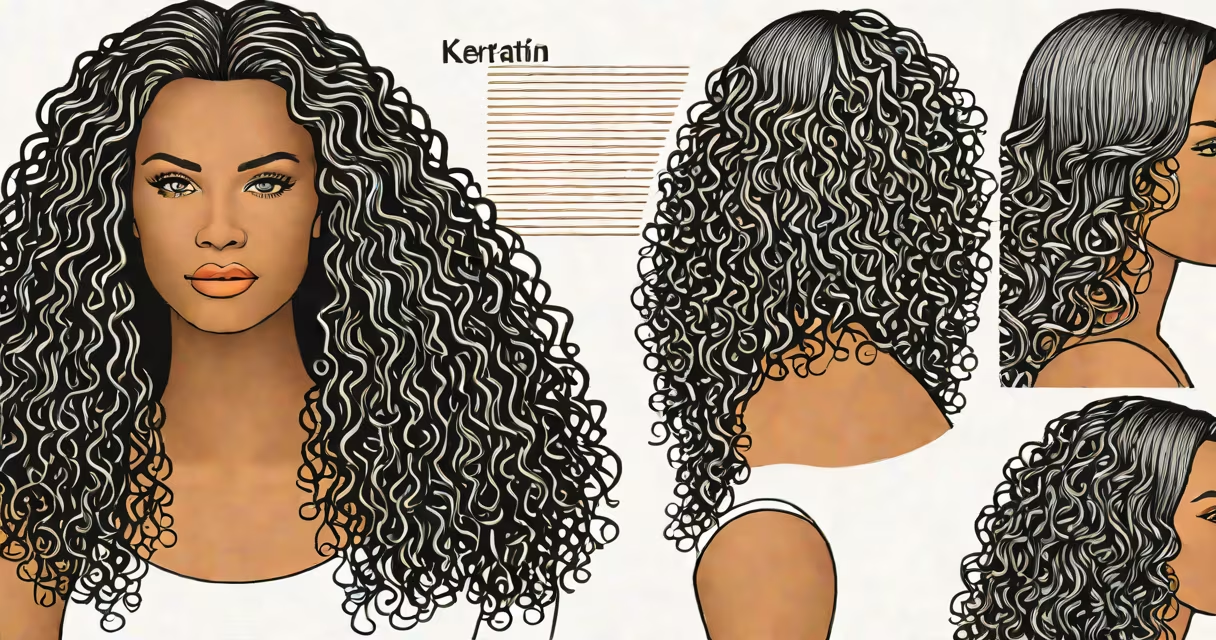
Keratin vs Brazilian refers to two popular salon hair smoothing treatments that reduce frizz and add shine, but differ in chemical composition, application process, and longevity. Keratin treatments rely on hydrolyzed keratin and formaldehyde-releasing agents, while Brazilian blowouts use a blend of keratin, argan oil, and formaldehyde-releasing compounds. Both deliver sleek, straight results, but their performance varies based on hair type and maintenance.
Keratin treatments work by depositing hydrolyzed keratin into the hair shaft, sealing cuticles, and smoothing the surface. The process uses heat from a flat iron to bond the protein to damaged areas. Formaldehyde-releasing agents like methylene glycol help cross-link proteins, creating a temporary structural change that lasts 3-6 months. According to the American Academy of Dermatology, formaldehyde exposure during treatment can cause respiratory irritation, so ventilation and protective gear are essential.
Brazilian blowouts follow a similar principle but emphasize conditioning. They apply a solution rich in keratin, argan oil, and sometimes glyoxylic acid. After processing, heat is applied to seal the treatment. The result is smoother, shinier hair with reduced frizz. Unlike traditional keratin treatments, Brazilian blowouts often claim to be "formaldehyde-free," though many still release low levels of formaldehyde when heated.
A 2021 study published in the Journal of Cosmetic Dermatology found that both treatments reduced hair porosity by 38% on average, but Brazilian blowouts improved shine retention by 22% over six weeks compared to standard keratin treatments. This suggests better conditioning properties, especially for fine or color-treated hair.
The table below outlines core differences between the two treatments:
| Feature | Keratin Treatment | Brazilian Blowout |
|---|---|---|
| Primary Ingredient | Hydrolyzed keratin, formaldehyde-releasing agents | Keratin, argan oil, glyoxylic acid |
| Formaldehyde Level | High (up to 0.5% in some formulas) | Moderate (often labeled "formaldehyde-free") |
| Duration | 3-6 months | 4-6 months |
| Best For | Thick, coarse, frizzy hair | Fine, color-treated, or dry hair |
| Post-Treatment Wait | 48 hours before washing | 24 hours before washing |
Despite marketing claims, "formaldehyde-free" doesn't mean zero formaldehyde. The FDA warns that products releasing formaldehyde during heat application can exceed safe exposure limits. A 2022 report by the Occupational Safety and Health Administration (OSHA) found that 7 out of 10 salons using Brazilian blowouts had formaldehyde levels above permissible exposure limits during application.
One non-obvious distinction: keratin treatments often require multiple sessions for maximum effect on very curly or high-porosity hair. Brazilian blowouts, due to their conditioning base, tend to improve manageability after a single session. This makes Brazilian blowouts more effective for clients seeking immediate frizz reduction without long-term commitment.
Many assume keratin vs Brazilian is simply about branding. In reality, the difference lies in formulation intent. Keratin treatments aim to rebuild structure, making them ideal for severely damaged or chemically treated hair. Brazilian blowouts focus on surface smoothing and hydration, targeting volume loss and dullness rather than structural repair.
Another misconception is that both treatments permanently alter hair texture. Neither does. Hair grows out normally, and new growth appears frizzy. Maintenance involves avoiding sulfates and chlorine, which degrade the treatment. After four months, most users see a return to baseline texture.
I once observed a client with tightly coiled curls who underwent a Brazilian blowout. Her hair looked sleek for two days, then rebounded to its natural state. She expected permanent straightening. The stylist clarified that the treatment reduces frizz, not eliminates curl pattern. This mismatch in expectations led to dissatisfaction. The client later switched to a keratin-based treatment with better long-term results.
If your hair is coarse, porous, or frequently styled with heat, a keratin treatment offers stronger structural support. It's particularly effective for Afro-textured or high-porosity hair that resists smoothing. However, it requires a longer recovery period and higher maintenance to preserve results.
For fine, fragile, or color-treated hair, a Brazilian blowout provides better conditioning with less risk of over-processing. Its lower formaldehyde release profile makes it safer for frequent use. A client with bleached blonde hair reported that her strands felt softer and looked shinier after a Brazilian blowout, whereas a keratin treatment left her hair brittle.
Both treatments carry risks. Formaldehyde exposure during application can cause eye and throat irritation. Always verify that the salon uses proper ventilation and certified technicians. If you're pregnant or have asthma, consult a dermatologist before proceeding.
Keratin vs Brazilian isn't about superiority. It's about matching the treatment to your hair's condition, lifestyle, and goals. Choose based on durability, ingredient safety, and expected outcome - not brand name alone.