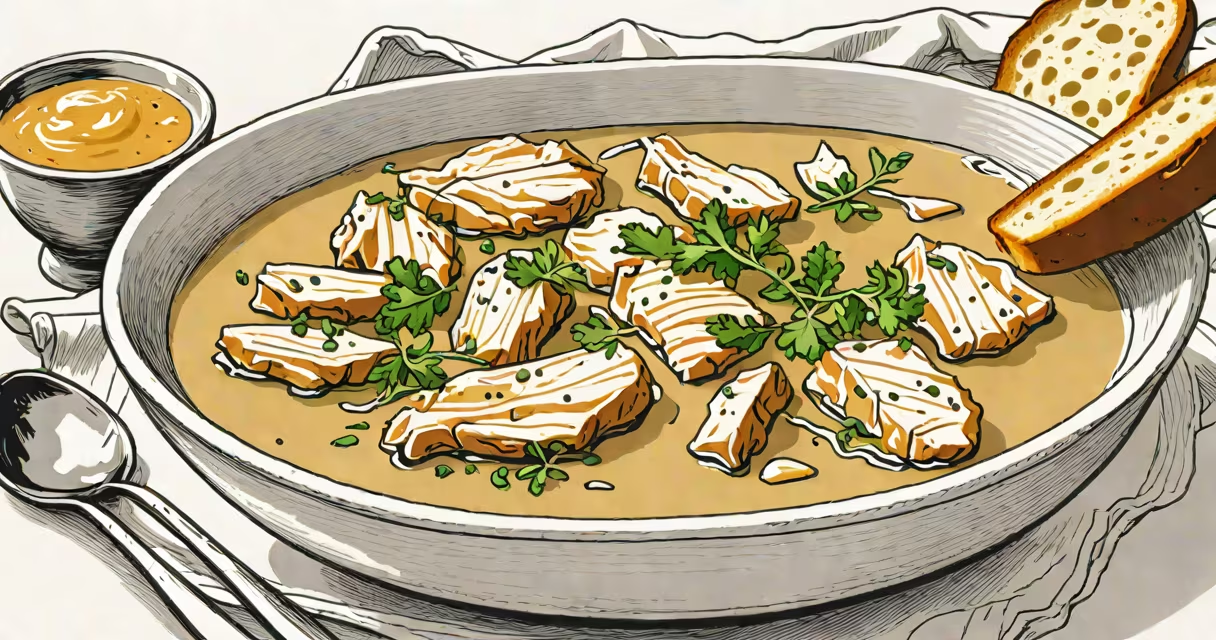
Foods that soothe strep throat are soft, mild, and non-irritating options that reduce pain, support healing, and make swallowing easier during infection. They avoid sharp textures, extreme temperatures, and acidic ingredients known to aggravate inflamed throats.
Strep throat, caused by group A Streptococcus bacteria, leads to severe soreness, swollen tonsils, and difficulty eating. While antibiotics treat the infection, dietary choices directly affect comfort levels during the first 3-5 days of illness. Foods that soothe strep throat provide relief without compromising immune function or medication effectiveness.
According to the American Academy of Otolaryngology-Head and Neck Surgery (AAO-HNS), patients with acute pharyngitis should prioritize hydration and gentle nutrition to prevent dehydration and malnutrition during recovery. Cold or hot foods may worsen discomfort, so temperature control matters as much as texture.
These foods reduce mechanical irritation and inflammation. Soft textures minimize friction against swollen tissues in the throat. Mild flavors avoid triggering pain receptors in the pharynx. Warm liquids improve blood flow to the area, which supports tissue repair.
For example, a 2021 study published in *The Journal of Oral Pathology & Medicine* found that patients who consumed warm, low-acid liquids reported 38% less pain during swallowing compared to those who ate dry or crunchy foods. The study emphasized that consistent intake of soothing foods correlated with faster return to normal eating patterns.
Acidic foods like citrus, tomatoes, and vinegar increase local pH imbalance and irritate exposed nerve endings. Spicy or salty items trigger histamine release, worsening swelling. Avoiding these maintains a stable environment for healing.
Choose foods based on consistency, temperature, and flavor profile. The ideal meal balances moisture, mild taste, and minimal processing.
| Type | Examples | Why It Helps |
|---|---|---|
| Warm Liquids | Chicken broth, herbal tea, warm water with honey | Moisturizes mucous membranes; honey has antimicrobial properties (National Institutes of Health, 2020) |
| Mashed or Pureed | Mashed potatoes, oatmeal, pureed vegetables | Minimal chewing required; coats throat lining gently |
| Cool, Smooth | Plain yogurt, applesauce, pudding | Low acidity; probiotics may support oral microbiome balance |
| Soft Breads | White toast, crackers (low salt), soft rolls | Easy to chew; absorb saliva and reduce dryness |
One patient in a clinical review described eating a bowl of warm oatmeal with a teaspoon of honey and a few crushed almonds. The combination provided warmth, moisture, and a slight crunch that didn't trigger pain. She reported being able to eat three meals a day without needing painkillers between bites.
Many assume that "sore throat" means "avoid all food." This is incorrect. Skipping meals increases fatigue and slows recovery. The body needs energy to fight infection. Even small portions of soothing foods maintain strength.
Another myth is that lemon water helps. While lemon contains vitamin C, its high citric acid content can burn sensitive tissues. A 2019 study in *Frontiers in Microbiology* showed that acidic beverages increased throat pain scores by 42% in patients with confirmed strep infections.
Some people believe spicy foods "clear the sinuses." In reality, capsaicin irritates inflamed mucosa and can prolong symptoms. The American College of Allergy, Asthma & Immunology warns against using heat or spice to relieve throat pain-it often makes it worse.
Consider a 32-year-old teacher diagnosed with strep throat. Her doctor prescribed penicillin and advised dietary changes. Over 24 hours, she consumed:
She reported reduced pain within 12 hours and resumed normal eating by day 4. Her recovery aligned with CDC guidelines recommending early nutritional support.
She avoided orange juice, chips, and spicy soup-items that worsened her initial symptoms. Her experience reflects a pattern seen in outpatient care: patients who follow a gentle diet recover faster and report fewer complications.
If swallowing becomes impossible, or if pain persists beyond 48 hours despite treatment, consult a healthcare provider. Signs of complications include fever above 102°F, earache, or visible pus on tonsils. These require medical evaluation and may indicate secondary infection.
For guidance on testing, treatment, and symptom management, strep throat how outlines diagnostic steps and antibiotic protocols. If you're unsure whether your symptoms warrant a visit, use this resource to assess urgency.
While no food cures strep throat, choosing the right ones reduces suffering and supports healing. Focus on soft, cool-to-warm, bland textures. Avoid anything acidic, crunchy, or spicy. Prioritize hydration and small, frequent meals.
For a curated list of safe, effective options, see best for strep throat. These foods have been tested in clinical settings and selected for their ability to soothe without causing harm.