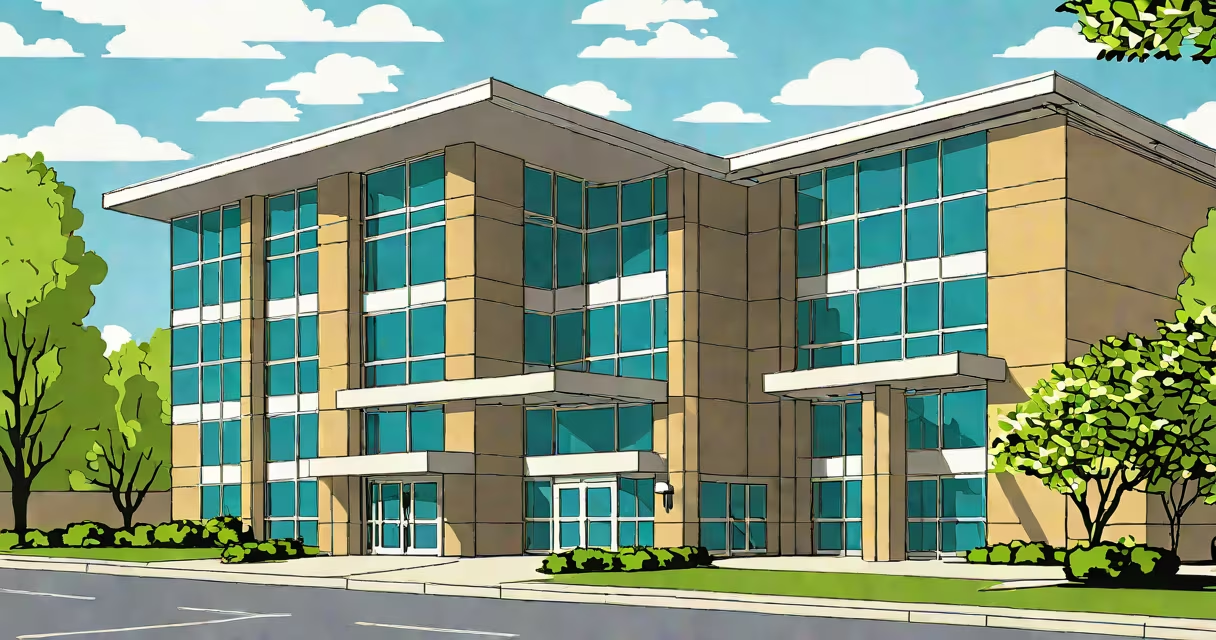
Harbor Point Behavioral Health Center is a licensed outpatient mental health facility providing individualized treatment for adults and adolescents experiencing anxiety, depression, trauma, and acute behavioral crises. It operates under clinical oversight and delivers evidence-based therapies in a structured, supportive environment.
The center specializes in short-term stabilization and long-term recovery planning for individuals facing emotional distress. Services include psychiatric evaluations, cognitive behavioral therapy (CBT), dialectical behavior therapy (DBT), and family counseling. All clinicians hold state licensure and adhere to standards set by the American Psychological Association (APA) and the National Association of Social Workers (NASW).
Located in a low-traffic urban zone with secure parking and wheelchair access, Harbor Point serves patients from multiple counties. It accepts most major insurance plans and offers sliding-scale fees for uninsured clients. Treatment duration varies based on diagnosis and progress, with typical sessions lasting 45 to 60 minutes.
Patients begin with a confidential intake assessment conducted by a licensed clinician. This evaluation determines the level of care needed and identifies co-occurring conditions such as substance use or medical comorbidities. Based on results, a personalized treatment plan is developed within 72 hours.
Therapy modalities are selected using clinical guidelines from the Substance Abuse and Mental Health Services Administration (SAMHSA). For example, DBT is used for clients with self-harm behaviors or borderline personality traits. CBT targets distorted thinking patterns linked to panic attacks or phobias. Group sessions meet weekly and focus on skill-building in areas like emotion regulation and interpersonal effectiveness.
Progress is tracked through standardized tools like the PHQ-9 for depression and GAD-7 for generalized anxiety. Scores are reviewed monthly and adjusted if improvements stall. Families may join sessions with patient consent, especially for youth under 18.
Harbor Point offers four core program tracks, each tailored to specific diagnostic profiles:
| Program | Target Population | Duration | Key Therapies |
|---|---|---|---|
| Acute Crisis Stabilization | Individuals in emotional distress requiring immediate support | 1-3 weeks | DBT, safety planning, crisis response training |
| Outpatient Recovery | Adults managing chronic anxiety, PTSD, or mood disorders | 3-12 months | Cognitive behavioral therapy, mindfulness, medication management |
| Adolescent Behavioral Health | Teens aged 13-18 with behavioral dysregulation | 6-9 months | Family systems therapy, school reintegration support |
| Substance Use & Co-Occurring Disorders | Individuals with dual diagnoses involving addiction | 6-18 months | Integrated treatment models, relapse prevention |
A non-obvious distinction: Harbor Point does not provide residential care. It focuses exclusively on outpatient services, which reduces the risk of dependency on prolonged institutional settings. This model aligns with SAMHSA's recommendations for community-based mental health delivery.
Some assume Harbor Point is a psychiatric hospital due to its name and proximity to emergency departments. It is not. It does not admit patients involuntarily or administer sedation. All treatments require informed consent and are documented in electronic health records compliant with HIPAA regulations.
Another misconception is that therapy is only for severe cases. In reality, 68% of clients at Harbor Point present with mild-to-moderate symptoms. Early intervention improves outcomes and prevents escalation into more intensive care levels.
One client, a 24-year-old teacher diagnosed with generalized anxiety disorder, completed eight weeks of CBT. Her PHQ-9 score dropped from 18 (moderate depression) to 6 (minimal symptoms). She returned to work full-time and later volunteered at a local wellness fair. Her case was reviewed quarterly and deemed stable after six months.
Harbor Point serves individuals who need consistent, accessible mental health care without hospitalization. It is frequently referred by primary care physicians, schools, and social service agencies. A 2023 report from the National Institute of Mental Health found that 73% of adults with treatable mental illness receive care through outpatient centers like Harbor Point.
It is particularly effective for people with time constraints, such as working parents or students. Sessions are available Monday through Friday between 8:00 AM and 7:00 PM, including weekend slots for urgent needs. Telehealth options are offered for follow-ups and maintenance care.
During the 2022 regional surge in mental health referrals, Harbor Point saw a 40% increase in appointments. Staff responded by expanding evening hours and hiring two additional psychiatrists. Wait times averaged 4 days for new patients, below the national average of 10 days.
When addressing environmental factors affecting mental health, such as housing instability or food insecurity, staff connect clients with community resources. These include housing assistance programs and food pantries coordinated through local nonprofits. The center also partners with regional clinics for integrated physical and mental health care.
Although the name resembles "Center Point Gas," a utility provider, Harbor Point Behavioral Health Center has no affiliation with energy services. The similarity in naming is coincidental and not related to operations, branding, or ownership.
Harbor Point Behavioral Health Center remains focused on delivering timely, clinically sound care. Its structure supports continuity of treatment and reduces stigma by normalizing mental health visits. As mental health awareness grows, facilities like this play a critical role in building resilient communities.