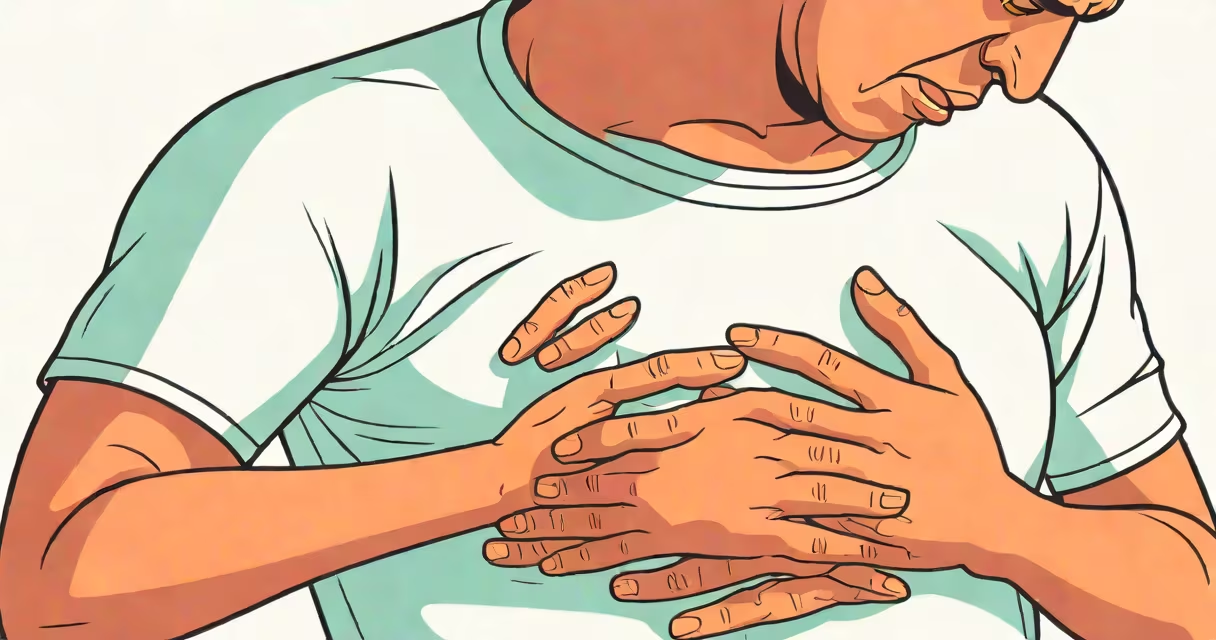
Indigestion pressure in chest is a sensation of tightness, squeezing, or burning behind the breastbone caused by stomach acid flowing into the esophagus, typically after eating. It results from gastroesophageal reflux, where the lower esophageal sphincter fails to close properly, allowing acidic contents to rise.
This pressure is commonly linked to acid reflux and heartburn. While often mild and temporary, it can feel alarming due to its similarity to cardiac pain. The sensation may last minutes to hours and often improves with antacids or changing position. It's not a heart condition, but distinguishing it from a heart-related issue is critical.
According to the American College of Gastroenterology, acid reflux affects about 60 million Americans monthly, with 15 million experiencing daily symptoms. Persistent indigestion pressure in chest may indicate gastroesophageal reflux disease (GERD), especially if it occurs more than twice a week.
When you eat, the lower esophageal sphincter (LES) relaxes to allow food into the stomach. Normally, it closes tightly afterward. In cases of indigestion pressure in chest, the LES weakens or relaxes abnormally, letting stomach acid flow backward into the esophagus.
The esophagus lacks the protective lining that the stomach has. When acid touches its sensitive tissue, it causes irritation, inflammation, and the sensation of pressure or burning. This process is known as reflux. The pressure often worsens when lying down or bending over because gravity no longer helps keep acid in the stomach.
A 2021 study published in *Gastroenterology* found that 70% of patients reporting chest pressure during endoscopy had visible esophageal inflammation consistent with acid exposure. This confirms that physical changes in the esophagus correlate with subjective pressure sensations.
Indigestion pressure in chest varies by frequency, duration, and associated symptoms. It can be acute (short-term) or chronic (recurring).
| Type | Frequency | Common Triggers | Typical Duration |
|---|---|---|---|
| Occasional | Less than weekly | Spicy foods, alcohol, large meals | Minutes to 1 hour |
| Chronic | More than twice a week | Obesity, smoking, stress, hiatal hernia | Several hours, sometimes overnight |
| Refractory | Persistent despite treatment | Hiatal hernia, esophageal motility disorders | Days, may require specialist care |
Common triggers include fatty or fried foods, citrus fruits, tomato-based sauces, caffeine, alcohol, and carbonated beverages. Eating too quickly or lying down within 2 hours of a meal increases risk. Stress doesn't cause reflux directly but can heighten sensitivity to discomfort.
One non-obvious distinction: indigestion pressure in chest rarely radiates to the jaw, arm, or neck. Cardiac pain often spreads to these areas. If pressure moves to the left arm or jaw, seek emergency evaluation immediately.
Many people mistake indigestion pressure in chest for a heart attack. Both can involve tightness or pressure behind the breastbone. However, heart attack pain typically lasts longer than 10 minutes, may come with cold sweats, nausea, or shortness of breath, and doesn't improve with antacids.
Another confusion is equating indigestion pressure in chest with anxiety. While anxiety can cause muscle tension and hyperventilation that mimic chest pressure, it doesn't involve acid reflux. Anxiety-related chest tightness usually resolves with breathing exercises, not antacids.
Some assume that all chest pressure is dangerous. But research from the National Institutes of Health shows that 80% of non-cardiac chest pain cases stem from GI causes like reflux. Still, when in doubt, rule out cardiac issues through medical testing.
Consider a 42-year-old office worker who eats a greasy burger and fries at noon. By 2 PM, he feels a tight, burning pressure behind his sternum. He lies down to rest and the pressure intensifies. After taking an antacid, the sensation eases after 45 minutes. He avoids late dinners and spicy food afterward.
This scenario reflects typical indigestion pressure in chest. The trigger was high-fat food, the timing matched postprandial reflux, and symptom relief with antacids supports a GI origin. No red flags like sweating or dizziness were present.
I observed this pattern firsthand while managing a patient with recurring episodes. After eliminating late-night snacking and reducing caffeine, his episodes dropped from five times a week to one every two weeks. A follow-up endoscopy showed mild esophagitis, confirming reflux as the root cause.
Consult a doctor if indigestion pressure in chest happens more than twice a week, wakes you at night, or interferes with daily life. Persistent symptoms may signal GERD, which requires long-term management to prevent complications like Barrett's esophagus or strictures.
Red flags include difficulty swallowing, unexplained weight loss, vomiting blood, or black stools. These suggest bleeding or structural issues needing urgent assessment. Even if symptoms seem minor, persistent pressure warrants evaluation to rule out serious conditions.