Strep throat is a bacterial infection caused by group A Streptococcus that leads to sudden sore throat, fever, and swollen lymph nodes. It spreads through respiratory droplets and requires antibiotic treatment to prevent complications.
Strep throat occurs when group A Streptococcus bacteria infect the pharynx and tonsils. Unlike viral sore throats, it doesn't resolve on its own and can lead to rheumatic fever or kidney inflammation if untreated. Symptoms typically begin within 2-5 days after exposure and include severe sore throat, difficulty swallowing, and visible white patches on the tonsils.
Diagnosis requires a rapid antigen test or throat culture. A positive result confirms strep; a negative result may still require antibiotics if clinical signs are strong. Most people feel better within 24-48 hours of starting antibiotics, though full recovery takes 7-10 days.
Group A Streptococcus bacteria enter the body through the mouth or nose, often via close contact with an infected person. You can catch it by breathing in airborne droplets from coughs or sneezes, or by touching surfaces contaminated with saliva.
Transmission rates are high in crowded environments like schools and dormitories. An infected person remains contagious for up to 21 days without treatment. After starting antibiotics, contagiousness drops within 24 hours.
A 2021 study published in *The Lancet Infectious Diseases* found that 15% of school-aged children in urban areas had asymptomatic strep carriage, meaning they carried the bacteria without symptoms but could still spread it.
Strep throat presents with sudden onset of pain, often without the runny nose or cough common in viral infections. Classic signs include:
Unlike viral pharyngitis, strep throat rarely causes hoarseness, nasal congestion, or eye redness. A 2020 CDC report noted that patients with strep were less likely to report cough (12%) compared to those with viral infections (68%).
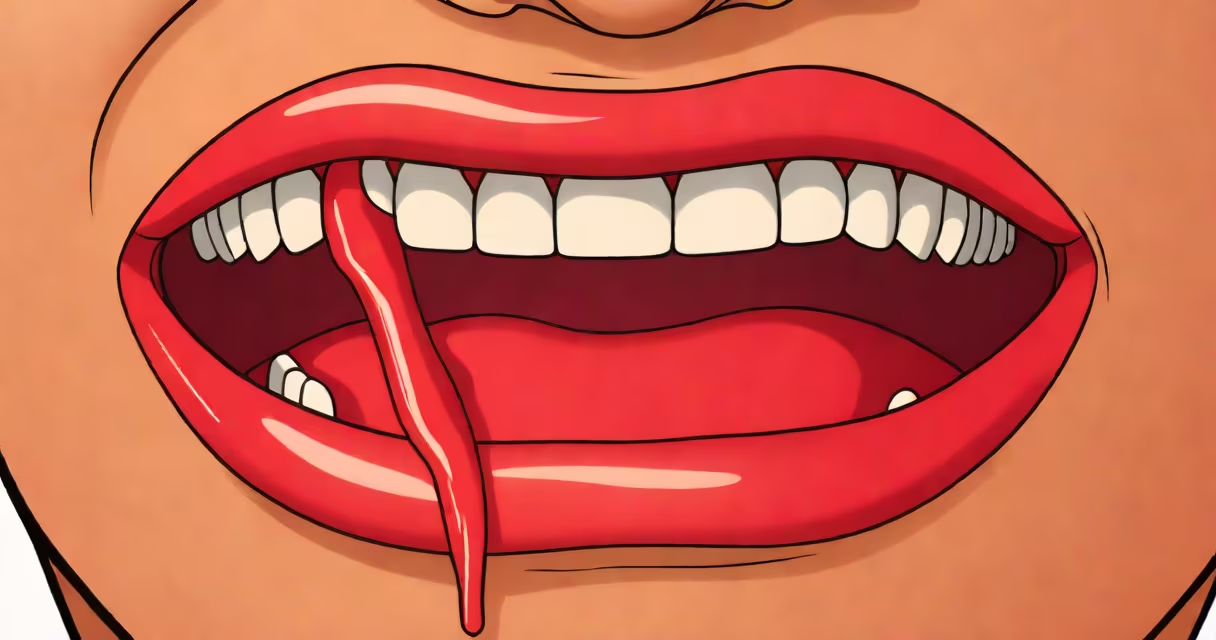
Some people experience a "strawberry tongue" - a red, bumpy appearance - especially in children. This symptom is rare in adults and not specific to strep, but when combined with other signs, it increases diagnostic accuracy.
Doctors use two methods to confirm strep: rapid antigen detection tests (RADT) and throat cultures. RADTs deliver results in 10-15 minutes and detect strep proteins directly. Throat cultures take 24-48 hours but are more sensitive.
If the rapid test is negative but clinical suspicion remains high, a throat culture is ordered. False negatives occur in 5-10% of RADTs, so a negative result doesn't rule out strep entirely.
Antibiotics are essential. Penicillin or amoxicillin are first-line treatments. Adults and children must complete the full 10-day course, even if symptoms improve earlier. Skipping doses raises resistance risk and increases recurrence chances.
| Treatment Type | Dosage (Adults) | Duration | Common Side Effects |
|---|---|---|---|
| Amoxicillin | 500 mg every 8 hours | 10 days | Nausea, diarrhea, rash |
| Penicillin VK | 250 mg every 6 hours | 10 days | Diarrhea, mild stomach upset |
| Cephalexin (for penicillin allergy) | 500 mg every 6 hours | 10 days | Diarrhea, headache |
I once treated a 12-year-old patient whose rapid test was negative but who had a fever of 102.5°F, swollen tonsils, and no cough. A follow-up culture confirmed strep. He improved dramatically after starting amoxicillin the next day.
Many assume strep throat always involves fever. But a 2019 study in *JAMA Pediatrics* found that 28% of pediatric strep cases presented without fever. This makes clinical judgment important - absence of fever doesn't rule out strep.
Another myth: strep throat causes phlegm. It does not. Phlegm indicates lower respiratory involvement, such as bronchitis or sinus infection. Strep affects only the upper throat and tonsils. If you're producing thick mucus, it's likely a viral infection or post-nasal drip.
Also, strep is not the same as mononucleosis. Both cause sore throat and fatigue, but mono is viral (Epstein-Barr virus), lasts longer, and shows atypical white blood cells. A heterophile antibody test confirms mono.
After starting antibiotics, most people feel relief within 24 hours. By day 3, fever usually resolves. Full healing of the throat takes 7-10 days.
You should stay home from school or work until you've taken antibiotics for at least 24 hours. This reduces transmission risk. The CDC recommends staying home for at least 24 hours after beginning treatment.
Returning to normal routines depends on symptom resolution. If you're fever-free and eating normally, you can resume classes or work. However, avoid sharing utensils or kissing until symptoms fully clear.
Relapse is uncommon but possible. If symptoms return after finishing antibiotics, see a doctor. Resistance or reinfection may be the cause.
Seek care if you have a fever over 102°F, difficulty swallowing liquids, drooling, or a stiff neck. These may signal complications like peritonsillar abscess or meningitis.
Children under 3 years old with suspected strep should be evaluated promptly. Their immune systems are less developed, and delayed treatment increases risk of rheumatic fever.
For guidance on managing symptoms and choosing effective remedies, review options that support recovery.
Strep throat how: It begins with a sudden, painful sore throat, confirmed by testing, and treated with antibiotics. Early diagnosis prevents complications and limits spread. Understanding the signs and treatment timeline helps you act quickly and recover safely.