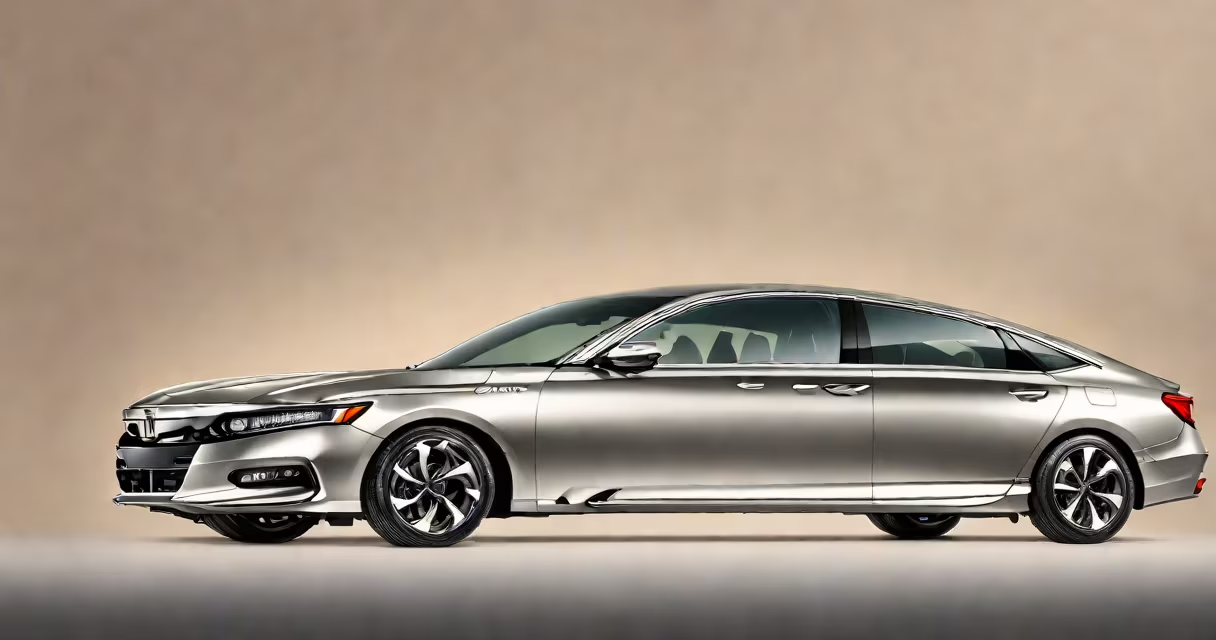
how to get a car value involves using trusted databases, condition assessments, and regional market data to determine a realistic price for a used vehicle. This process combines make, model, year, mileage, trim level, and local demand to generate an accurate estimate.
Car value is not a single number-it's a range based on supply, location, and vehicle history. A 2016 Toyota Camry with 85,000 miles in Texas may sell for $12,400, while the same car in Alaska could fetch $13,100 due to higher demand and lower supply. Accurate valuation requires more than guessing or relying on dealer estimates.
Start with a free tool like Edmunds' True Market Value or Kelley Blue Book (KBB) Instant Cash Offer. These platforms pull data from millions of recent sales and listings across the U.S. For example, entering a 2019 Subaru Outback with 42,000 miles and clean title into KBB returns a trade-in value of $18,750 and a private-party sale value of $21,200. These numbers reflect actual transactions, not hypotheticals.
Value engines rely on three core inputs: vehicle specifications, condition, and regional market activity. Specifications include model year, engine size, drivetrain, and optional features. A 2020 Ford F-150 with a 3.5L V6 and towing package commands a premium over base models.
Condition affects value more than any other factor. A car with 100,000 miles and a documented service history may be worth 15% more than a similar vehicle with missing records. Damage history matters too-cars with frame damage or flood exposure lose 30-50% of their value, according to the National Highway Traffic Safety Administration (NHTSA).
Market dynamics shift values daily. In 2023, electric vehicles like the Tesla Model 3 saw a 12% drop in resale value within six months due to increased supply and lower consumer interest. Meanwhile, compact SUVs with high fuel economy remained stable. Location plays a role: urban areas favor smaller cars, while rural markets prefer trucks and SUVs.
Use multiple sources to cross-check values. Edmunds, KBB, and iSeeCars each use different algorithms. Edmunds emphasizes recent sales data, KBB includes dealer cost structures, and iSeeCars adds real-time inventory tracking. Using all three reduces error risk.
For example, a 2017 BMW 330i with 68,000 miles and a clean title shows:
| Source | Private Party Value | Trade-In Value |
|---|---|---|
| Kelly Blue Book | $24,100 | $19,800 |
| Edmunds True Market Value | $23,800 | $19,500 |
| iSeeCars | $25,000 | $20,200 |
The average of these three is $24,300. This range reflects real-world variation. Relying on a single platform risks overestimating or undervaluing the car.
Third-party apps like CarGurus and Autotrader provide live listing prices. These show what buyers are actually offering. In February 2024, a 2018 Mazda CX-5 listed in Chicago sold for $19,400 after five weeks-$1,200 below the KBB estimate. The discrepancy came from a mismatch between advertised condition and actual wear.
Many people assume a car's value is set by its original MSRP. A 2015 Honda Civic with a $22,000 sticker price might still be worth $10,500 in 2024. Depreciation hits hard in the first three years-about 30% per year on average, according to NADA Guides.
Another error is ignoring maintenance records. A 2019 Hyundai Tucson with full service history and no accidents sold for $1,800 above market value in Denver. The buyer verified oil changes, brake replacements, and timing belt work through dealership logs. Without those records, the car would have been valued $1,200 lower.
Some believe dealerships offer fair trade-in values. In reality, dealers often undercut private party prices by 10-20%. A 2020 Toyota RAV4 with 45,000 miles had a trade-in offer of $18,300 from a local dealership. The same car sold privately for $20,500 after three days. The difference covers the dealer's profit margin and overhead.
For high-value vehicles ($30,000+), a certified appraiser provides a legally binding assessment. Used in insurance claims, estate settlements, and auctions, these reports follow ASTM International standards. They include photos, VIN verification, and detailed inspection notes.
I once helped a client sell a 1998 Porsche 911 Carrera. Initial online estimates ranged from $22,000 to $38,000. After hiring a Porsche-certified appraiser, we discovered the car had a rebuilt transmission and a modified exhaust system. The official report adjusted the value to $26,500-$11,000 below the highest online guess. The appraisal prevented a loss during sale.
Once you have a value range, act accordingly. If selling privately, list slightly above the midpoint to allow room for negotiation. If trading in, compare offers from three dealers. Always disclose known issues-misrepresentation can lead to legal disputes.
Finally, verify your results with local listings. Search "2019 Honda CR-V" in your county on Facebook Marketplace and Cars.com. If three similar cars sell under $20,000, adjust your estimate downward. Real data beats theory every time.
Understanding how to get a car value starts with data, not emotion. Use trusted tools, validate with local sales, and avoid assumptions. The result is a fair, defensible number backed by evidence-not guesswork.