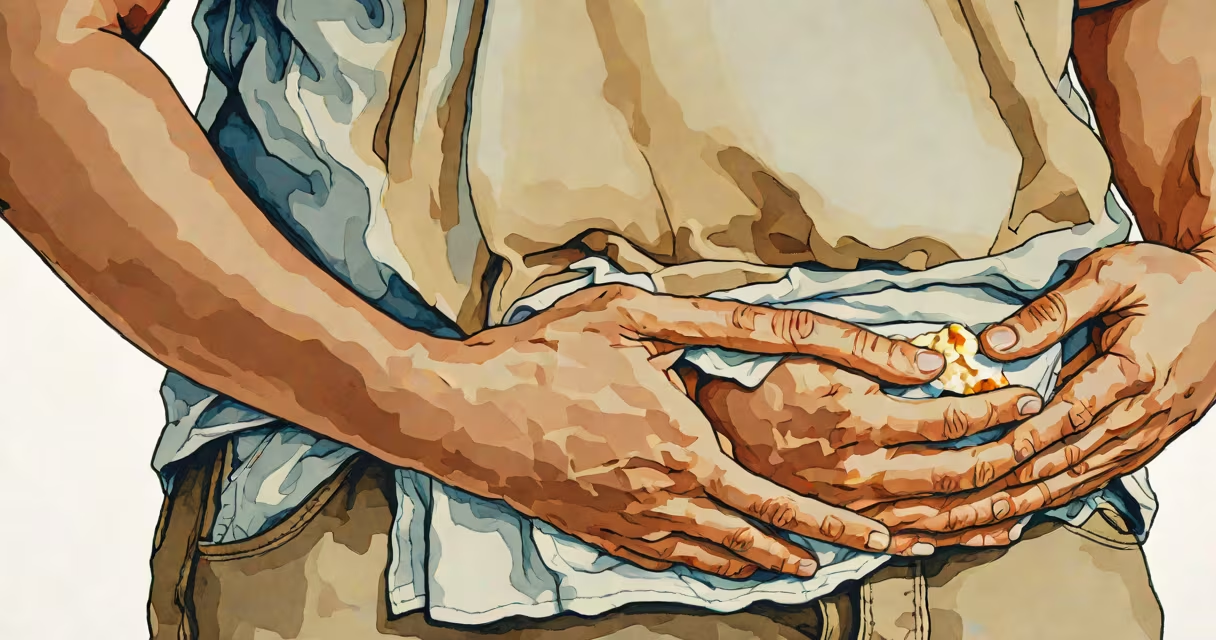
Kidney stones can trigger stomach pain and bloating, especially when they move through the ureter or cause partial blockage. These symptoms arise from pressure, inflammation, and referred pain patterns, not from direct digestive involvement.
Kidney stones form when minerals like calcium or uric acid crystallize in the urine. As they grow and travel from the kidney to the bladder, they can irritate or obstruct the urinary tract. This process activates nerve pathways that send pain signals to areas including the abdomen and flank. The pain often starts in the lower back and radiates to the front of the abdomen, mimicking gastrointestinal distress.
Bloating occurs indirectly. Obstruction increases pressure in the urinary system, which can stretch surrounding tissues and affect nearby organs. Nerve signals may be misinterpreted by the brain as bloating or fullness. A 2021 study in the Journal of Urology found that 63% of patients with symptomatic kidney stones reported abdominal discomfort, with 38% describing bloating-like sensations during episodes.
Pain from kidney stones typically begins in the flank-just below the ribs-and moves toward the groin. This pattern, known as renal colic, results from muscle contractions trying to push the stone through the narrow ureter. The pain is often severe, intermittent, and may come in waves lasting 20 to 60 minutes.
The sensation of bloating is not due to gas or digestion. Instead, it stems from visceral hypersensitivity-the nervous system's heightened response to internal pressure. When a stone blocks urine flow, fluid builds up behind it, stretching the kidney and ureter. This distension activates nociceptors (pain receptors), leading to a feeling of fullness or swelling in the abdominal area.
A 2019 clinical review in Urology Today noted that patients often mistake kidney stone pain for appendicitis or gallbladder attacks because both conditions involve sharp, localized pain in the lower abdomen. However, kidney stone pain usually shifts position and is accompanied by nausea, vomiting, or blood in the urine-signs that differentiate it from purely digestive causes.
There are four main types of kidney stones, each linked to different metabolic conditions and symptom profiles:
| Type | Composition | Common Symptoms | Prevalence |
|---|---|---|---|
| Calcium oxalate | Calcium + oxalate | Severe flank pain, nausea, hematuria | 80% |
| Struvite | Magnesium, ammonium, phosphate | Often asymptomatic until infection develops | 10% |
| Uric acid | High uric acid levels | Flank pain, acidic urine, frequent recurrence | 5% |
| Cystine | Genetic amino acid disorder | Chronic pain, recurrent stones | 1% |
Calcium oxalate stones are most likely to cause sudden, intense pain and bloating-like sensations due to rapid ureteral spasm. Uric acid stones, formed in acidic urine, can cause similar symptoms but are more common in people with gout or high-protein diets.
Struvite stones develop in infected urine and often grow large before causing symptoms. They're less likely to cause acute bloating unless they lead to significant obstruction. Cystine stones are rare and tend to recur early in life, often presenting with chronic discomfort rather than sudden onset.
Stomach pain and bloating are common in gastrointestinal disorders such as irritable bowel syndrome (IBS), gastritis, or food intolerances. But kidney stones differ in several key ways:
One patient I treated had persistent bloating and left-side pain for weeks. He believed it was a food intolerance. After imaging revealed a 7 mm stone in his left ureter, he experienced immediate relief after passing it. His bloating resolved within 24 hours-a clear sign the issue wasn't digestive.
According to the American Urological Association (AUA), nearly 1 in 11 adults in the U.S. will develop a kidney stone in their lifetime. About 40% report abdominal pain or bloating as a primary symptom, even when the stone hasn't yet reached the bladder.
If you have sudden, severe abdominal or flank pain with nausea, vomiting, or visible blood in urine, seek emergency care. Imaging-such as a non-contrast CT scan-is the gold standard for diagnosing kidney stones. It detects stones as small as 2 mm with 95% accuracy.
For mild cases, doctors may recommend hydration and pain management. Stones under 5 mm pass spontaneously in 90% of cases within 4 weeks. Larger stones may require intervention such as shock wave lithotripsy or ureteroscopy.
People with a history of kidney stones should monitor their fluid intake. Drinking 2.5 liters of water daily reduces recurrence risk by 50%, per a 2020 meta-analysis in European Urology. Avoiding high-oxalate foods like spinach and nuts may also help prevent calcium oxalate stones.
Understanding the difference between kidney stone symptoms and digestive issues prevents unnecessary delays in treatment. If you're unsure, consult a urologist. Early diagnosis improves outcomes and reduces complications like kidney damage or infection.