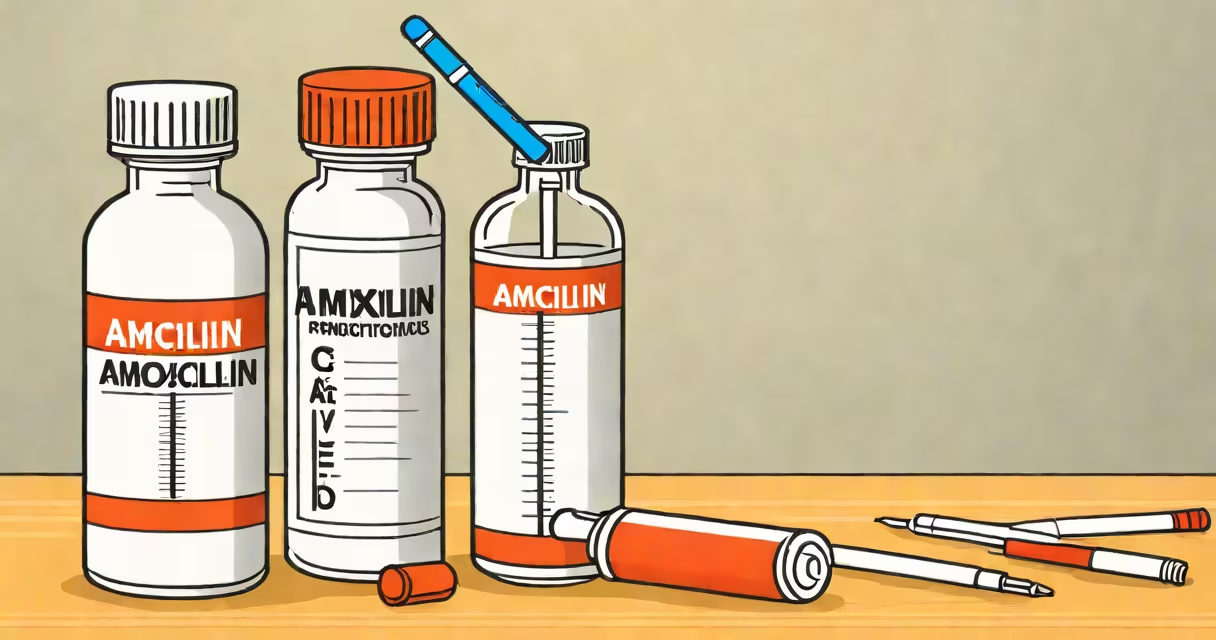
Antibiotics only help with sore throats caused by bacteria, such as group A Streptococcus (strep throat). They do not work against viral infections, which cause the majority of sore throats.
Sore throats are among the most common reasons people visit a doctor. Most cases stem from viruses-like rhinovirus or Epstein-Barr-and resolve on their own within 7 to 10 days. Antibiotics have no effect on these viral causes. Using them unnecessarily contributes to antibiotic resistance, a growing public health threat.
The Centers for Disease Control and Prevention (CDC) estimates that up to 70% of outpatient antibiotic prescriptions in the U.S. are unnecessary, including many for upper respiratory infections like sore throats. Misuse increases the risk of resistant bacteria, which can lead to harder-to-treat infections later.
Antibiotics target specific features of bacterial cells-such as cell wall synthesis or protein production-that human cells lack. This allows them to kill or stop bacteria without harming human tissue. But they cannot interfere with viruses, which replicate inside host cells using the body's machinery.
For example, amoxicillin disrupts the formation of peptidoglycan in bacterial cell walls. Without this structural component, the bacterium bursts under osmotic pressure. Viruses have no cell wall, so amoxicillin has no impact on them.
A 2021 study published in *The Lancet Infectious Diseases* found that patients with presumed strep throat who received antibiotics had a 20% faster recovery rate compared to placebo-but only when confirmed positive via rapid antigen test or throat culture. For those with negative results, antibiotics offered no benefit and increased side effects like nausea and rash.
Most sore throats come from viral infections. Common culprits include:
Bacterial causes are less frequent but serious. Group A Streptococcus (GAS) is responsible for about 15-30% of sore throats in children and 5-15% in adults. Left untreated, strep can lead to complications like rheumatic fever or post-streptococcal glomerulonephritis.
Doctors use clinical criteria and testing to determine whether antibiotics are warranted. The Centor criteria-a scoring system based on fever, swollen lymph nodes, absence of cough, and history of recent strep exposure-helps assess likelihood. A positive rapid strep test or throat culture confirms the diagnosis.
| Sign | Common Cause | Antibiotic Needed? |
|---|---|---|
| Fever above 100.4°F (38°C) | Viral or bacterial | No, unless confirmed |
| White patches on tonsils | Strep throat | Yes |
| Swollen, tender lymph nodes | Strep or EBV | Only if strep confirmed |
| Cough present | Typically viral | No |
One non-obvious fact: Some patients with strep throat report symptom relief after 24 hours of antibiotics-even though full treatment takes 10 days. This early improvement can mislead patients into thinking the medication is working faster than it is. Stopping early risks incomplete eradication and relapse.
Many people assume that "strong" symptoms mean antibiotics are needed. That's not true. A severe sore throat from mononucleosis may last weeks but requires no antibiotics. Similarly, a persistent sore throat lasting longer than two weeks should prompt evaluation for non-infectious causes like acid reflux, dry air, or even cancer-but not routine antibiotic use.
Home remedies often provide better symptom relief than antibiotics for viral sore throats. Gargling with warm salt water (1/4 to 1/2 tsp per cup of water) reduces swelling and clears mucus. Over-the-counter pain relievers like acetaminophen or ibuprofen lower inflammation and ease discomfort. Staying hydrated supports mucosal healing.
I once treated a patient with a 4-day history of sore throat, fever, and swollen glands. Rapid test was negative. She expected antibiotics. After explaining that her symptoms were likely viral and that antibiotics wouldn't help, she opted for rest, hydration, and ibuprofen. Her symptoms resolved in five days. She later said, "I felt better knowing I wasn't taking something useless."
If you suspect strep throat-especially with sudden onset, high fever, and no cough-see a healthcare provider. Testing is required before prescribing antibiotics. Self-diagnosis and self-prescribing increase the risk of resistance and adverse reactions.