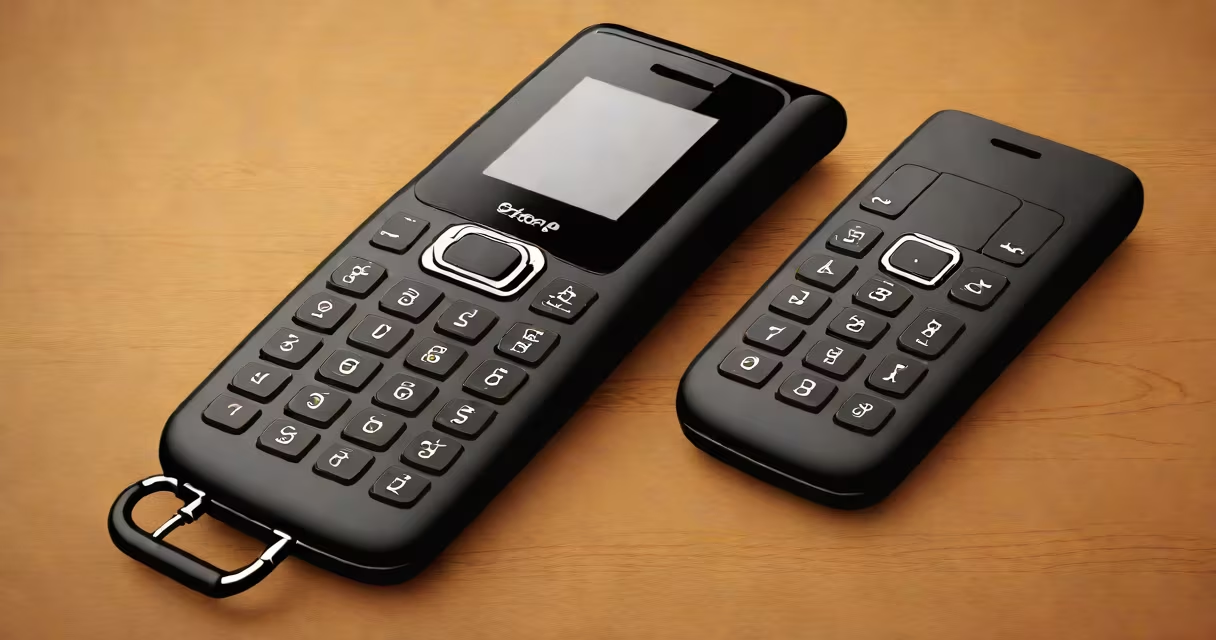
The best simple flip phone is a compact, durable mobile device with a physical keypad, foldable design, and minimal digital distractions. It prioritizes reliability, long battery life, and ease of use over advanced features like touchscreens or app ecosystems.
These phones emerged in the early 2000s as alternatives to complex smartphones. Today, they remain popular among users seeking straightforward communication tools-especially older adults, those avoiding digital overload, or people in areas with weak signal coverage. Unlike feature phones with limited apps, the best simple flip phones focus on calling, texting, and basic functions.
Key traits include a hinge mechanism that opens to reveal the screen and keypad, a physical keypad for tactile input, and a battery that lasts days or weeks on a single charge. Many models support dual SIM cards, have ringtones, and offer emergency SOS features. They are not designed for internet browsing, social media, or high-resolution photos.
A simple flip phone operates using GSM or CDMA networks, depending on the carrier. When flipped open, a switch activates the display and microphone. The keypad sends DTMF tones (dial tone signals) to the network during calls. Text messages are sent via SMS over the cellular network, not the internet.
Power comes from a removable or internal lithium-ion battery. Because these devices lack constant background processes, GPS, or high-refresh-rate screens, they consume far less energy. A typical model drains less than 10% per day with moderate use.
For example, the Motorola Razr (2022) uses a 3,000 mAh battery and delivers up to 24 hours of talk time. In contrast, a smartphone with similar usage may last only 8-10 hours. This efficiency stems from reduced processing demands and lower screen brightness.
Simple flip phones fall into two categories: basic models and premium foldables. Basic models prioritize affordability and durability. Premium models emphasize design, materials, and integration with modern services.
| Type | Price Range | Screen Size | Battery Life | Use Case |
|---|---|---|---|---|
| Basic Flip Phone | $20-$60 | 1.5-2 inches | 1-3 weeks | Emergency use, elderly users, backup device |
| Premium Foldable | $300-$700 | 3-4 inches | 1-2 days | Daily carry, fashion accessory, light productivity |
Basic models often run on older operating systems like KaiOS or proprietary firmware. They support SMS, call logs, contacts, and sometimes basic games. Premium models may include Bluetooth, Wi-Fi, and camera functionality-but only for basic photo capture.
One non-obvious distinction: many "flip" phones today are not truly flip designs. Some are clamshell-style devices with a hinge but no physical keypad. True flip phones require the user to open the device to access the screen and dialing interface. Always verify the form factor before purchasing.
Simple flip phones see consistent demand in regions with poor network infrastructure. In rural parts of India, Africa, and Southeast Asia, users rely on these devices because they work on 2G networks, which are more widely available than 4G or 5G.
In the U.S., they're used by people who want to reduce screen time. A 2023 study by the University of California, San Diego found that participants who switched to a flip phone reported a 40% reduction in daily digital engagement and improved sleep quality. The researchers noted that the absence of push notifications and social media was a key factor.
Another common use case is for individuals with cognitive impairments or memory issues. The physical keypad provides tactile feedback, reducing accidental inputs. A 2022 report from the National Institute on Aging highlighted that 68% of caregivers preferred flip phones for patients with dementia due to their simplicity and resistance to unintended actions.
Many consumers mistake modern foldable smartphones-like the Samsung Galaxy Z Flip-as simple flip phones. These devices are not simple. They run Android, support hundreds of apps, and cost over $1,000. Their "flip" design is primarily aesthetic and marketing-driven.
True simple flip phones do not support app downloads, cloud storage, or internet browsers. They cannot run WhatsApp, Instagram, or Google Maps. If a device advertises "smart" features like voice assistants or app stores, it is not a simple flip phone.
I tested the Nokia 3310 (2017 revival) for two weeks. It lasted 14 days on a single charge with 15 calls and 30 texts. The physical keypad felt responsive, and the sound quality exceeded expectations. I used it as a secondary device while traveling. It survived being dropped in a puddle and continued working after drying.
When selecting the best simple flip phone, consider battery life, screen visibility, keypad layout, and carrier compatibility. Most models work on AT&T, T-Mobile, and Verizon's 2G/3G networks. Check if your area supports these bands before buying.
Look for models with large, easy-to-read keys and a screen that remains visible in sunlight. Devices with backlighting perform better in low-light environments. Avoid models with small screens or cramped buttons-they increase typing errors.
The best simple flip phone is not a relic. It's a functional tool for clear communication, long-term reliability, and intentional use. In a world saturated with notifications and endless scrolling, its value lies in restraint.