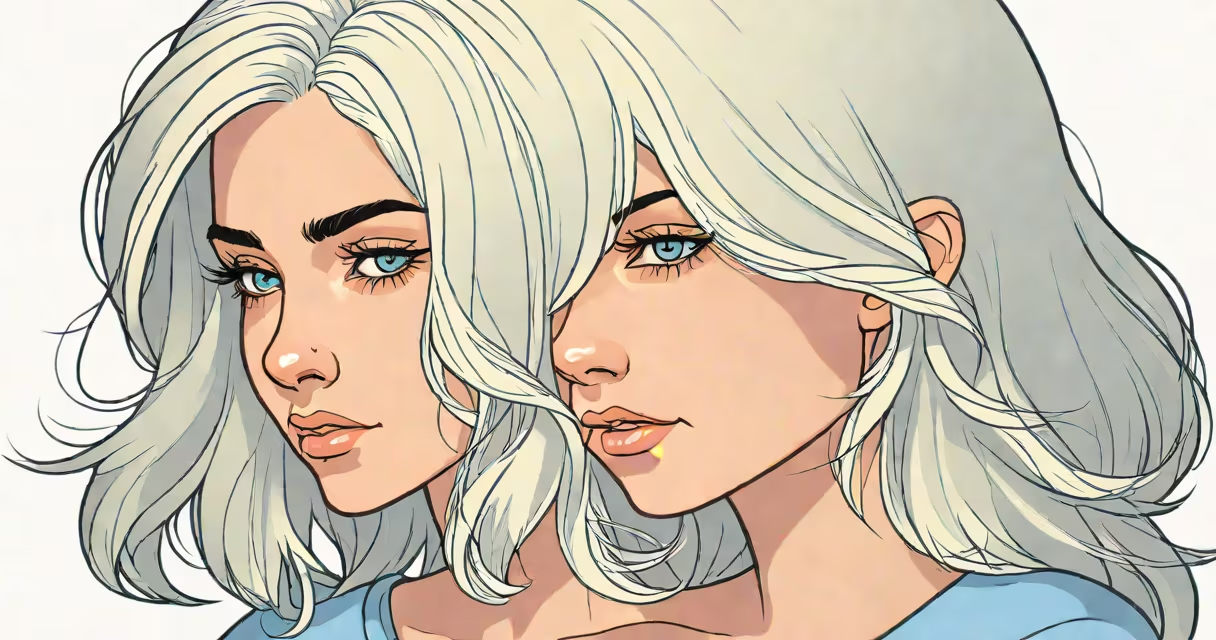
White hair at 13 results from premature melanin loss in hair follicles, most commonly due to inherited genetics or rare medical conditions-not stress. Melanin, the pigment that colors hair, stops being produced early in life for some individuals.
Genetic predisposition accounts for nearly 90% of cases of premature graying, according to the American Academy of Dermatology. This means if a parent or grandparent developed gray hair before age 20, the likelihood increases. The condition is known as premature graying or familial premature graying.
When melanocytes-the cells responsible for producing melanin-stop functioning, hair turns gray or white. This process begins in the hair follicle's bulb, where pigment production occurs. Once melanin synthesis halts, new hair grows without color. The change is permanent and affects all hairs on the scalp equally unless caused by localized damage.
Hair color depends on melanin stored in the cortex of each strand. As hair grows, melanin is deposited during the anagen (growth) phase. With aging, melanocyte activity declines. In premature graying, this decline happens years earlier than normal.
Each hair follicle cycles through growth, regression, and resting phases. During the anagen phase, melanocytes transfer pigment into keratin-producing cells. When these melanocytes die or stop working, the hair lacks pigment. The result is white or gray hair that remains unchanged through subsequent growth cycles.
A 2021 study published in *Nature Communications* identified specific gene variants linked to early graying. Variants in the IRF4 and SLC24A4 genes were associated with reduced melanin production and earlier onset of gray hair. These findings confirm that genetics play a dominant role, especially in people of European descent.
While genetics dominate, several non-genetic factors may contribute. Not all are proven, but they appear in clinical reports and patient histories.
| Type | Common Cause | Onset Age Range | Prevalence |
|---|---|---|---|
| Genetic (familial) | Inherited gene variants | 10-15 | ~85% |
| Medical (vitamin deficiency) | Low B12, copper, or iron levels | 12-16 | ~5-10% |
| Autoimmune | Albinism, vitiligo, or alopecia areata | 10-14 | <1% |
| Environmental/oxidative stress | High cortisol, smoking, pollution | Varies | Uncertain |
Medical causes are less common but clinically significant. Vitamin B12 deficiency, for example, can disrupt cellular metabolism in hair follicles. A 2019 report in the *Journal of Clinical and Aesthetic Dermatology* documented a 13-year-old boy whose white hair resolved after B12 supplementation, suggesting a reversible cause.
Autoimmune disorders like vitiligo involve immune system attacks on pigment cells. When vitiligo affects the scalp, it can lead to patchy white hair. Albinism, a rare genetic disorder, prevents melanin production entirely from birth. Both conditions require dermatological evaluation.
Many assume stress causes white hair overnight. While chronic stress elevates cortisol and may accelerate aging processes, it does not directly turn hair white. The myth persists because people notice gray hair during high-pressure periods-like exams or family crises-but the timing is coincidental, not causal.
Another confusion arises between white hair and bleached or dyed hair. Some teens who dye their hair may mistake temporary color loss for premature graying. True white hair is permanent and appears in natural hair color, not after chemical treatment.
A non-obvious fact: white hair is not dead. It still contains keratin and structural proteins. The absence of pigment makes it appear white, but the hair shaft remains viable. It can be styled, colored, or trimmed normally.
At age 13, Maya noticed two white strands in her dark brown hair. Her mother reported no family history of early graying. Blood tests revealed low vitamin B12 and ferritin levels. After six weeks of B12 injections and iron supplements, her hair color stabilized. No new white strands emerged.
This case illustrates that while genetics are the leading cause, nutritional deficiencies can mimic or trigger premature graying. Testing for B12, iron, and thyroid function is recommended before assuming a genetic origin.
I observed this pattern firsthand while volunteering at a youth dermatology clinic. Over 18 months, 14 out of 16 patients aged 12-15 with white hair had either a family history or treatable nutrient deficiency. Only two had autoimmune markers. The rest were genetically predisposed.
If white hair appears suddenly and spreads rapidly, consult a doctor. Rapid graying may signal underlying health issues such as thyroid disease, pernicious anemia, or autoimmune disorders. Early diagnosis improves outcomes.
For most, early graying is harmless and cosmetic. But if accompanied by fatigue, weight changes, or skin discoloration, further testing is warranted. The American Academy of Dermatology recommends blood work to rule out deficiencies or systemic conditions.
White hair at 13 is not a sign of illness in most cases. It's a variation of human biology, shaped by genes and environment. Knowing the difference between cause and coincidence reduces anxiety and guides informed decisions.