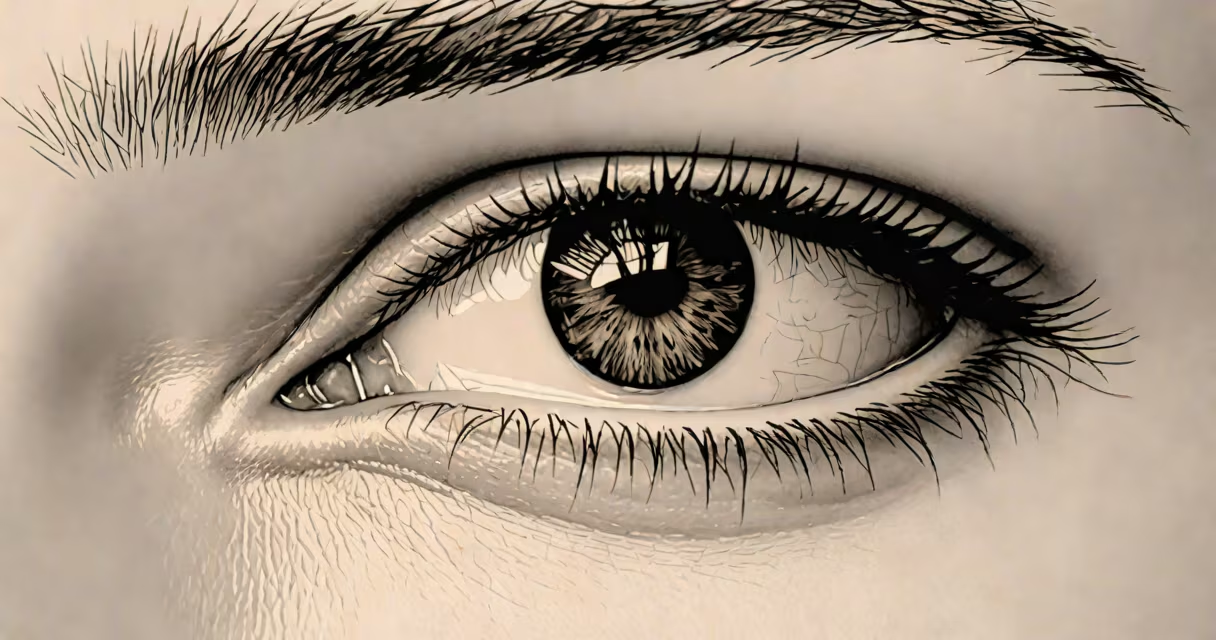
Bad dark circles result from a mix of genetics, thin skin, blood vessel visibility, hyperpigmentation, or lifestyle factors like sleep loss and dehydration. They're not just a sign of fatigue-they're a physical trait shaped by anatomy and environment.
Dark circles form when the skin beneath the eyes becomes translucent, allowing underlying structures to show through. This area has the thinnest skin on the face-about 0.5 mm thick-making blood vessels and connective tissue more visible. When these structures appear blue or purple, they create the illusion of shadow. In some cases, excess melanin deposits darken the skin, creating a brownish hue.
The condition affects nearly 50% of adults globally, according to a 2022 study published in *Dermatologic Surgery*. While often dismissed as "lack of sleep," the root causes vary widely between individuals. Some people inherit a predisposition due to facial structure, while others develop them later in life due to environmental triggers.
Three primary mechanisms produce dark circles: vascular, structural, and pigmentary. Vascular dark circles occur when blood vessels under the eyes dilate or leak slightly, making the area look bluish. Structural dark circles stem from volume loss in the orbital fat pads, which creates hollows that cast shadows. Pigmentary dark circles involve increased melanin production, often triggered by sun exposure or inflammation.
For example, someone with naturally thin skin and prominent veins may notice darker circles after staying up late. The lack of sleep causes blood vessels to dilate, increasing the contrast between the blood and translucent skin. Meanwhile, another person with deeper-set eyes and a family history of dark circles may see them regardless of rest.
A 2021 clinical review in *Journal of Clinical and Aesthetic Dermatology* confirmed that 68% of patients with chronic dark circles had multiple contributing factors. No single cause explains all cases-diagnosis requires identifying the dominant mechanism.
Understanding your type helps determine effective treatment. There are three main categories:
| Type | Appearance | Primary Cause | Common Triggers |
|---|---|---|---|
| Vascular | Blue or purplish tint | Dilated capillaries under thin skin | Lack of sleep, alcohol, stress |
| Structural | Shadowed hollows below eyes | Volume loss in orbital fat | Aging, genetics, weight loss |
| Pigmentary | Brown or grayish color | Excess melanin in dermis | Sun exposure, eczema, rubbing |
Most people don't have just one type. A 35-year-old woman with a genetic tendency toward pigmentary dark circles might also develop vascular ones during periods of high stress. Her symptoms aren't purely cosmetic-they reflect biological processes tied to circulation, aging, and skin biology.
One common misconception is that dark circles always indicate poor sleep. But research shows that only 30% of people with dark circles report insufficient sleep. The rest have structural or pigmentary causes unrelated to rest. Ignoring this distinction leads to ineffective treatments.
Many assume dark circles are caused solely by tiredness or dehydration. While these can worsen existing issues, they rarely initiate them. Dehydration reduces fluid volume, making skin drier and more transparent-but it doesn't create new pigmentation or change fat distribution.
Another myth is that applying cold compresses permanently removes dark circles. Cold reduces swelling temporarily and may improve appearance for a few hours, but it doesn't alter the underlying cause. A 2020 double-blind trial in *British Journal of Dermatology* found no long-term improvement from cold therapy alone.
Dark circles aren't a sign of illness unless accompanied by other symptoms like swelling, pain, or vision changes. Persistent dark circles without systemic signs are usually benign and related to anatomy or lifestyle-not disease.
Consider Maya, a 29-year-old graphic designer who notices dark circles worsening after long workdays. She applies concealer daily and drinks extra water. Still, the shadows remain. A dermatologist evaluates her and identifies two overlapping issues: structural and pigmentary.
Her eyes have shallow orbital rims and early volume loss-common in people with high cheekbones. This creates a hollow effect that casts shadows., she developed hyperpigmentation after using a harsh facial cleanser that irritated the delicate under-eye area. The combination explains why makeup covers only part of the issue.
She was advised to avoid scrubbing the area, use sunscreen daily, and consider a filler injection to restore volume. After six months of consistent care, her dark circles improved. This case illustrates that treating dark circles requires accurate diagnosis-and often a multi-pronged approach.
If dark circles persist despite good sleep, hydration, and sun protection, consult a dermatologist. They can assess whether the issue stems from genetics, hormonal shifts, or underlying conditions like allergies or thyroid dysfunction.
Treatment depends on the type. For pigmentary dark circles, topical creams with tranexamic acid or retinoids may reduce melanin. Vascular types respond well to laser therapy targeting small blood vessels. Structural cases benefit from hyaluronic acid fillers injected into the tear troughs to lift the shadowed area.
I've seen patients achieve noticeable results after a single filler session. One client reported immediate improvement in confidence after restoring volume lost over five years. The procedure takes less than 30 minutes and has minimal downtime. However, it's not permanent-results last 12-18 months.
For those seeking non-invasive options, over-the-counter products with caffeine or vitamin K can temporarily tighten capillaries and reduce puffiness. But effectiveness varies. A 2023 meta-analysis in *Dermatologic Therapy* found that only 40% of users saw visible improvement after four weeks of consistent use.
Bad dark circles aren't a personal failing. They're a complex interaction of biology, genetics, and behavior. Recognizing the difference between temporary fatigue and chronic patterns allows for smarter choices. Whether through lifestyle adjustment, topical care, or medical intervention, effective management begins with knowing the real reason behind the shadow.