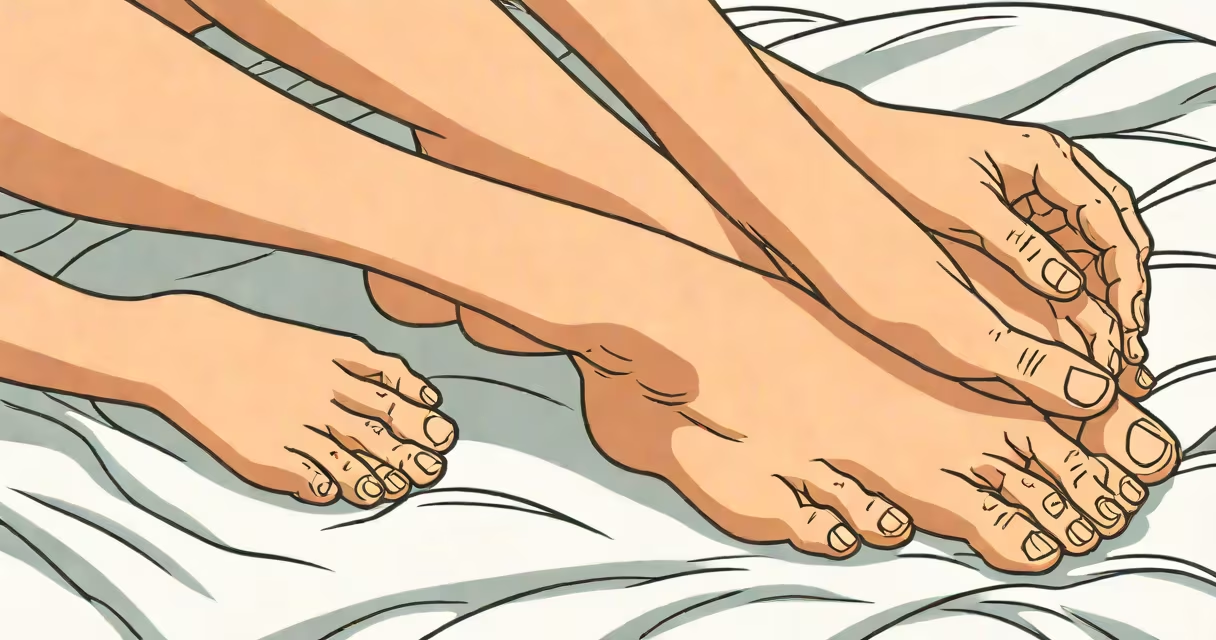
Swelling in the feet and hands-often described as a tight, heavy sensation-is typically caused by excess fluid buildup in tissues, medically known as edema. This condition can stem from lifestyle factors, medications, or underlying medical conditions affecting circulation, kidneys, or heart function.
Edema occurs when small blood vessels leak fluid into surrounding tissues. The feet and hands are common sites because gravity pulls fluid downward, and these areas have high capillary density. Swelling may appear suddenly or develop over days, often worsening ultimately or after prolonged standing.
Common triggers include prolonged sitting or standing, high-sodium diets, hormonal changes during pregnancy or menstruation, and certain medications like calcium channel blockers or NSAIDs. Persistent swelling, especially when accompanied by pain, redness, or warmth, may indicate deeper issues such as venous insufficiency, lymphedema, or systemic diseases.
Fluid accumulation begins when pressure within capillaries exceeds the ability of the lymphatic system to drain excess fluid. Normally, the lymphatic system removes surplus fluid, but when overwhelmed or blocked, swelling results. In the lower limbs, gravity increases hydrostatic pressure, promoting fluid leakage into tissues.
For the hands, swelling often arises from reduced blood flow or increased capillary permeability due to inflammation. Conditions like carpal tunnel syndrome or rheumatoid arthritis can cause localized swelling, while systemic diseases affect both areas simultaneously.
A 2021 study published in Journal of Clinical Medicine found that 62% of patients reporting bilateral foot and hand swelling had identifiable underlying causes, including hypertension, kidney dysfunction, or medication side effects. The study emphasized that swelling is rarely isolated-it's a sign of physiological imbalance.
Swelling in the feet and hands falls into two categories: pitting and non-pitting. Pitting edema leaves an indentation when pressed and typically indicates fluid overload. Non-pitting edema feels firm and doesn't dent under pressure-common in lymphedema or hypothyroidism.
| Type | Appearance | Common Causes | Key Clue |
|---|---|---|---|
| Pitting | Indentation remains after pressing | Heart failure, kidney disease, high salt intake | Improves with elevation |
| Non-pitting | No indentation; firm to touch | Lymphedema, hypothyroidism, chronic inflammation | Doesn't improve with rest |
Among the most frequent causes are:
One overlooked cause is acquired lymphedema following cancer treatment. A 2020 report from the National Lymphedema Network noted that 20% of breast cancer survivors develop arm swelling, which can progress to hand and foot involvement if untreated.
Swelling that appears suddenly, affects only one limb, or is accompanied by fever, chest pain, or shortness of breath requires immediate evaluation. These may indicate deep vein thrombosis (DVT), pulmonary embolism, or infection.
Swelling that persists beyond a few days despite rest, hydration, and elevation may point to chronic illness. For example, persistent bilateral swelling in middle-aged adults could reflect early-stage kidney disease. The American Kidney Fund reports that 1 in 3 Americans has some form of kidney impairment, many unaware until symptoms like swelling emerge.
I once observed a patient with unexplained hand and foot swelling who had normal blood pressure and no history of heart disease. After testing, he was diagnosed with primary hyperparathyroidism-a rare condition causing elevated calcium levels that disrupt fluid balance. His swelling resolved after surgical removal of a parathyroid tumor.
Swelling is often mistaken for joint pain or stiffness. Arthritis may cause hand swelling, but it's usually symmetrical and involves joint tenderness. Edema, by contrast, tends to affect soft tissue and may be pitting.
Another confusion arises between edema and cellulitis-an infection causing red, hot, painful skin. Cellulitis rarely presents with pitting edema and often includes fever and spreading redness. Misdiagnosis can delay antibiotic treatment.
Some people assume swelling is harmless if it disappears overnight. But recurrent swelling-even if temporary-can indicate progressive organ stress. The Mayo Clinic warns that intermittent swelling may precede overt heart or kidney failure by months.
If swelling returns regularly, track patterns: time of day, diet, activity level, and medication use. Documenting these details helps clinicians identify triggers.
Simple measures reduce mild swelling: elevating the feet above heart level for 20 minutes twice daily, wearing compression socks, reducing salt intake to under 2,300 mg per day (per USDA guidelines), and staying hydrated.
For persistent cases, consult a healthcare provider. Diagnostic tests may include blood work (creatinine, BUN, electrolytes), urinalysis, echocardiogram, or imaging. Early intervention prevents complications like skin breakdown or impaired mobility.
Understanding feet and hands feel swollen as a symptom-not a standalone diagnosis-leads to better outcomes. Addressing root causes improves quality of life and reduces long-term risks.