After vomiting due to morning sickness, focus on small portions of bland, low-odor, low-fat foods that are easy to digest. Reintroduce food gradually to avoid triggering more nausea. This approach supports recovery and prevents dehydration.
Morning sickness affects up to 80% of pregnant individuals, often peaking between weeks 6 and 10 of gestation. Vomiting disrupts nutrient intake and fluid balance. The goal is to restore hydration and energy without overwhelming the stomach. The American College of Obstetricians and Gynecologists (ACOG) recommends starting with sips of clear fluids before progressing to solid foods.
Begin with clear liquids such as water, weak tea, or oral rehydration solutions containing sodium and potassium. Once tolerance improves, introduce soft, low-fiber foods. Avoid spicy, greasy, or strongly scented items. Wait at least 30 minutes after vomiting before attempting to eat. Start with just a few spoonfuls of something mild.
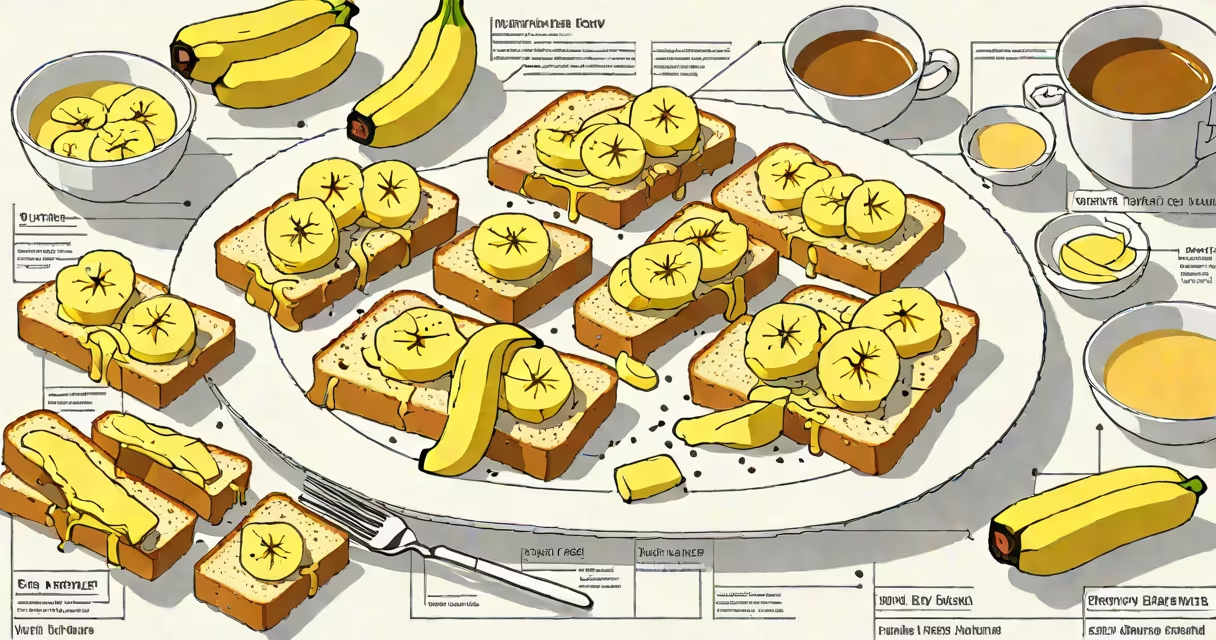
Bland, starchy foods are most effective because they coat the stomach lining and absorb excess acid. The BRAT diet-bananas, rice, applesauce, and toast-is widely recommended for gastrointestinal upset, including pregnancy-related nausea.
Bananas provide potassium, which helps replace electrolytes lost during vomiting. A medium banana contains about 422 mg of potassium. White rice is low in fiber and easily digested. Toast made from refined white bread offers carbohydrates without irritation. Applesauce provides pectin, a soluble fiber that soothes the digestive tract.
Other safe options include plain crackers, oatmeal (without added sugar), boiled potatoes, and low-fat yogurt. Yogurt contains probiotics linked to reduced nausea duration in some studies. A 2021 review in the journal Frontiers in Nutrition found that probiotic supplementation during early pregnancy was associated with a 25% reduction in nausea severity.
| Foods | Why They Work | Portion Size |
|---|---|---|
| Bananas | High potassium, low acidity, easy to chew | ½ to 1 fruit |
| White rice | Low fiber, binds loose stool, absorbs acid | ¼ cup cooked |
| Plain toast | Starch coats stomach, minimal odor | 1 slice, no butter |
| Applesauce (unsweetened) | Pectin reduces gut irritation | ¼ cup |
One common mistake is jumping to protein-heavy meals too soon. Meat, eggs, and dairy can trigger nausea due to their smell and fat content. Wait until the stomach stabilizes before introducing these. If hunger returns after 2-3 hours, eat another small portion of the same foods.
Eat slowly and in small bites. Chew thoroughly. Stop eating when you feel full-even if you're still hungry. Overeating increases the risk of regurgitation.
Wait at least 30 minutes after vomiting before trying food. Start with 1-2 tablespoons of liquid or soft food. If no nausea occurs within 1 hour, increase portion size slightly. Repeat every 2-3 hours. This pacing prevents overwhelming the system.
A real-world example: Sarah, a 28-year-old expecting her first child, woke up with morning sickness and vomited twice. She sipped water for 15 minutes, then ate half a banana and one piece of dry toast. She felt stable after 45 minutes. By noon, she had eaten another banana and a small bowl of plain rice. She avoided coffee and citrus fruits entirely for the rest of the day. Her symptoms improved by the next morning.
Some people believe that eating immediately after vomiting helps. This is incorrect. The stomach needs time to calm. Forcing food can cause more nausea or reflux. The stomach lining is sensitive after vomiting, and irritants worsen inflammation.
Another error is consuming sugary drinks or fruit juices. While they may seem soothing, high sugar content can draw fluid into the intestines and worsen nausea. A 2019 study in Obstetrics & Gynecology showed that women who consumed sugary beverages during episodes of nausea were 40% more likely to report worsening symptoms.
Some assume that ginger is a cure-all. While ginger supplements show modest benefit in reducing nausea, they don't replace dietary management. A 2020 Cochrane review concluded that ginger reduced nausea severity by 1.5 points on a 10-point scale but did not prevent vomiting in most cases.
If vomiting persists beyond 24 hours, or if you cannot keep down fluids, contact a healthcare provider. Dehydration signs include dark urine, dizziness, and fatigue. Severe morning sickness, known as hyperemesis gravidarum, affects about 1 in 200 pregnancies and requires medical treatment.
Recovery is not linear. Some days will be better than others. Focus on consistent, small steps. You don't need to eat perfectly-just enough to stay hydrated and nourished. As your body adapts, you'll find foods that work better individually.