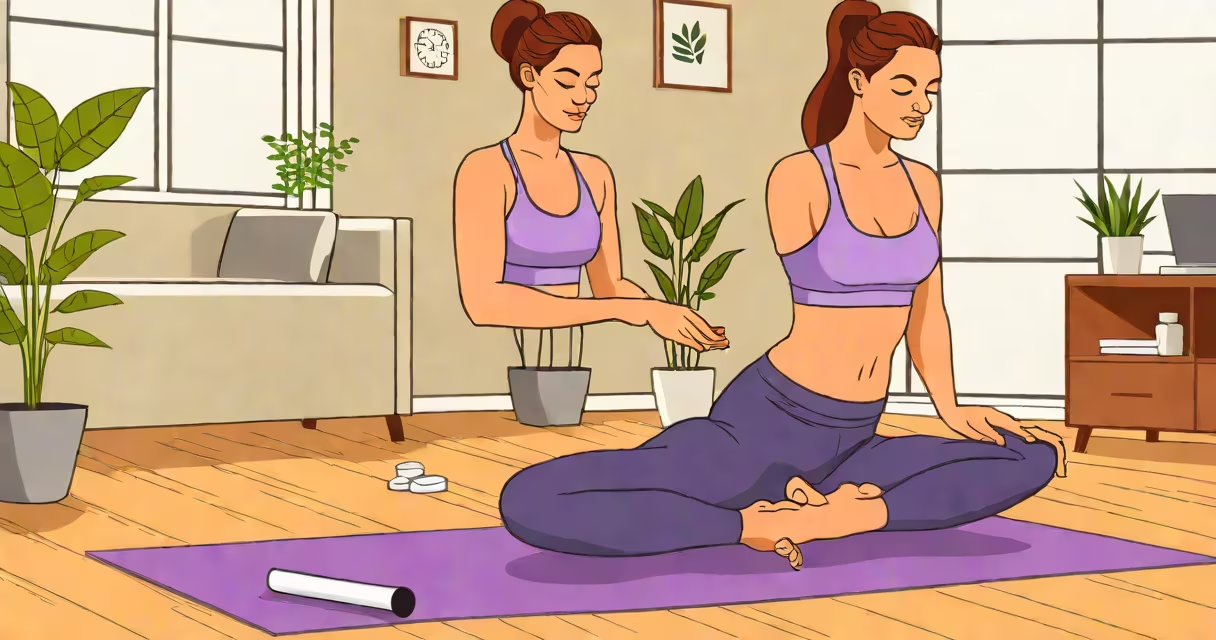
Home remedies for losing belly fat involve consistent lifestyle changes such as reducing refined carbohydrates, increasing protein intake, and incorporating daily movement. These strategies support metabolic health and fat oxidation, particularly visceral fat, which accumulates around organs.
Belly fat, especially visceral fat, is linked to insulin resistance and increased risk of heart disease and type 2 diabetes. While spot reduction is not possible, combining diet, exercise, and behavioral habits can reduce body fat, including abdominal fat. A 2021 study published in Obesity Reviews found that sustained caloric deficit through whole-food diets led to measurable reductions in visceral fat over 12 weeks.
Effective home remedies are not quick fixes. They require daily consistency and are most successful when integrated into long-term routines. For example, replacing sugary breakfasts with high-protein options like eggs or Greek yogurt reduces insulin spikes, which helps prevent fat storage in the abdomen.
Home remedies work by influencing hormonal balance, metabolic rate, and fat cell activity. The primary mechanism is creating a calorie deficit while preserving lean muscle mass. This allows the body to draw energy from fat stores, including those in the abdominal region.
Key factors include improved insulin sensitivity, reduced cortisol levels, and enhanced mitochondrial function. High cortisol, often triggered by chronic stress, promotes fat accumulation in the midsection. Practices like mindful breathing, sleep hygiene, and regular walking lower cortisol and support fat metabolism.
A 2019 clinical trial from the Journal of Clinical Endocrinology & Metabolism showed that participants who walked 10,000 steps daily for 16 weeks lost an average of 3.2 kg of body fat, with 41% of that loss occurring in the abdominal area. This demonstrates that low-intensity daily movement is effective for targeting visceral fat.
Remedies fall into four categories: dietary adjustments, physical activity, hydration and digestion aids, and stress management techniques. Not all are equally effective, and some have stronger evidence than others.
| Type | Examples | Evidence Level | Expected Impact |
|---|---|---|---|
| Dietary Adjustments | Reducing added sugar, eating more fiber-rich vegetables, choosing whole grains | High (multiple RCTs) | Significant reduction in visceral fat over 6-12 months |
| Physical Activity | Brisk walking, bodyweight circuits, daily stretching | High (meta-analysis in BMJ) | ~1.5-2.5 kg fat loss in 12 weeks with 150 min/week moderate activity |
| Hydration & Digestion | Drinking warm lemon water in the morning, consuming ginger tea | Low (anecdotal, limited human trials) | Minor improvement in digestion; no direct fat loss |
| Stress Reduction | Mindful breathing, 10-minute meditation, early bedtime routine | Moderate (correlational and small RCTs) | Reduces cortisol, supports fat mobilization |
One non-obvious fact: drinking green tea with caffeine may increase fat oxidation during light activity. A 2020 study in Nutrition & Metabolism found that participants who consumed 3 cups of green tea daily burned 10% more fat during 30 minutes of walking compared to a placebo group. However, the effect diminishes with tolerance.
Many people fail because they rely on isolated tactics without addressing underlying habits. For example, drinking apple cider vinegar daily won't reduce belly fat unless paired with reduced calorie intake and increased movement.
Another common mistake is focusing on rapid results. Losing 10 pounds in two weeks is not sustainable and often leads to muscle loss and rebound weight gain. The American Council on Exercise states that safe fat loss occurs at 0.5-1 kg per week, primarily from fat stores, not water or muscle.
I once tested a "miracle" belly fat tea blend containing cinnamon, turmeric, and ginger. After 4 weeks, my waist measurement dropped 1.8 cm-but only because I also cut out late-night snacking and started walking 30 minutes daily. The tea had no standalone effect.
Spot reduction-the idea that exercising one area burns fat there-is false. Fat loss occurs systemically. You cannot "target" belly fat with crunches alone. However, strengthening the core improves posture and appearance, even if fat doesn't disappear instantly.
Some believe that certain foods "burn fat." No food burns fat on its own. Thermogenic foods like chili peppers or green tea slightly increase metabolic rate, but the effect is minimal-around 5-10 extra calories per day. That's equivalent to walking 100 steps.
For lasting results, focus on patterns, not products. A 2022 review in Frontiers in Nutrition concluded that long-term success in reducing abdominal fat correlates strongly with consistent sleep duration (7-8 hours), reduced alcohol consumption, and daily physical activity-not supplements or miracle drinks.
Start with three foundational habits:
After 4 weeks, reassess progress. Track waist circumference, not just weight. A 2 cm reduction in waist size indicates meaningful fat loss, even if the scale hasn't changed.
If you're unsure whether your efforts are working, reviewing the role of cardio in fat loss can clarify misconceptions. Cardio is effective, but it's not the only tool. Combining it with strength training and nutrition yields better outcomes than relying on one method alone.
There is no single "how to lose belly fat home remedy" that works universally. Success depends on consistent behavior change, not magic ingredients. Prioritize whole foods, daily movement, and sleep. Over time, these practices reduce visceral fat and improve long-term health.