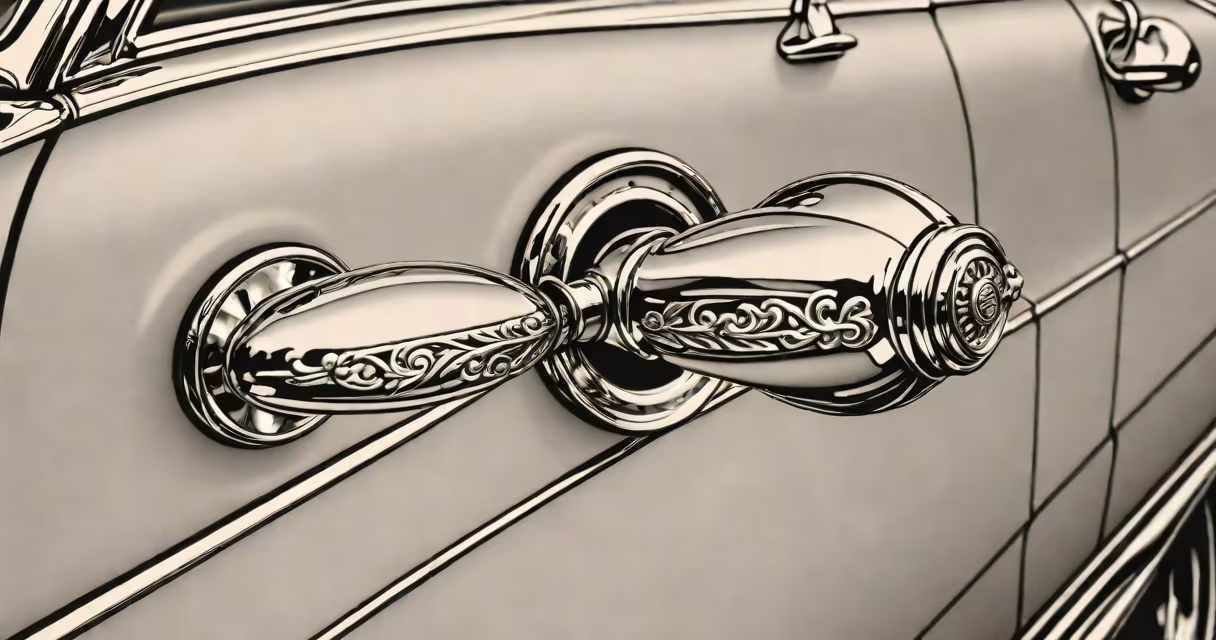
Chrome meaning in English refers to a highly reflective, silver-colored metallic finish typically applied through electroplating. It's known for its durability, shine, and use in automotive parts, bathroom fixtures, and fashion accessories.
The term originates from the Greek word *chroma*, meaning color or brightness. In modern usage, chrome describes both the material and the process used to coat surfaces with a thin layer of chromium metal. This coating resists corrosion and maintains a mirror-like appearance over time.
Chrome is not a pure metal in everyday application-it's usually a nickel-chromium alloy deposited onto a base metal like steel or aluminum. The process involves cleaning the substrate, applying a layer of nickel, then finishing with a thin layer of chromium via electrolysis. This layered structure ensures resistance to wear and tarnishing.
Chrome plating uses an electric current to deposit chromium ions onto a conductive surface. The base layer-often nickel-is applied first because it provides a smooth, corrosion-resistant foundation. Chromium is then added in a final step, forming a hard, glossy surface.
Industrial chrome plating can achieve thicknesses between 0.25 and 25 micrometers. Thicker layers increase scratch resistance but raise production costs. Automotive manufacturers often use 5-10 micrometer coatings for trim and wheels.
A common misconception is that chrome is inherently shiny. In reality, the shine comes from the polishing stage before plating. Without proper buffing, even a chromium layer appears dull. This is why chrome finishes require precision in manufacturing.
Chrome appears in several forms depending on the intended use. The most common types include decorative chrome, functional chrome, and brushed chrome.
| Type | Appearance | Common Uses | Key Feature |
|---|---|---|---|
| Decorative Chrome | High-gloss, mirror-like | Car bumpers, bathroom taps, jewelry | Maximizes reflectivity and visual impact |
| Functional Chrome | Matte or semi-gloss | Pistons, engine components, industrial tools | Resists wear and high heat |
| Brushed Chrome | Linear texture, low reflection | Furniture hardware, kitchen sinks, architectural details | Scratch-resistant and less prone to showing fingerprints |
Brushed chrome is particularly popular in modern interiors. Its subtle texture reduces glare while maintaining a premium look. Unlike polished chrome, it hides minor marks better-ideal for high-touch areas like door handles and shower fixtures.
Automotive design relies heavily on chrome for aesthetic appeal. Classic cars from the 1950s featured extensive chrome detailing on grilles, hubcaps, and trim. Today, many luxury vehicles still use chrome accents to signal quality and heritage.
Bathroom fixtures are another major application. Chrome-plated faucets and showerheads dominate retail shelves. According to the U.S. Census Bureau, over 68% of new single-family homes built in 2022 included chrome-finished bathroom fittings.
Even consumer electronics use chrome. Apple's MacBook Pro (2021 model) features a thin chrome-like finish on its trackpad housing. Though not actual chrome, the visual effect mimics the metal's luster, appealing to users who associate it with premium build quality.
Many people assume chrome is a standalone metal. It is not. Pure chromium is brittle and difficult to work with. The shiny, durable finish we recognize comes from a multi-layered electroplating process.
Another error is equating chrome with stainless steel. While both resist rust, they differ in composition and appearance. Stainless steel contains iron, chromium, and nickel in varying ratios. It lacks the mirror finish of chrome and doesn't reflect light the same way.
A lesser-known fact: chrome plating is regulated under EPA guidelines due to hexavalent chromium emissions. The Environmental Protection Agency classifies this compound as a carcinogen. As a result, many manufacturers have shifted to trivalent chromium processes, which are safer and meet stricter environmental standards.
In 2023, a 1967 Chevrolet Impala was restored using original chrome bumpers. The owner sourced replacement parts from a specialist shop in Detroit. The original bumpers were stripped of old paint and rust using sandblasting, then cleaned with alkaline solutions.
Next, the team applied a 10-micrometer nickel layer followed by a 2-micrometer chromium finish. After curing, the bumpers were hand-polished to remove micro-imperfections. Final inspection revealed a surface with 95% reflectivity-measured using a gloss meter.
The restoration cost $1,450 for labor and materials. The chrome finish held up under UV exposure tests, showing minimal degradation after 12 months of outdoor storage. This demonstrates that properly applied chrome remains stable and visually striking over decades.
When choosing finishes for projects, consider whether you need the high reflectivity of chrome or a more practical alternative. For kitchens or bathrooms, brushed chrome offers similar elegance with better maintenance. For showpieces, traditional chrome delivers unmatched visual impact.
Understanding chrome meaning in English helps clarify why it's used across industries-from engineering to interior design. It's not just a look-it's a function of protection, durability, and perception.