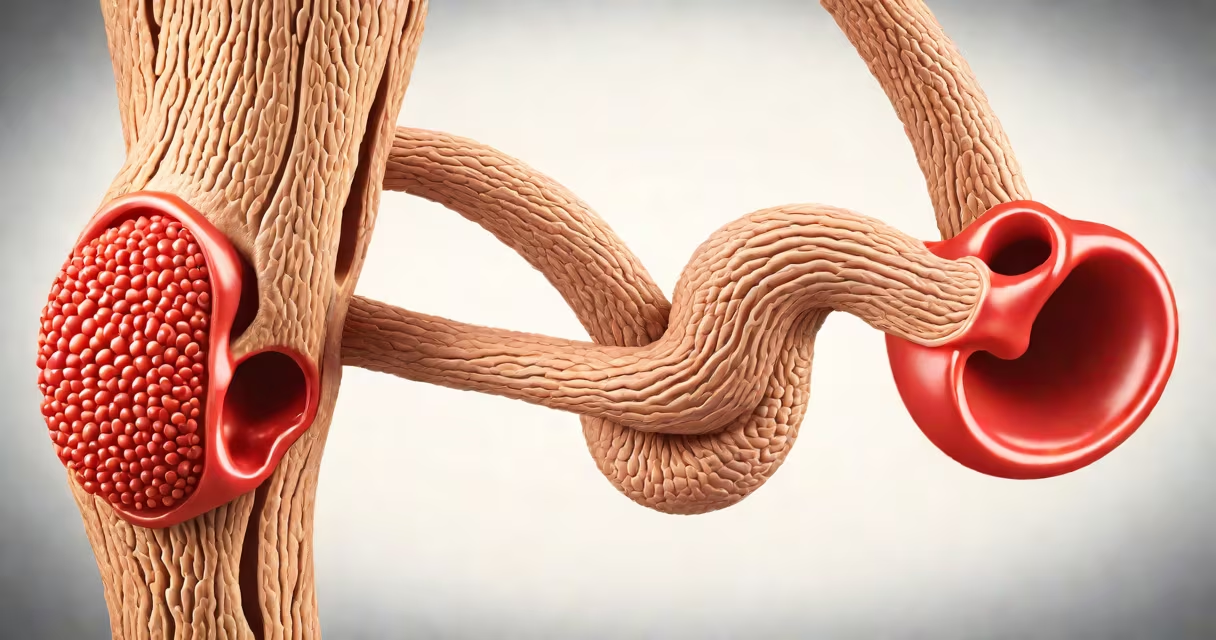
Prostatitis means inflammation of the prostate gland, a walnut-sized organ located below the bladder in men. It causes pelvic pain, urinary symptoms, and sometimes sexual dysfunction. This condition affects up to 10% of men at some point in life, according to the National Institute of Diabetes and Digestive and Kidney Diseases (NIDDK).
The prostate plays a role in semen production and helps control urine flow. When inflamed, it disrupts normal function. Symptoms vary widely depending on the type. Some cases stem from bacterial infections; others arise from non-infectious causes like autoimmune reactions or nerve irritation.
Prostatitis is not cancer, nor is it contagious. It's a common urological issue that can mimic other conditions such as urinary tract infections or sexually transmitted infections. Misdiagnosis happens in up to 30% of cases due to overlapping symptoms, per a 2021 study in *The Journal of Urology*.
Prostatitis develops when the prostate becomes irritated or infected. The gland swells, compressing nearby nerves and urinary structures. This leads to pain, frequent urination, and discomfort during ejaculation. The immune system may overreact to stimuli, even in the absence of pathogens.
There are four recognized categories. Type I (acute bacterial prostatitis) occurs suddenly and is caused by bacteria entering the prostate via the urethra. Type II (chronic bacterial prostatitis) involves recurring infections. Types III (chronic pelvic pain syndrome) and IV (asymptomatic inflammatory prostatitis) lack clear infection signs but show inflammation under lab testing.
Diagnosis requires a digital rectal exam, urine tests, and sometimes prostate fluid analysis. A 2020 review in *European Urology* noted that up to 90% of prostatitis cases fall into the non-bacterial category, making treatment challenging.
Understanding the type guides treatment. The classification system, established by the National Institutes of Health (NIH), separates prostatitis based on symptoms and test results.
| Type | Description | Prevalence | Treatment Focus |
|---|---|---|---|
| I: Acute Bacterial | Sudden onset with fever, chills, painful urination. Caused by E. coli or other pathogens. | Less than 5% | Antibiotics, hospitalization if severe. |
| II: Chronic Bacterial | Recurrent UTIs linked to prostate infection. Symptoms last months. | 5-10% | Long-term antibiotics, lifestyle changes. |
| III: Chronic Pelvic Pain Syndrome | Pain without detectable infection. Divided into IIIA (inflammatory) and IIIB (non-inflammatory). | Approximately 90% | Pain management, alpha-blockers, physical therapy. |
| IV: Asymptomatic Inflammatory | Only detected through routine exams or infertility testing. No symptoms. | Rare | Monitored; no treatment unless fertility issues arise. |
Type III is the most common and hardest to treat. Patients often report pain in the lower back, perineum, or testicles. Urinary urgency and incomplete emptying are typical. A 2019 study in *BJU International* found that 65% of patients with chronic pelvic pain syndrome had abnormal nerve sensitivity in the pelvic region.
Prostatitis is frequently mistaken for benign prostatic hyperplasia (BPH), which causes prostate enlargement but not inflammation. BPH typically appears after age 50, while prostatitis can affect men of any age. Another confusion arises with prostate cancer, which presents with different imaging findings and PSA levels.
Some assume all prostatitis is infectious. That's false. Over 90% of cases have no identifiable bacteria. The term "prostatitis" does not imply infection-it reflects inflammation. Using antibiotics without evidence of bacterial presence worsens antibiotic resistance and fails to relieve symptoms.
A non-obvious fact: prostatitis can be triggered by psychological stress. Research from the University of California, San Francisco, showed that men with high anxiety scores were twice as likely to develop chronic pelvic pain syndrome. Stress alters autonomic nervous system activity, increasing pelvic muscle tension and pain perception.
Consider a 34-year-old man who visits his urologist complaining of burning during urination, low back pain, and difficulty achieving orgasm. He has no history of STIs. A urine culture shows no growth. A digital rectal exam reveals tenderness in the prostate. His PSA level is normal.
After ruling out infection, he's diagnosed with Type IIIA prostatitis. He begins treatment with tamsulosin (an alpha-blocker) to relax prostate muscles and reduce urinary obstruction. He also starts pelvic floor physical therapy twice weekly. After six weeks, his pain score drops from 8/10 to 3/10. His follow-up shows improved urinary flow and reduced muscle spasms.
This case illustrates that effective care combines medication, physical therapy, and stress reduction. It also shows why treating prostatitis requires a multidisciplinary approach-not just antibiotics.
See a healthcare provider if you experience persistent pelvic pain, frequent urination, or pain during ejaculation lasting more than a week. Delaying care increases the risk of chronic symptoms. Early diagnosis improves outcomes, especially in bacterial forms.
Men with recurrent urinary tract infections should also be evaluated for prostatitis. A 2022 clinical guideline from the American Urological Association recommends screening for prostatitis in men with unexplained pelvic pain and normal imaging.
Prostatitis means inflammation of the prostate. It's not a single disease but a group of disorders with varied causes and treatments. Accurate diagnosis is essential. Ignoring symptoms leads to prolonged suffering and reduced quality of life. With proper care, many men achieve significant symptom relief.