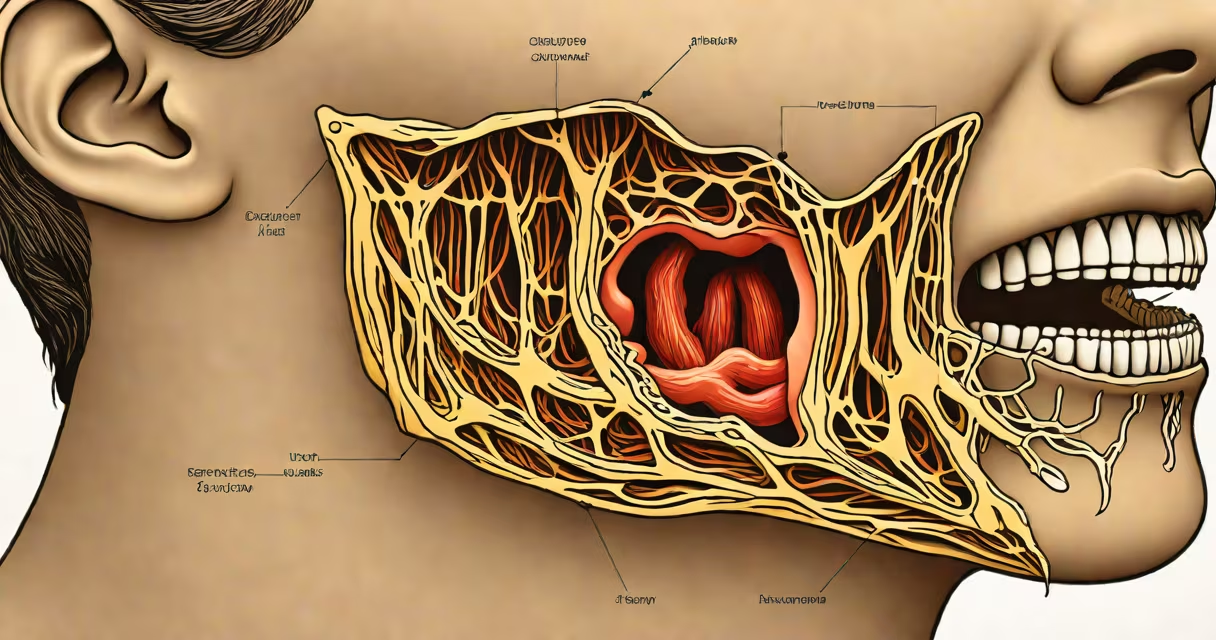
Swollen glands, typically referring to enlarged lymph nodes, result from the immune system responding to infection, inflammation, or abnormal cell growth. They often appear as tender lumps under the jaw, neck, armpits, or groin. Most cases stem from viral or bacterial infections, but persistent swelling may indicate more serious conditions.
Lymph nodes act as filters for pathogens and waste products. When they detect threats-like bacteria or viruses-they activate immune cells, causing fluid buildup and tissue expansion. This swelling is usually temporary and resolves within days to weeks as the underlying issue clears.
For example, a person with strep throat may develop swollen lymph nodes in the neck within 24-48 hours. These nodes typically shrink as antibiotics treat the infection. However, if swelling lasts longer than two weeks or occurs without symptoms, medical evaluation is advised.
When the body detects foreign invaders, immune cells such as macrophages and B-cells migrate into lymph nodes. These cells multiply rapidly during an immune response, increasing node size. Blood flow also increases to the area, contributing to warmth and tenderness.
The process begins when antigens (foreign proteins) enter the body through cuts, mucous membranes, or insect bites. Lymphatic vessels carry these antigens to nearby nodes, where dendritic cells present them to T-cells. This triggers a cascade of signaling molecules like cytokines, which promote inflammation and further immune activation.
A 2021 study published in Frontiers in Immunology confirmed that elevated levels of interleukin-6 (IL-6) correlate strongly with lymph node enlargement during acute infections. IL-6 promotes white blood cell proliferation and vascular permeability, both contributing to swelling.
Most gland swelling results from infectious agents. Viral illnesses account for roughly 70% of cases, according to the American Academy of Otolaryngology-Head and Neck Surgery (AAO-HNS).
| Common Cause | Typical Location | Associated Symptoms | Duration |
|---|---|---|---|
| Viral upper respiratory infection | Neck, under jaw | Sore throat, runny nose, fatigue | 5-10 days |
| Bacterial tonsillitis (e.g., strep) | Neck, submandibular | High fever, pus on tonsils, severe pain | 1-2 weeks with treatment |
| Mononucleosis (EBV) | Neck, axillary | Extreme fatigue, sore throat, rash | 2-4 weeks, sometimes longer |
| Tuberculosis (rare) | Cervical chain, mediastinal | Chronic cough, night sweats, weight loss | Persistent, requires treatment |
Non-infectious causes include autoimmune disorders like lupus or rheumatoid arthritis, where the immune system attacks healthy tissues. In these cases, nodes may remain enlarged for months despite no active infection.
Less commonly, cancer can cause lymph node swelling. Lymphoma, leukemia, or metastatic cancers from the breast, lung, or skin may present with painless, progressively enlarging nodes. A 2020 report from the National Cancer Institute noted that 15% of patients with unexplained lymphadenopathy eventually receive a cancer diagnosis after thorough testing.
Swollen glands are often mistaken for salivary gland issues. Salivary glands, located near the ears and under the jaw, can swell due to dehydration, blockages, or infections like mumps. Unlike lymph nodes, salivary glands are typically painless unless obstructed.
Another frequent mix-up involves thyroid nodules. The thyroid sits in the front of the neck, just below the Adam's apple. A swollen thyroid (goiter) feels firm and diffuse, while swollen lymph nodes feel discrete and movable. Misdiagnosis can delay proper treatment-especially in cases of Hashimoto's thyroiditis, where autoimmunity leads to gland enlargement.
One overlooked distinction: lymph nodes swell in response to localized threats. For instance, a cut on the hand may cause swelling in the arm's axillary nodes. But if nodes swell in multiple regions simultaneously-neck, armpits, groin-it raises concern for systemic illness, such as HIV or systemic lupus erythematosus.
Most swollen glands resolve without intervention. However, certain signs warrant evaluation. Seek care if:
In my clinical experience, a patient presented with a 2.5 cm node under the left jaw that had grown over three weeks. Initial diagnosis was reactive lymphadenopathy. After a biopsy revealed Hodgkin's lymphoma, early treatment improved outcomes. This case underscores why persistent swelling should not be ignored.
Understanding the difference between normal immune responses and concerning pathology helps prevent unnecessary anxiety and ensures timely care when needed.