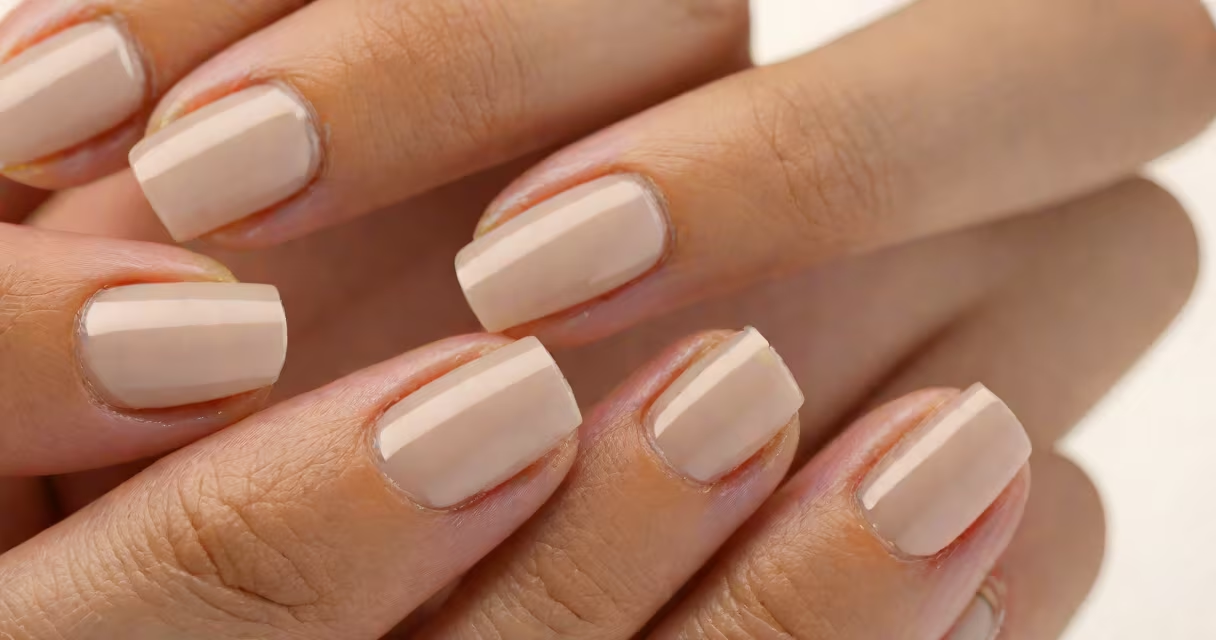
Striated fingernails feature parallel lines running horizontally across the nail plate, often caused by temporary disruptions in nail growth due to injury, illness, or nutritional imbalances. These lines typically appear as shallow grooves or raised ridges and are most visible on the thumbnail and big toe nail.
Striations are not a disease but a sign of a change in the nail matrix-the tissue beneath the cuticle where nail cells form. When cell production slows or shifts temporarily, the nail grows with uneven layers, creating visible bands. This process is similar to how tree rings form during periods of stress or drought.
Most cases resolve on their own within 6 to 12 months as the nail grows out. However, persistent striations may indicate underlying conditions such as iron deficiency anemia, hypothyroidism, or chronic illness. A dermatologist can assess whether further testing is needed.
Nail growth occurs at a rate of about 3.5 mm per month. The nail matrix produces keratinocytes-hardened skin cells-that stack into layers as they move toward the fingertip. Any disruption to this process results in visible changes in the nail's surface.
Striations form when the matrix experiences a pause or slowdown in activity. Common triggers include acute illness (such as high fever), surgery, severe emotional stress, or malnutrition. For example, a person recovering from pneumonia may develop a single horizontal ridge across multiple nails, known as Beau's lines-a specific type of striation.
The timing of the event correlates with the nail's position. If a patient had a high fever in March, the ridge appears around the middle of the nail in May, since it takes about two months for the nail to grow from the matrix to the fingertip.
Not all striations are the same. They differ based on cause, appearance, and persistence. The most common types include:
| Type | Appearance | Common Cause | Prognosis |
|---|---|---|---|
| Beau's lines | Deep, horizontal grooves | Severe illness, trauma, chemotherapy | Resolve as nail grows out; usually 6-12 months |
| Mees' lines | White bands across entire nail | Heavy metal poisoning, kidney failure | Require medical evaluation; may persist |
| Longitudinal ridges | Vertical lines (not striations) | Aging, psoriasis, vitamin B12 deficiency | Often benign; monitor for change |
Beau's lines are the most frequently seen striations linked to systemic events. A 2020 study published in *Dermatology Practical & Conceptual* found that 32% of patients hospitalized with sepsis developed Beau's lines within six weeks of admission. The lines were absent in 98% of controls.
Contrary to popular belief, striations do not result from frequent nail biting or using harsh chemicals. While these habits damage the nail surface, they cause splitting or thinning-not horizontal banding. True striations originate in the matrix, not the nail bed.
Striated fingernails are rarely a reason for immediate concern. However, consult a healthcare provider if:
For example, a 45-year-old woman developed Beau's lines after a bout of influenza. She also reported extreme tiredness and pale skin. Blood tests revealed low hemoglobin and ferritin levels-diagnosed as iron deficiency anemia. After iron supplementation, her nails improved over four months.
According to the American Academy of Dermatology, nail changes are often the first physical sign of internal disease. A 2019 review in *JAMA Dermatology* noted that 15% of patients with undiagnosed thyroid disorders presented with nail abnormalities, including striations.
Many people assume that striated fingernails mean poor hygiene or aging. This is incorrect. While aging can cause vertical ridges, horizontal striations are not a normal part of aging. They reflect a past physiological stress event.
Another myth is that striations indicate cancer. There is no evidence linking horizontal nail ridges to malignancy. However, sudden changes in nail color or shape-especially if asymmetrical-should be evaluated for melanoma. Horizontal lines alone are not a red flag.
I once observed a patient who believed his Beau's lines were a sign of early-stage liver disease. He had not experienced jaundice or abdominal pain. Further testing showed no liver dysfunction. His lines resolved as his nail grew out. This case illustrates how misinterpretation leads to unnecessary anxiety.
Finally, over-the-counter supplements do not reverse striations once formed. The nail must grow out completely. Prevention focuses on managing chronic illness, maintaining balanced nutrition, and protecting hands from trauma.
Striated fingernails are a visible record of past bodily stress. They are not harmful themselves but serve as clues to health. Most resolve without treatment. When in doubt, seek evaluation to rule out treatable conditions.