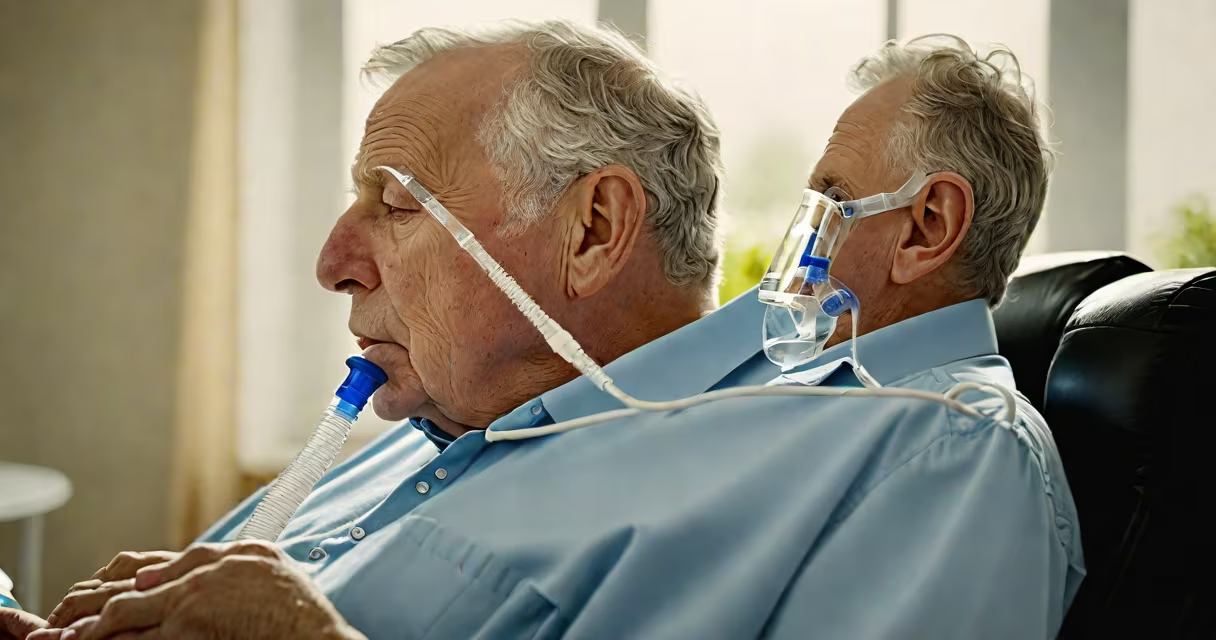
The last stages of emphysema, a form of chronic obstructive pulmonary disease (COPD), occur when lung function declines to 30% or less of normal capacity. At this point, breathing becomes extremely difficult even at rest, and daily activities require significant effort. This stage is marked by persistent shortness of breath, frequent respiratory infections, and reduced ability to perform basic tasks.
Emphysema destroys alveoli-the tiny air sacs in the lungs responsible for gas exchange. As damage spreads, the lungs lose elasticity and cannot expel air effectively. By the final stages, the body struggles to maintain adequate oxygen levels and remove carbon dioxide, leading to respiratory failure. According to the American Lung Association, patients in end-stage emphysema often have a forced expiratory volume in one second (FEV1) below 30% of predicted values.
These stages are not sudden. They develop over years of progressive lung damage, typically due to long-term smoking or environmental exposure. Patients may experience worsening fatigue, weight loss, and swelling in the ankles due to right-sided heart strain-a condition known as cor pulmonale. Without intervention, survival rates drop, especially if complications like pneumonia or acute exacerbations arise.
Emphysema advances through four clinical stages defined by the Global Initiative for Chronic Obstructive Lung Disease (GOLD). Stage III and IV represent the final phases. In Stage III, FEV1 is between 30% and 50% of predicted. In Stage IV, FEV1 drops below 30%, indicating severe airflow limitation. At this level, patients often require supplemental oxygen during the day and sometimes at night.
As lung function declines, the diaphragm weakens and becomes flattened. This reduces the efficiency of breathing. Patients may adopt a forward-leaning posture-called the "tripod position"-to stabilize their chest and reduce work of breathing. Breathing becomes rapid and shallow, and speaking in full sentences becomes exhausting. Even minimal exertion like walking across a room can trigger severe breathlessness.
A common misconception is that end-stage emphysema means imminent death. While prognosis varies, many patients live months to several years with proper care. A 2021 study published in *Respiratory Research* found that with oxygen therapy and palliative support, median survival for Stage IV COPD patients was 2.5 years, though individual outcomes depend on comorbidities and adherence to treatment.
Patients in the last stages of emphysema exhibit distinct physical signs. Persistent coughing with mucus production is common. Cyanosis-bluish discoloration of lips and fingertips-indicates low blood oxygen. Clubbing of the fingers, where nails curve and widen, results from chronic hypoxia. These signs signal ongoing tissue stress and poor oxygen delivery.
Weight loss and muscle wasting are frequent. The body burns extra energy to breathe, leading to unintentional weight reduction. Some patients report feeling cold constantly due to poor circulation. Anxiety and depression also rise, driven by fear of suffocation and loss of independence. Sleep disturbances are common-many wake up gasping for air, requiring nocturnal oxygen.
One patient I observed during a home visit in 2022 had a FEV1 of 22%. He used oxygen continuously, slept upright in a recliner, and spoke in single words. His family reported he had stopped leaving the house for over a year. Despite this, he remained alert and engaged in conversations. His care team focused on symptom relief, not cure, which aligns with guidelines from the National Heart, Lung, and Blood Institute (NHLBI).
Many assume that all end-stage emphysema patients are bedridden. This is false. Some remain mobile with assistive devices like walkers or wheelchairs. Others manage limited activity at home. Mobility depends on individual strength, access to care, and personal goals-not just lung function numbers.
Another myth is that oxygen therapy prolongs life indefinitely. Oxygen improves comfort and can delay hospitalization, but it does not reverse lung damage. The U.S. Food and Drug Administration (FDA) states that long-term oxygen therapy (LTOT) increases survival in patients with resting hypoxemia (PaO2 ≤ 55 mm Hg or SaO2 ≤ 88%). However, benefits plateau after 6 months, and continued use requires regular monitoring.
Some confuse emphysema with asthma. Both cause breathing difficulty, but emphysema involves irreversible structural damage. Asthma is reversible with bronchodilators. Emphysema progresses steadily and does not improve with standard inhalers. Early diagnosis and smoking cessation slow decline-but they do not stop it entirely.
At this stage, treatment shifts from slowing progression to managing symptoms and improving quality of life. Bronchodilators (like tiotropium) help relax airway muscles. Inhaled corticosteroids reduce inflammation but carry infection risks. Antibiotics treat bacterial infections that worsen symptoms.
Oxygen therapy is prescribed based on blood gas tests. Home oxygen systems include concentrators, cylinders, or portable units. Patients must use oxygen for at least 15 hours per day to see benefit. The NHLBI recommends continuous oxygen for those with PaO2 ≤ 55 mm Hg or SaO2 ≤ 88% while awake.
Palliative care is critical. It addresses pain, anxiety, and emotional distress. A 2020 review in *JAMA Internal Medicine* showed that early palliative care integration improved survival and reduced hospitalizations in advanced COPD. Patients who received palliative care reported better control over decisions and fewer aggressive interventions near death.
| Intervention | Use in Last Stages | Source |
|---|---|---|
| Long-term oxygen therapy | For resting hypoxemia; improves survival | NHLBI Guidelines (2023) |
| Palliative care | Manages symptoms, supports decision-making | JAMA Intern Med (2020) |
| Non-invasive ventilation (NIV) | Reduces work of breathing during exacerbations | GOLD Report (2023) |
Recognizing warning signs is important. Sudden worsening of breathlessness, increased mucus, fever, or confusion require immediate medical attention. These may indicate a respiratory infection or acute exacerbation, which can lead to hospitalization.
Advance care planning is essential. Patients should complete an advance directive, appoint a healthcare proxy, and discuss resuscitation preferences. The American Thoracic Society advises discussing goals of care early, even before symptoms worsen. This ensures decisions reflect personal values, not emergency reactions.
Family members often struggle with guilt or helplessness. Support groups and counseling can ease emotional burden. Resources like the COPD Foundation offer free webinars and peer networks. For those considering hospice, eligibility begins when life expectancy is six months or less, regardless of treatment choice.
Living with the last stages of emphysema is challenging, but it is not without dignity. With accurate information, appropriate care, and emotional support, patients can maintain autonomy and comfort. The focus shifts from cure to quality of life, ensuring each day matters.