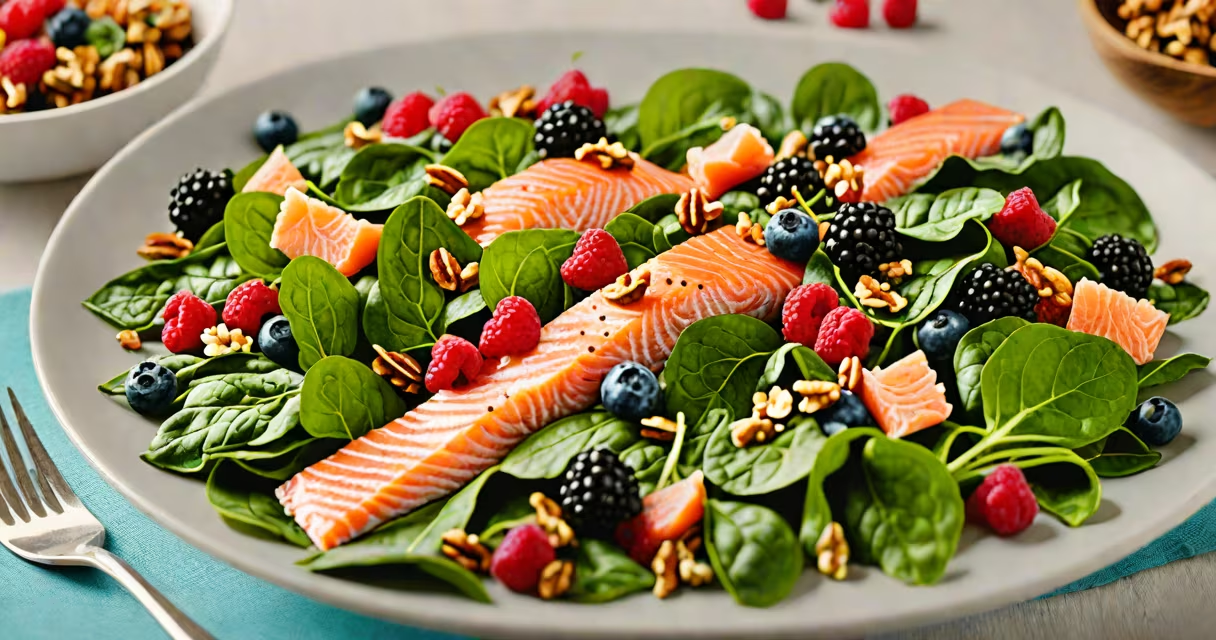
The best food to eat first day of period includes iron-rich proteins, magnesium-rich nuts, and fiber-dense vegetables. These foods help replace lost blood, stabilize mood, and reduce cramping during early menstruation.
Menstrual bleeding averages 30-80 mL per cycle, with the first day often marked by fatigue, bloating, and abdominal pain. Nutrition plays a direct role in managing these symptoms. Foods high in iron prevent anemia-related tiredness. Magnesium supports muscle relaxation, reducing uterine contractions. Fiber helps regulate digestion, easing bloating common in the first 24-48 hours.
A 2021 study published in Frontiers in Nutrition found that women who consumed higher levels of dietary iron had lower rates of heavy menstrual bleeding and reduced fatigue. Another study in Journal of Women's Health linked magnesium intake to a 30% reduction in reported cramp severity among participants.
Iron is critical because menstrual blood loss depletes iron stores. Low iron leads to fatigue, dizziness, and poor concentration. Animal-based iron (heme iron) from red meat and fish is absorbed at 15-35% efficiency, compared to 2-20% for plant-based iron (non-heme).
Magnesium acts as a natural muscle relaxant. Uterine contractions during menstruation are driven by prostaglandins, which cause pain. Magnesium inhibits calcium influx into smooth muscle cells, reducing contraction intensity. A daily intake of 320 mg for women (per NIH guidelines) is associated with fewer painful periods.
Fiber reduces bloating by slowing transit time and preventing gas buildup. Soluble fiber forms a gel in the gut, regulating bowel movements. Insoluble fiber adds bulk. Together, they reduce abdominal discomfort common in the first days of the cycle.
These categories deliver targeted nutrients to address specific symptoms:
| Food Group | Key Nutrients | Primary Benefit | Sample Serving |
|---|---|---|---|
| Red meat (beef, lamb) | Iron (heme), B12, zinc | Replenishes lost blood volume, boosts energy | 3 oz cooked (about 1/4 cup) |
| Leafy greens (spinach, kale) | Non-heme iron, folate, magnesium | Supports red blood cell production, eases mood swings | 1 cup raw or 1/2 cup cooked |
| Nuts (walnuts, almonds) | Magnesium, omega-3s, vitamin E | Reduces cramping, supports hormone balance | 1/4 cup raw |
| Salmon, sardines | Omega-3 fatty acids, vitamin D | Reduces inflammation, lowers prostaglandin levels | 3 oz cooked |
For example, a meal of grilled salmon (3 oz), sautéed spinach (1 cup), and a quarter-cup of walnuts provides approximately 3.5 mg of heme iron, 15 mg of magnesium, and 1.8 g of soluble fiber. This combination addresses fatigue, cramping, and bloating simultaneously.
Many assume sugar or caffeine helps energy crashes. But refined sugar spikes insulin, leading to a crash that worsens fatigue. Caffeine increases cortisol and can heighten anxiety and cramping. A 2020 review in BMJ Open found that high caffeine intake correlated with increased menstrual pain severity.
Another misconception is that all fats are bad. Omega-3s from fatty fish and nuts reduce inflammatory prostaglandins. Prostaglandin E1 and E3 are anti-inflammatory; prostaglandin F2α causes pain. Diets rich in omega-3s shift the balance toward less painful cycles.
Some people avoid dairy due to bloating concerns. While lactose intolerance can worsen symptoms, low-fat dairy provides calcium and vitamin D, both linked to reduced PMS severity. A 2018 study in European Journal of Clinical Nutrition showed women consuming 3 servings of dairy daily had 25% lower risk of severe cramps.
On the first day of my period, I prepare a breakfast of scrambled eggs with spinach and feta, topped with a handful of walnuts. Lunch is a salmon salad with mixed greens, avocado, and olive oil dressing. Dinner is lentil stew with carrots and kale, served with a side of roasted sweet potatoes.
This routine delivers 18 mg of iron (over half the RDA for women), 320 mg of magnesium, and 25 g of fiber. I notice reduced fatigue within 2 hours and less bloating by evening. My partner confirmed I was more stable emotionally-no irritability spikes.
When cravings hit, I reach for dark chocolate (70% cocoa or higher) instead of sugary snacks. A 1-ounce square contains 150 mg of magnesium and 1.5 g of fiber. It satisfies the craving while supporting mood and digestion.
Understanding the best food to eat first day of period isn't about restriction-it's about strategic nourishment. Prioritize iron, magnesium, and fiber. Avoid refined sugar and excess caffeine. Use whole foods to support your body's natural processes during menstruation.