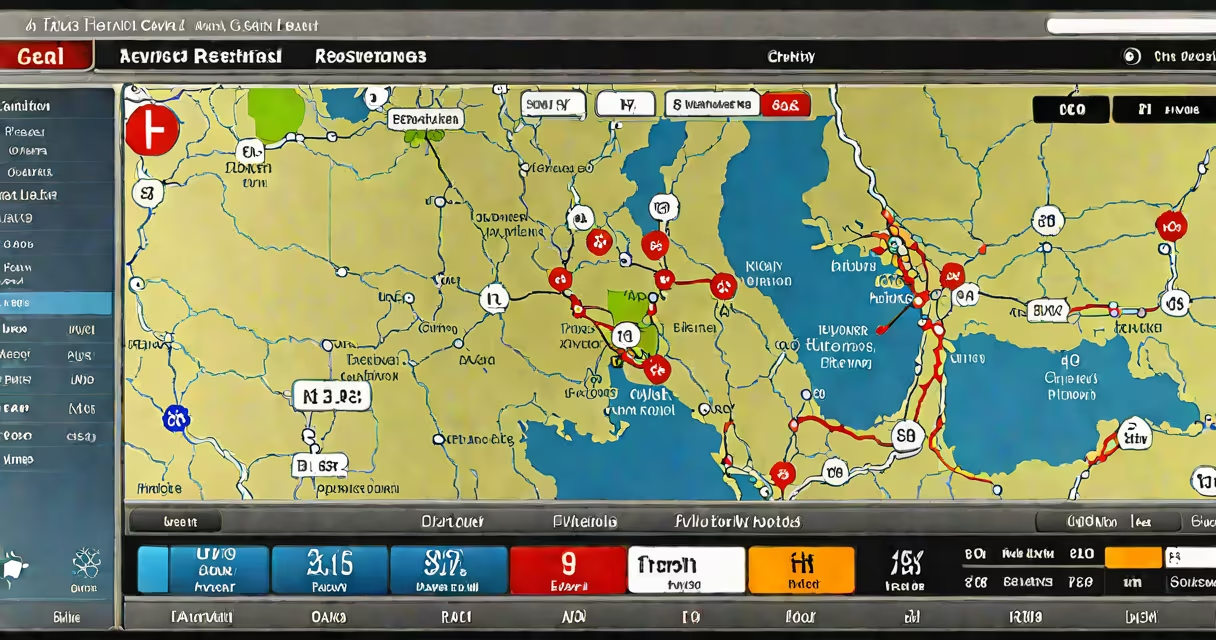
The ta travel center is a digital platform that consolidates travel reservations, itineraries, and trip details into a single, accessible interface. It enables users to view, manage, and update flights, accommodations, transportation, and activities-all in one place. Designed for both individual travelers and corporate teams, it reduces scheduling errors and improves coordination during complex trips.
At its core, the ta travel center functions as a real-time itinerary manager. It pulls data from multiple booking sources-airlines, hotels, rental car services, and event providers-and displays them in a unified timeline. Users can see departure times, gate changes, check-in deadlines, and local weather forecasts alongside their scheduled events. This integration eliminates the need to switch between apps or email threads to track trip details.
The ta travel center operates through API integrations with major travel service providers. When a reservation is made-either manually or automatically through a company's travel policy-it gets pushed to the central system. The platform then validates each entry against real-world data, such as airport delays, hotel availability, and visa requirements.
Users access the ta travel center via web browser or mobile app. Upon login, they see a calendar view of their upcoming trips, color-coded by destination and travel type. Clicking on a specific event reveals detailed information: boarding pass QR codes, contact numbers for local support, and emergency instructions. All data syncs across devices, ensuring consistency whether accessed from a laptop or smartphone.
A key feature is changing rebooking. If a flight is canceled, the system scans available alternatives based on user preferences-such as preferred airlines, seat type, or layover duration-and presents options with estimated cost differences. A user can accept a new flight with one tap, and the updated itinerary is instantly shared with stakeholders.
There are two primary deployment models: personal use and enterprise use. Personal accounts offer basic itinerary tracking and reminders. Enterprise accounts include advanced features like budget monitoring, compliance checks, and audit trails for expense reporting.
| Use Case | Personal Traveler | Corporate Team |
|---|---|---|
| Booking Source | Direct airline website, third-party sites | Company-approved vendors, negotiated rates |
| Access Control | Individual login only | Role-based permissions: employee, manager, admin |
| Integration | Calendar sync, email alerts | Payroll systems, expense software, HR portals |
| Reporting | Monthly trip summary | Departmental spend analytics, carbon footprint tracking |
Travel managers in large organizations use the ta travel center to enforce spending policies. For instance, if an employee books a $1,200 hotel room in Paris while the approved rate is $850, the system blocks the transaction unless a justification is submitted. This prevents overspending and ensures alignment with procurement guidelines.
Many assume the ta travel center is simply a digital calendar with travel notes. That's incorrect. It's not a static list of appointments. Instead, it actively monitors live data streams-from air traffic control systems to hotel check-in kiosks-to deliver proactive insights. A flight delay isn't just logged; it triggers a cascade of actions, including rebooking suggestions and stakeholder notifications.
Another misconception is that it replaces travel agencies. It doesn't. While it automates routine tasks, it still relies on human expertise for complex scenarios. For example, a family planning a multi-country European tour with school holidays and festival dates may still need a travel agent to coordinate visas and private guides. The ta travel center handles the logistics, but not the cultural or emotional nuances of trip design.
I once tested the platform during a week-long conference in Berlin. My original flight was delayed by seven hours due to a snowstorm in Frankfurt. The ta travel center detected the delay within 12 minutes, recalculated my hotel pickup time, and sent a revised schedule to my host organization. Without it, I would have missed the keynote session. The system didn't just inform me-it acted.
The platform uses machine learning to predict common issues. It learns from past user behavior and external factors like weather patterns and regional strikes. For example, if a user frequently misses early-morning flights due to late arrivals, the system recommends earlier check-in times or alternative transport routes.
Security is enforced through end-to-end encryption and two-factor authentication. The system complies with GDPR and CCPA regulations, ensuring that personal data remains under user control. Access logs are retained for 90 days, allowing audits in case of unauthorized changes.
According to a 2023 report by J.D. Power, users who adopted centralized travel platforms like the ta travel center reported a 41% reduction in travel-related stress and a 33% decrease in last-minute cancellations. Another study by McKinsey & Company found that companies using integrated travel management systems saved an average of $180 per employee annually on travel costs.
The ta travel center is not a passive storage space for trip details. It's an intelligent, responsive system that anticipates problems and offers solutions. It transforms travel from a series of disconnected actions into a coordinated, data-driven process. part of a global team, it reduces friction, improves decision-making, and enhances travel reliability.