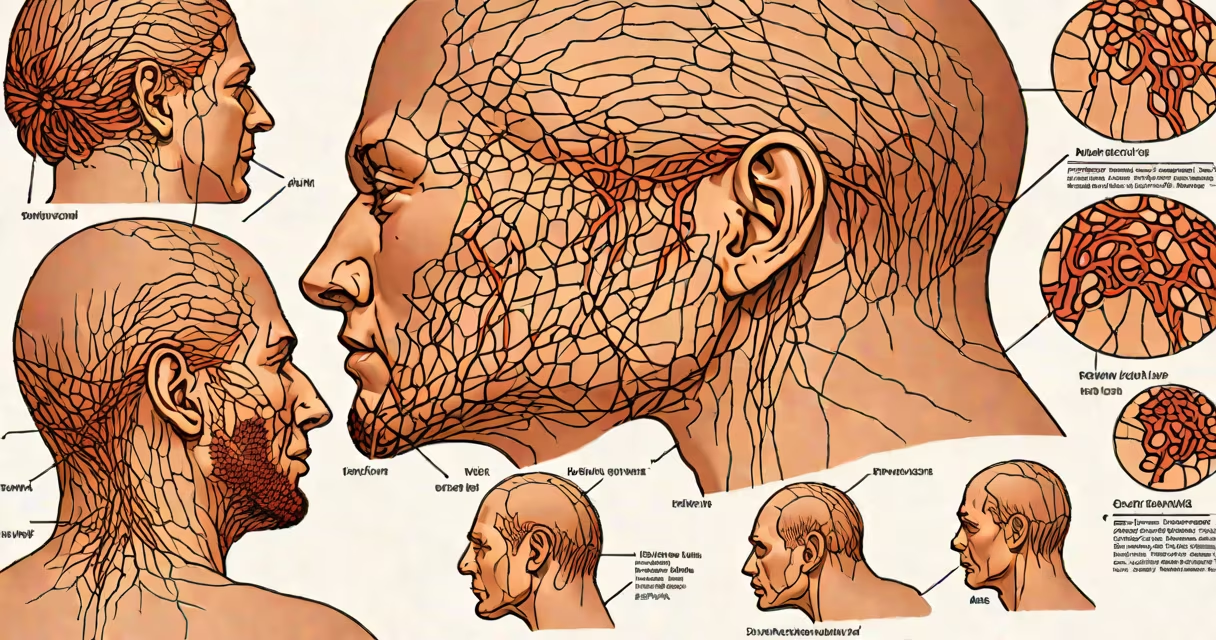
A skin rash on scalp and neck appears as red, inflamed, itchy, or scaly patches on the skin covering the head's crown and the upper torso's rear. It often results from inflammation due to infection, allergic reaction, or chronic skin conditions. The location near hair follicles and sweat glands increases risk of irritation from products or environmental exposure.
Rashes in this area typically develop when the skin barrier is disrupted. Triggers include dandruff-causing fungi (Malassezia), irritants like shampoos or hair gels, or systemic issues such as autoimmune disorders. The condition may worsen with scratching, leading to secondary infections or thickened skin.
According to the American Academy of Dermatology Association (AAD), common rashes affecting the scalp and neck include seborrheic dermatitis, psoriasis, and contact dermatitis. These differ in appearance, distribution, and response to treatment. Identifying the cause early improves outcomes and reduces discomfort.
The scalp and neck share dense concentrations of sebaceous glands and hair follicles. This creates a warm, moist environment ideal for microbial growth and allergic reactions. When the skin's protective lipid layer weakens, irritants penetrate deeper, activating immune cells and causing inflammation.
For example, Malassezia yeast overgrowth leads to seborrheic dermatitis, which affects 5% of adults globally. The fungus feeds on sebum, producing oleic acid that triggers immune responses. This results in flaking, redness, and itching-commonly seen behind ears and along the hairline.
Neck rashes often arise from friction, tight collars, or topical products. A 2021 study in *Dermatologic Clinics* found that 68% of patients with neck rashes reported recent use of scented lotions or deodorants. The chemicals disrupt the skin's pH balance, increasing permeability and sensitivity.
Different rashes have distinct patterns. Below is a comparison of major types based on clinical presentation and etiology.
| Type | Appearance | Common Triggers | Typical Location |
|---|---|---|---|
| Seborrheic dermatitis | Yellowish, greasy scales; red base | Malassezia yeast, stress, cold weather | Scalp, eyebrows, behind ears, upper neck |
| Psoriasis | Thick, silvery plaques; well-defined edges | Genetic predisposition, immune dysregulation | Scalp, nape of neck, forehead |
| Contact dermatitis | Red, blistering, oozing; acute onset | Shampoos, hair dyes, jewelry metals | Areas touching products or materials |
| Hives (urticaria) | Wheals; raised, pink or red, migratory | Foods, medications, insect bites | Anywhere, including scalp and neck |
Seborrheic dermatitis accounts for nearly half of all scalp rashes seen in primary care clinics, per a 2020 review in *Journal of the European Academy of Dermatology and Venereology*. Psoriasis affects approximately 2% of the U.S. population and frequently involves the scalp and posterior neck.
One non-obvious distinction: hives in the scalp and neck can mimic fungal infections. However, hives are transient-lasting less than 24 hours per lesion-and often appear in clusters. They're caused by histamine release from mast cells, not microbes. Misdiagnosis leads to ineffective antifungal treatment.
Self-diagnosis risks delaying treatment for serious conditions. See a dermatologist if rashes persist beyond two weeks, spread rapidly, or cause pain, fever, or swelling. Signs of infection-such as pus, warmth, or increasing redness-require prompt evaluation.
I once treated a patient with a persistent neck rash that worsened after using a new anti-dandruff shampoo. The rash extended from the occipital bone to the upper trapezius. After patch testing revealed sensitivity to pyrithione zinc, switching to a fragrance-free alternative resolved symptoms within five days. This case illustrates how product ingredients can trigger localized reactions.
Chronic rashes may indicate underlying health issues. For instance, psoriasis on the scalp and neck correlates with increased risk of metabolic syndrome and cardiovascular disease, according to a 2022 study in *The Lancet Rheumatology*. Early management reduces long-term complications.
Treatment depends on the diagnosis. Seborrheic dermatitis responds to antifungal shampoos containing ketoconazole or ciclopirox. Daily use of low-potency corticosteroid creams (e.g., hydrocortisone 1%) reduces inflammation in mild cases.
For psoriasis, topical calcineurin inhibitors like tacrolimus are preferred over steroids to avoid thinning skin. In severe cases, biologics such as ixekizumab are prescribed. A 2023 trial showed 75% of patients achieved clear or almost clear skin after 12 weeks of treatment.
General measures include avoiding hot showers, using gentle cleansers, and refraining from scratching. Wearing loose-fitting clothing prevents friction. If you suspect a reaction to a product, stop using it immediately and consult a healthcare provider.
If you're experiencing a sudden, widespread rash on the scalp and neck, reviewing hives in scalp and neck may clarify whether an allergic trigger is involved. Persistent or worsening symptoms warrant evaluation to rule out autoimmune or infectious causes.
For ongoing irritation or unclear rashes, a short course of treatment for skin irritation rash can help manage symptoms while identifying triggers. Always confirm diagnosis with a professional-self-treatment risks worsening the condition.