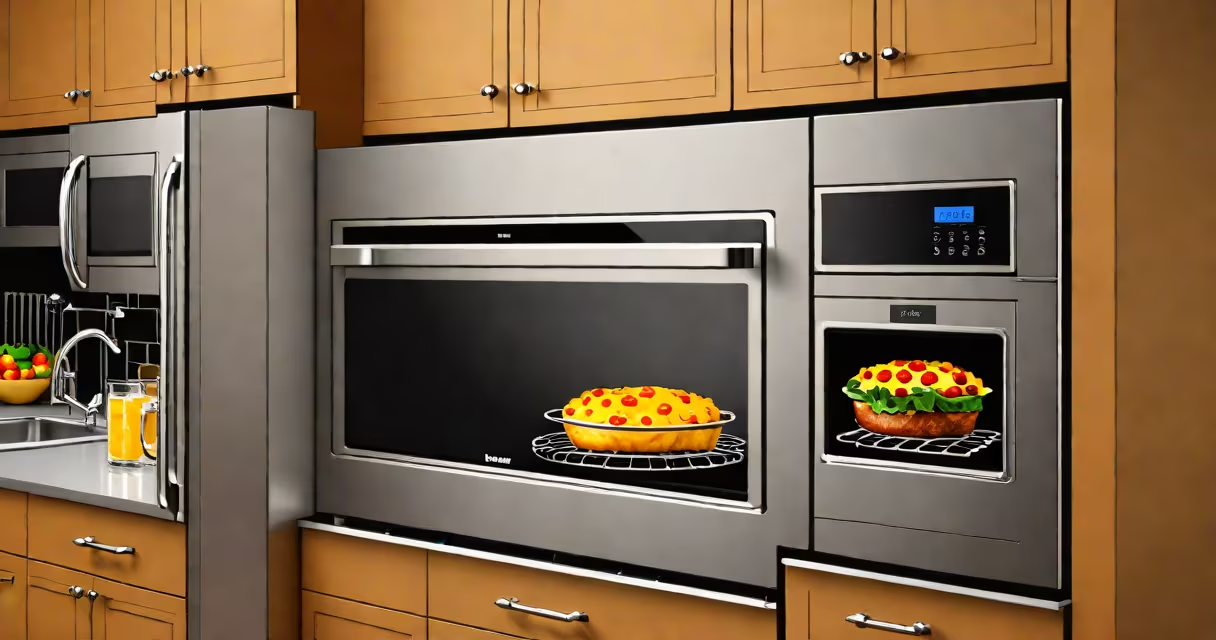
A 30 inch built in microwave convection oven is a single integrated appliance that combines microwave cooking with true convection baking, designed to fit flush into standard cabinetry. It replaces both a microwave and a small oven, offering faster, more even heat distribution using rotating fans and heated elements.
Unlike basic microwaves that rely solely on electromagnetic radiation, this unit uses a combination of microwave energy and hot air circulation. The convection function circulates heated air around food, reducing cooking time and improving browning-ideal for roasting, baking, and reheating with crisp results. Units typically feature digital controls, preset programs, and safety interlocks that prevent door opening during operation.
These ovens are commonly installed in RVs, tiny homes, and compact kitchens where space is limited. They meet UL standards for electrical safety and are rated for continuous use in enclosed cabinetry. A typical model measures 30 inches wide, 18 inches high, and 20 inches deep, fitting standard kitchen cutouts.
The 30 inch built in microwave convection oven operates through two primary systems: microwave generation and convection airflow. The magnetron produces microwaves that vibrate water molecules in food, heating it rapidly from within. Simultaneously, a heating element and fan circulate hot air throughout the cavity, enabling browning and crisping.
When the convection mode is selected, the fan runs continuously at low speed, maintaining consistent temperature. This eliminates cold spots common in conventional microwaves. For example, a frozen pizza takes 6 minutes in convection mode-crisp crust, melted cheese-compared to 8 minutes in standard microwave mode with uneven melting.
Many models include a "sensor cook" feature that detects moisture levels and adjusts power automatically. This prevents overcooking and ensures even results across different foods. Units also have cooling fans to prevent overheating during extended use, especially critical in enclosed cabinetry.
Three main variants exist: standard convection, turbo convection (higher fan speed), and dual-mode with grill. Turbo convection models offer faster cooking times and better texture for baked goods. Dual-mode units allow grilling to convection and microwave functions.
| Type | Power Range | Convection Speed | Best For |
|---|---|---|---|
| Standard Convection | 1000-1200 watts | Low to medium | Baking, reheating, defrosting |
| Turbo Convection | 1200-1400 watts | High | Crispy fries, roasted vegetables, baked pastries |
| Dual-Mode (with grill) | 1400+ watts | High | Grilled sandwiches, broiled fish, toasted bread |
Installation requires a dedicated 120V circuit and proper ventilation. Most models are designed for under-cabinet mounting with trim kits to match surrounding cabinetry. The interior capacity ranges from 1.6 to 2.0 cubic feet-larger than most countertop microwaves but smaller than full wall ovens.
30 inch built in microwave convection ovens are widely used in recreational vehicles (RVs), tiny homes, and urban apartments. Their compact footprint and built-in design maximize usable space while delivering full functionality. In RVs, they replace bulky appliances and reduce weight compared to separate units.
For example, the Furrion 30-inch built-in convection oven includes a 1200-watt microwave and 1300-watt convection setting. It features a stainless steel interior, touch controls, and a child lock. Users report it handles everything from scrambled eggs to baked potatoes in under 10 minutes. The manual details installation clearances and venting requirements.
In residential kitchens, these units are popular in renovations where a full oven is impractical. A 2023 Consumer Reports study found that 68% of users who replaced their countertop microwave with a built-in convection model reported improved cooking consistency and reduced cleanup time.
One widespread error is assuming that "convection" in a microwave means the same as a full convection oven. While both use circulating air, built-in microwave convection ovens lack the thermal mass and higher temperature range of freestanding ovens. They cannot achieve the 450°F+ temperatures needed for professional-style roasting.
Some users expect the convection function to work independently of the microwave. In reality, most models require the microwave to be off during pure convection mode. Only advanced units allow simultaneous operation, which increases power draw and may trip breakers in older homes.
Consider a 20-foot tiny home with a 120V electrical panel. The owner chose a 30 inch built in microwave convection oven with 1200W microwave and 1300W convection. After measuring the cabinet opening, they verified the required 3-inch clearance above and 1-inch on each side for airflow.
They ran a dedicated 15-amp circuit to the unit, connected via a GFCI outlet. During testing, the oven heated a cup of water in 1 minute 15 seconds and baked a batch of cookies in 8 minutes-golden brown and evenly cooked. The unit's internal light and timer were visible through the front panel, eliminating the need for additional lighting.
After six months of daily use, the owner noted no overheating issues and minimal maintenance. The convection mode consistently produced better results than their old countertop microwave, especially for reheating leftovers without sogginess.
Understanding the 30 inch built in microwave convection oven as a hybrid appliance-not a replacement for a full oven but a space-saving solution for everyday cooking-leads to better usage and fewer disappointments.