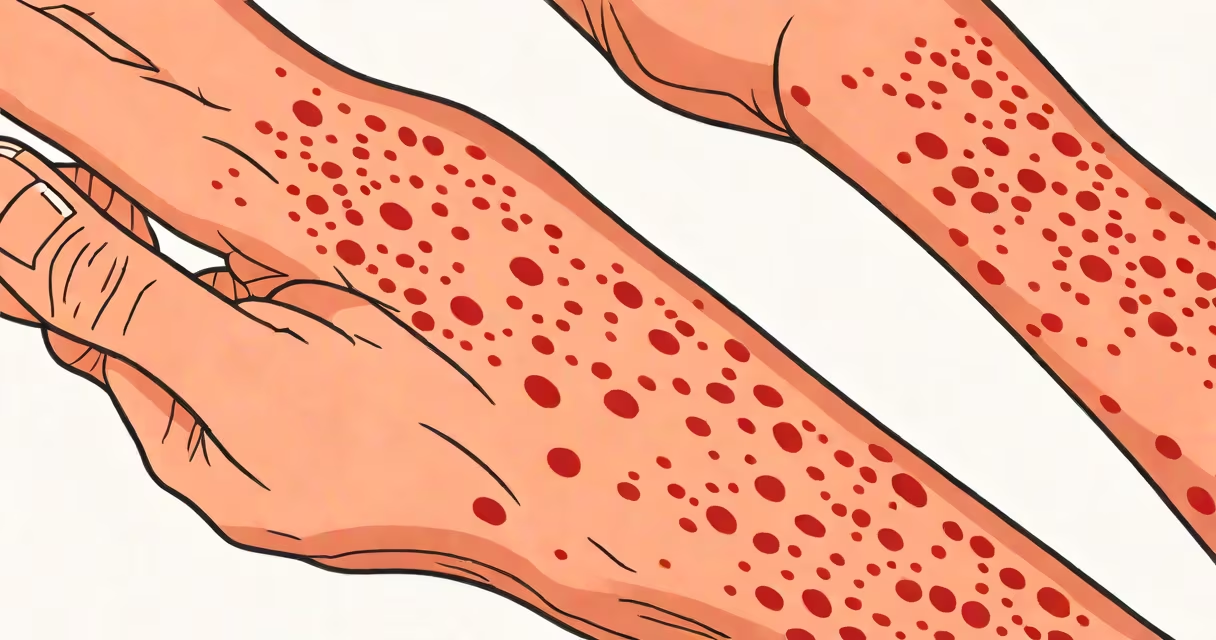
A skin irritation rash is a localized inflammatory response on the skin triggered by direct contact with an irritant or allergen, appearing as redness, swelling, itching, or blistering. It results from the immune system's reaction to foreign substances or physical damage to the skin barrier, not from infection.
These rashes develop when the skin's protective outer layer is compromised. Common triggers include soaps, detergents, fragrances, metals like nickel, plants such as poison ivy, or even friction from clothing. The reaction typically occurs within minutes to hours after exposure and resolves once the irritant is removed.
According to the American Academy of Dermatology Association (AAD), contact dermatitis accounts for over 90% of non-infectious rashes seen in primary care settings. This includes both irritant contact dermatitis (caused by direct chemical damage) and allergic contact dermatitis (an immune-mediated response).
The skin acts as a physical and immunological barrier. When exposed to a substance that disrupts this balance, immune cells in the epidermis release signaling molecules like histamine. These cause blood vessels to dilate, leading to redness and swelling, while nerve endings become sensitized, producing itchiness.
For example, washing dishes with harsh dish soap may strip natural oils from hands. Within 30 minutes, redness and dryness appear. Repeated exposure leads to cracking and fissures-classic signs of irritant contact dermatitis. The AAD notes that up to 60% of occupational skin disorders stem from this mechanism.
Some rashes are delayed. Allergic contact dermatitis requires prior sensitization. After first exposure to nickel in jewelry, the immune system "remembers" the substance. On re-exposure, a rash develops 12-48 hours later-often with blisters and oozing. Patch testing confirms the trigger.
Two main categories define skin irritation rashes: irritant and allergic. They differ in onset, appearance, and underlying biology.
| Type | Onset | Common Triggers | Typical Appearance |
|---|---|---|---|
| Irritant contact dermatitis | Minutes to hours | Soaps, bleach, solvents, acids | Red, swollen, painful; may blister if severe |
| Allergic contact dermatitis | 12-48 hours | Nickel, latex, fragrances, poison ivy | Itchy, blistering, crusted; often follows contact pattern |
For instance, a person who wears a metal watchband may develop a linear rash along the wrist after wearing it for a week. The delay suggests allergy, not irritation. A patch test confirmed sensitivity to nickel sulfate in the band.
Non-contact causes also exist. Heat, cold, or pressure can induce rashes. For example, prolonged sitting on a hard surface may lead to pressure-induced erythema-redness without blistering. This is less common but still classified under irritation-related rashes.
Many mistake skin irritation rash for infection. A bacterial or fungal infection may mimic the appearance-red, scaly, spreading-but lacks the history of exposure. For example, a rash on the foot that worsens after wearing synthetic shoes may be contact dermatitis, not athlete's foot.
Another frequent error: assuming all rashes are allergic. Not true. Irritant contact dermatitis is far more prevalent. The National Institute of Environmental Health Sciences reports that 80% of acute hand dermatitis cases in healthcare workers result from repeated exposure to disinfectants-not allergies.
Skin irritation rash does not spread via touch. Unlike viral rashes (e.g., chickenpox), which are contagious, contact rashes remain localized to the site of exposure. If a rash spreads beyond the contact area, consider secondary infection or systemic causes.
Most mild skin irritation rashes resolve within 3-7 days with avoidance of the trigger and basic care. However, persistent or worsening symptoms require evaluation.
Seek medical attention if:
For example, a woman developed a widespread rash after using a new facial cleanser. Within 48 hours, her eyelids swelled shut. She sought care and was diagnosed with allergic contact dermatitis involving the face-requiring steroid ointment and antihistamines.
Testing may be needed. Patch testing identifies specific allergens. The AAD recommends it for chronic or recurrent rashes, especially when the trigger is unclear. A single session can identify up to 70% of relevant allergens.
Prevention centers on identifying and avoiding triggers. Use fragrance-free, hypoallergenic products. Wear gloves when handling cleaning agents. Avoid jewelry with nickel if sensitive.
For treatment, apply cool compresses to reduce inflammation. Over-the-counter hydrocortisone 1% cream applied twice daily for up to 7 days can relieve itching and redness. Avoid long-term steroid use without guidance.
One personal observation: during a summer gardening project, I developed a blistering rash on my forearms after touching a plant labeled "common weed." Itched intensely for two nights. After removing the plant residue and applying calamine lotion, the rash faded in five days. The plant turned out to be a species of *Pilea* known to cause contact dermatitis in sensitive individuals-a reminder that even harmless-looking plants can trigger reactions.
For rashes on the scalp or neck, which are harder to treat due to hair and sweat, see more on this. These areas often react to shampoos, hair dyes, or necklaces.
Understanding skin irritation rash allows faster resolution and prevents unnecessary treatments. Recognizing the difference between irritant and infectious rashes reduces antibiotic misuse and improves outcomes.