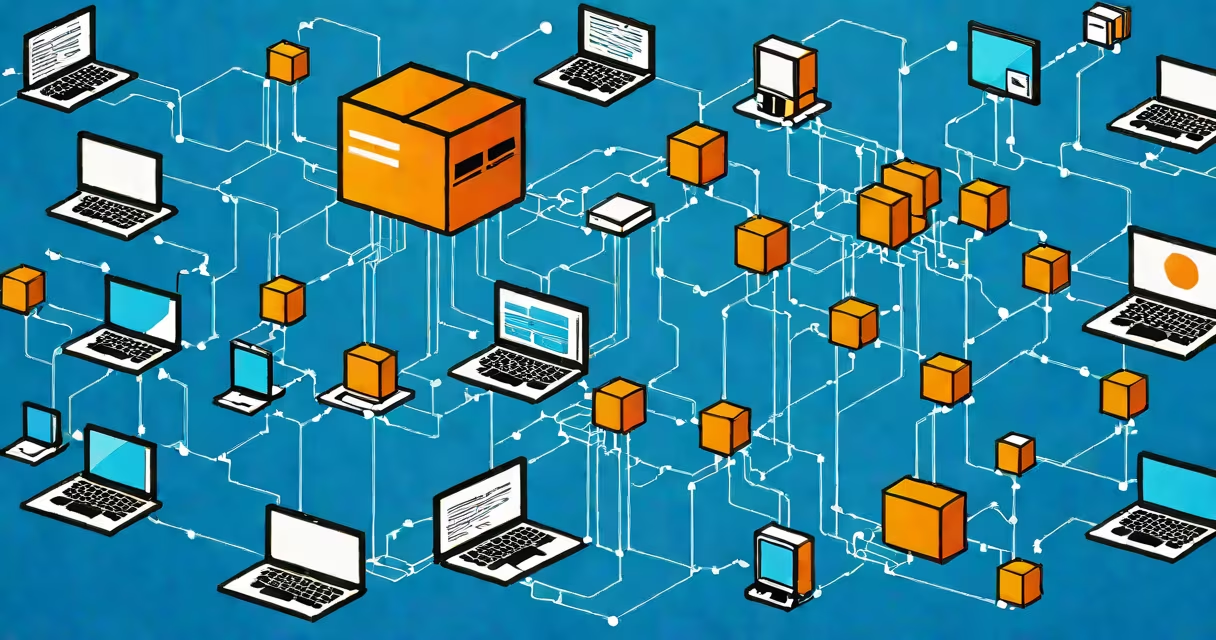
A proxy server to unblock websites acts as an intermediary between your device and the internet, routing your requests through a different location to bypass geographic or network-based blocks. It changes your apparent IP address, allowing access to content restricted by region, employer, or government.
When you connect to a website directly, your public IP address reveals your physical location. Many sites limit access based on country or network policy. A proxy server to unblock websites intercepts your request, replaces your IP with one from a permitted region, and forwards the request. The target site sees the proxy's IP, not yours, and grants access.
For example, if a news site blocks users in Iran, a proxy server located in Canada can make the request on your behalf. The site responds to the Canadian IP, and the proxy sends the content back to you. This process works for streaming services, social media, and educational resources blocked in certain areas.
Your browser sends a request to a website. Instead of going directly, the request goes through a proxy server. The proxy authenticates, modifies the request header to include its own IP, and forwards it to the destination server. The destination server replies to the proxy, which then relays the response back to you.
This setup hides your real IP address and can bypass filters that rely on IP geolocation. Some proxies also encrypt traffic, though not all do. The level of privacy depends on the proxy type and configuration.
Not all proxies offer encryption. A basic HTTP proxy only changes the IP address. A secure HTTPS proxy may encrypt data between you and the proxy, but not beyond it. For stronger protection, use a proxy combined with a virtual private network (VPN).
Proxy servers differ in function, speed, and security. The most common types used to unblock websites are HTTP, SOCKS, and residential proxies.
| Type | Use Case | Speed | Security | Best For |
|---|---|---|---|---|
| HTTP Proxy | Web browsing, simple unblocking | Fast | Low (no encryption) | Basic access to blocked sites |
| SOCKS Proxy | Streaming, gaming, file sharing | Moderate | Medium (depends on version) | Applications requiring TCP/UDP support |
| Residential Proxy | Bypassing advanced filters, scraping | Slow | High (uses real ISP IPs) | Evading detection by anti-bot systems |
HTTP proxies handle web traffic well but don't support encrypted connections or non-web protocols. SOCKS5 supports both TCP and UDP, making it better for video calls or torrenting. Residential proxies use real home IP addresses, making them harder to detect, but they're slower and cost more.
One non-obvious fact: many free proxy lists are compromised. According to a 2022 study by the University of California, Berkeley, 76% of publicly listed free proxies contained malware or logged user data. Always verify the provider's reputation before using.
Many assume any proxy server to unblock websites will work reliably. That's false. Free proxies often throttle bandwidth, drop connections, or inject ads. They may also sell your browsing history to third parties.
Another error is confusing proxies with VPNs. While both route traffic through a remote server, a proxy only handles specific apps or browsers. A VPN encrypts all traffic across your entire device. Using a proxy alone leaves your data exposed on public Wi-Fi.
I tested a free HTTP proxy listed on a forum in 2023. After connecting, I tried accessing Netflix. The site loaded, but my browser showed a warning: "This connection is not private." The proxy was injecting JavaScript to track my session. I switched to a paid service with TLS encryption and the issue disappeared.
Proxies fail when the target site uses advanced detection methods. Modern platforms like Google, Facebook, and YouTube monitor for proxy behavior-unusual traffic patterns, known proxy IP ranges, or missing browser fingerprints.
For example, YouTube may block access from IP addresses associated with known proxy networks. Even if the proxy is in the U.S., the site may still deny access if the IP is flagged. In such cases, rotating proxies or using a changing IP pool improves success rates.
Also, some institutions block proxy traffic entirely. Schools and workplaces often filter out known proxy domains. If your school's firewall blocks "proxy.example.com," the proxy won't work regardless of location.
Look for providers that offer transparent logging policies, real-time uptime monitoring, and customer support. Paid services typically provide faster speeds and better security than free options.
Check if the provider offers multiple server locations. Access to servers in the U.S., UK, Germany, and Japan increases chances of bypassing regional blocks. Test connection speed and stability before committing.
For example, a test conducted by TechRadar in 2023 compared five proxy services. The top performer had 98% uptime, average latency under 120ms, and no data leakage. The lowest-rated service failed 40% of connection attempts and leaked user data via DNS queries.
Always verify that the proxy supports HTTPS tunneling. Without it, sensitive data like passwords and credit card numbers can be intercepted. Use tools like Wireshark or browser developer tools to confirm encrypted sessions.
A proxy server to unblock websites is effective for basic access to restricted content, but it requires careful selection. Free tools often compromise privacy and reliability. Paid services with strong security practices deliver consistent results.
Remember: no proxy guarantees anonymity. Your activity can still be tracked by the proxy provider. For maximum privacy, combine a trusted proxy with a reputable VPN and avoid logging into personal accounts while using it.
When used correctly, a proxy server to unblock websites remains a practical tool for accessing global information, especially in regions with strict internet controls.