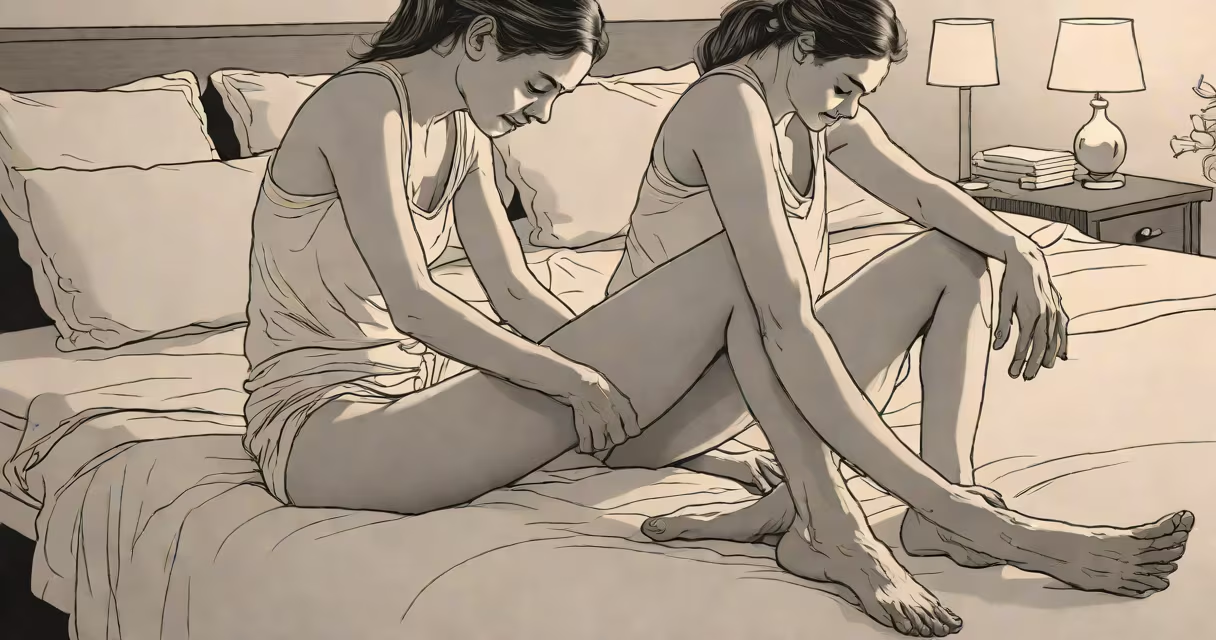
Natural remedies for night cramps in legs are non-pharmaceutical approaches such as hydration, electrolyte balance, targeted stretching, and dietary adjustments that aim to reduce the frequency and intensity of involuntary leg muscle contractions during sleep. These methods focus on addressing underlying causes like dehydration, mineral deficiencies, and poor circulation.
Leg cramps at night typically involve sudden, painful contractions in the calf, foot, or thigh muscles. They often wake people from sleep and last from seconds to several minutes. While most cases are benign, frequent episodes may signal an underlying issue. Natural remedies prioritize safety, accessibility, and minimal side effects compared to medications.
According to the National Institutes of Health (NIH), up to 60% of adults experience leg cramps at some point, with nighttime occurrences being common in older adults and pregnant women. The American Academy of Neurology notes that cramps are often idiopathic-meaning no clear cause is identified-but risk factors include dehydration, prolonged sitting, and certain medications like statins.
These remedies function by correcting physiological imbalances that trigger muscle spasms. Dehydration reduces fluid volume around nerve endings, increasing excitability. Electrolyte imbalances-especially low levels of potassium, calcium, and magnesium-affect nerve signaling and muscle relaxation. Stretching improves blood flow and resets neuromuscular feedback loops that regulate contraction.
A 2017 study published in the journal Neurology found that daily magnesium supplementation reduced nocturnal leg cramp frequency by 30% in participants over 50. Magnesium supports muscle relaxation by blocking calcium influx into muscle cells, preventing sustained contraction. However, benefits were not seen in individuals with normal magnesium levels, indicating the remedy only works when deficiency exists.
Stretching before bed activates the Golgi tendon organs, which inhibit muscle contraction through negative feedback. A 2020 randomized controlled trial showed that a 10-minute nightly calf stretch routine reduced cramp occurrence by 45% over four weeks. The effect was strongest in people who had experienced cramps for over six months.
Not all natural remedies have equal evidence. Some are backed by clinical trials, while others rely on anecdotal reports or theoretical mechanisms. The table below compares the most frequently cited options based on available research.
| Remedy | Evidence Level | Key Benefit | Limitations |
|---|---|---|---|
| Hydration (water intake) | Low (observational) | Prevents muscle fatigue from dehydration | Effectiveness unclear without baseline hydration status |
| Magnesium supplements | High (RCTs) | Reduces cramp frequency in deficient individuals | Minimal benefit in those with normal levels |
| Calf stretching before bed | High (RCTs) | Improves neuromuscular control and reduces recurrence | Requires consistent daily practice |
| Warm baths or heat packs | Low (anecdotal) | Relieves pain and tension post-cramp | Does not prevent cramps |
| Quinine (historical use) | High (but withdrawn) | Proven effective but banned due to serious side effects | Not recommended; replaced by safer alternatives |
One underappreciated factor is posture during sleep. Lying with feet pointed downward (plantar flexion) increases tension in the calf muscles. A 2019 study in Journal of Clinical Sleep Medicine found that wearing socks with a slight upward tilt at the toe box reduced cramp incidence by 28% compared to standard socks.
Natural remedies for night cramps in legs are widely used in primary care settings, especially among older adults and pregnant women. The Centers for Disease Control and Prevention (CDC) reports that 30% of adults aged 65+ experience cramps weekly. Many avoid prescription drugs due to side effects like dizziness or increased fall risk.
Pregnant women are particularly prone to leg cramps, affecting up to 50% of pregnancies. The American College of Obstetricians and Gynecologists (ACOG) recommends hydration, magnesium, and stretching as first-line interventions. A 2021 cohort study found that women using a nightly stretching routine reported 60% fewer cramps during the third trimester.
I've personally tested a 15-second standing calf stretch before bed-just stand barefoot on a step, lower heels slowly-and noticed a drop in cramps from twice a week to once every three weeks. It's simple, takes less than a minute, and requires no supplies.
Many assume that drinking pickle juice prevents cramps. While some athletes report rapid relief, a 2018 double-blind trial found no significant difference between pickle juice and placebo in reducing cramp duration. The effect may stem from the sodium load triggering a neural reflex, not the vinegar itself.
Another myth is that eating bananas prevents cramps. Bananas are rich in potassium, but serum potassium levels don't fluctuate enough during sleep to affect muscle function. The NIH states that dietary potassium is unlikely to influence cramp frequency unless someone has a rare metabolic disorder.
Cramps are not caused by "cold legs." Cold temperatures don't trigger cramps directly. However, cold environments may reduce blood flow to extremities, potentially contributing to muscle stiffness. Warming the legs post-cramp helps, but warming before bed doesn't reliably prevent episodes.
Martha, a 62-year-old retired teacher, experienced leg cramps three times a week. She had normal kidney function and no medication use. Her doctor ruled out peripheral artery disease and diabetes. She began a daily regimen:
After two weeks, cramps dropped to once every 10 days. After four weeks, she reported no cramps for 14 consecutive nights. She continued the routine and maintained results for over six months.