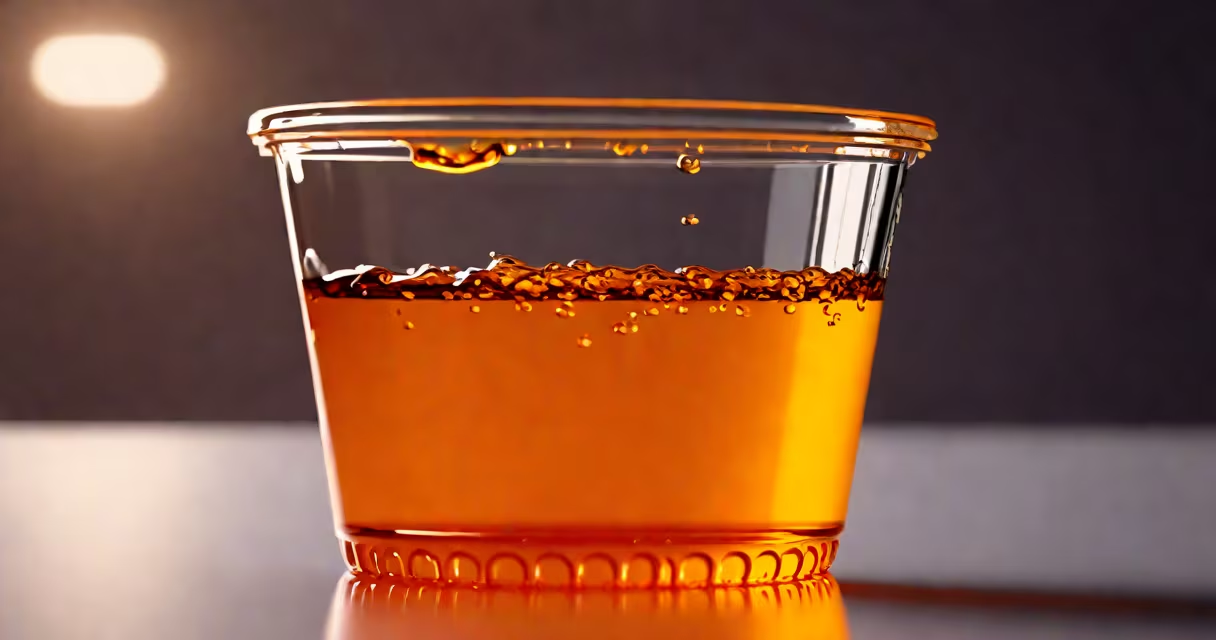
Dark orange urine typically indicates concentrated urine due to dehydration, elevated bilirubin from liver stress, or certain medications. It's not normal and often signals a need to assess hydration or underlying health conditions.
Urine color results from urobilinogen, a pigment formed during red blood cell breakdown. When the liver processes bilirubin-produced from hemoglobin-it converts it into urobilinogen, which gives urine its yellow to amber hue. Concentrated urine increases pigment density, turning it darker. Normal urine ranges from pale yellow to gold; dark orange sits beyond that spectrum.
While occasional dark orange urine may result from mild dehydration, persistent or recurring instances suggest physiological disruption. The kidneys filter waste products, including bilirubin metabolites, and excrete them via urine. Elevated levels in the bloodstream can lead to visible discoloration. This happens when the liver cannot process bilirubin efficiently, a sign of hepatobiliary dysfunction.
Urine concentration depends on water balance. When fluid intake drops below output, the kidneys reabsorb more water, concentrating solutes like urobilinogen and bilirubin. A single day of insufficient fluid intake can turn urine dark orange. For example, someone who drinks only 1 liter of water daily while exercising heavily may produce urine that appears amber-orange within hours.
Bilirubin is a byproduct of red blood cell degradation. Normally, the liver converts indirect bilirubin into direct bilirubin, which is excreted in bile. If the liver fails to process this step-due to hepatitis, cirrhosis, or bile duct obstruction-bilirubin enters the bloodstream and spills into urine. Bilirubin in urine is detectable at concentrations above 0.2 mg/dL, causing a distinct orange-yellow tint.
Medications can also alter urine color. Rifampin (an antibiotic), phenazopyridine (used for urinary pain), and certain laxatives contain pigments that pass unchanged through the kidneys. These substances can cause orange or brownish urine. However, unlike bilirubin-related discoloration, medication-induced color change resolves once the drug clears the system.
Dehydration is the most frequent cause of dark orange urine. The American College of Sports Medicine notes that urine becomes dark orange when urine osmolality exceeds 600 mOsm/kg-a level associated with significant fluid deficit. In such cases, drinking water restores normal color within 2-4 hours.
Liver disease accounts for less than 10% of dark orange urine cases but requires prompt attention. According to the Mayo Clinic, jaundice-yellowing of skin and eyes-often accompanies bilirubinuria. If dark orange urine persists despite rehydration, especially with fatigue, abdominal pain, or light-colored stools, liver evaluation is warranted.
Dark orange urine lasting more than 24 hours after rehydration warrants medical review. The National Institute of Diabetes and Digestive and Kidney Diseases recommends consulting a provider if urine remains dark despite adequate fluid intake, especially with symptoms like fatigue, nausea, or abdominal discomfort.
A personal observation: during a hiking trip in Arizona, I noticed my urine turned dark orange after a long day without water. After consuming 500 mL of electrolyte solution, my urine returned to pale yellow within two hours. This confirmed dehydration as the trigger. But when the color persisted the next morning, I sought a blood test-revealing mildly elevated bilirubin. Further workup showed early-stage non-alcoholic fatty liver disease, corrected through dietary changes and exercise.
Testing for bilirubin in urine is straightforward. A dipstick test detects conjugated bilirubin at levels above 0.2 mg/dL. If positive, serum bilirubin levels and liver enzymes (ALT, AST, ALP) are measured. Imaging like ultrasound may follow to rule out gallstones or liver fibrosis.
Dark orange urine is not normal. It reflects either dehydration, bilirubin buildup from liver strain, or medication effects. Dehydration resolves quickly with fluids. Persistent cases require assessment for liver disease or hemolysis. Always consider the context-timing, diet, medications, and accompanying symptoms.
Urine color is a window into internal function. While occasional dark orange urine may be harmless, consistent discoloration demands attention. Recognizing the difference between transient causes and systemic issues prevents delayed diagnosis of serious conditions.