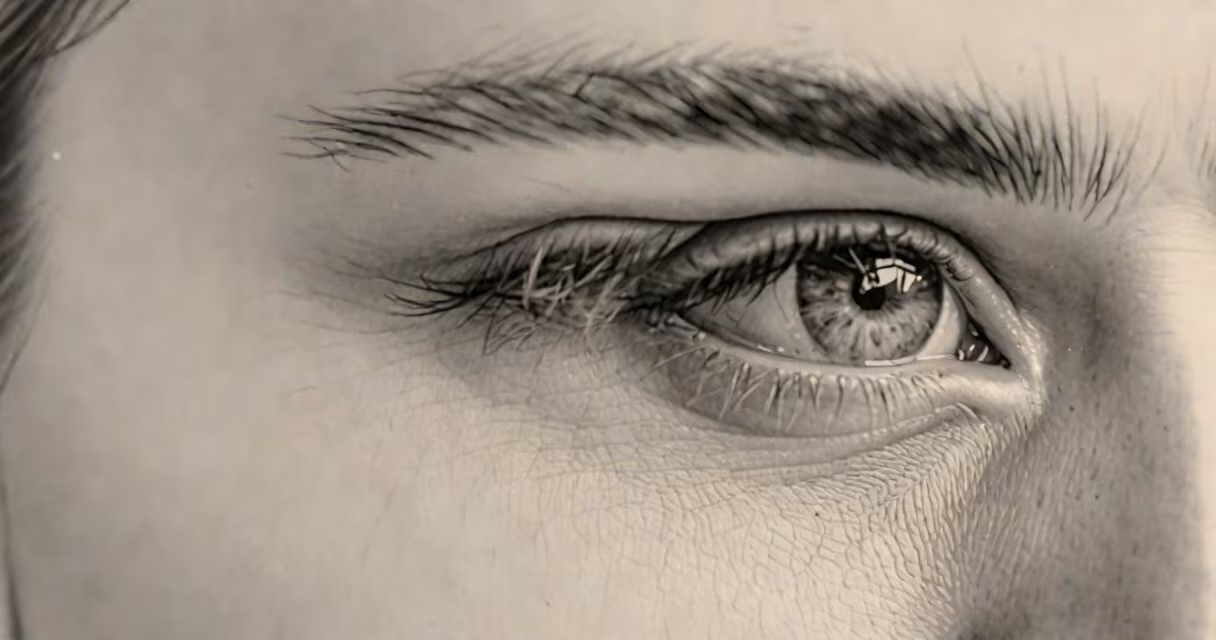
Pressure in your eyes occurs when increased intraocular or intracranial pressure affects the optic nerve, surrounding tissues, or visual pathways. It often feels like tightness, heaviness, or a dull ache behind or around the eyes, and can be linked to eye strain, migraines, sinus issues, or serious medical conditions such as glaucoma.
This sensation arises from physical or neurological stress on the structures within the skull. The eyes themselves don't generate pressure, but they're sensitive to changes in surrounding tissue, fluid, and nerve activity. When pressure builds in the brain or eye socket, it triggers discomfort that's often described as "fullness" or "tightness."
While occasional pressure is common and usually harmless, persistent or worsening pressure-especially with vision changes-requires evaluation. The American Academy of Ophthalmology notes that sudden onset of eye pressure with blurred vision or nausea may indicate acute angle-closure glaucoma, a medical emergency requiring immediate treatment.
Eye pressure results from fluid dynamics within the eye or from external forces affecting the head and face. The aqueous humor, a clear fluid produced in the anterior chamber, normally drains through the trabecular meshwork. When drainage slows or blocks, fluid accumulates, raising intraocular pressure (IOP).
Normal IOP ranges between 10 and 21 mm Hg. Levels above 21 mm Hg increase the risk of optic nerve damage. According to the National Eye Institute, elevated IOP affects about 3 million Americans, many of whom show no early symptoms. This silent progression underscores why regular eye exams are critical-even without pain or pressure, damage can occur.
External pressure can also come from muscle tension. Prolonged screen use leads to sustained convergence of the eyes, causing the extraocular muscles to tighten. This results in ocular strain, which patients describe as "pressure behind the eyes" during or after work sessions. A 2021 study in *Ophthalmic & Physiological Optics* found that 68% of office workers reported eye pressure after 4+ hours of computer use.
Pressure in the eyes isn't a single condition-it's a symptom with multiple origins. The most frequent causes include eye strain, migraines, sinus congestion, and glaucoma. Distinguishing among them requires attention to timing, accompanying symptoms, and duration.
| Source | Typical Sensation | Duration | Associated Symptoms |
|---|---|---|---|
| Eye strain | Dull, achy pressure behind eyes | Hours after screen use | Blurred vision, dry eyes, neck stiffness |
| Migraine | Pulsing pressure, often one-sided | 4-72 hours | Nausea, light sensitivity, aura |
| Sinusitis | Deep, throbbing pressure in forehead and cheeks | Days to weeks | Facial tenderness, nasal discharge, fever |
| Glaucoma | Constant pressure, gradual vision loss | Chronic, progressive | Peripheral vision loss, halos around lights |
One non-obvious distinction: pressure from sinus issues typically worsens when bending forward or lying down. This is due to increased sinus cavity pressure. In contrast, eye strain-related pressure improves with rest and blinking. Recognizing these patterns helps avoid misdiagnosis.
A personal observation: During a 12-hour coding session with minimal breaks, I experienced a steady pressure behind both eyes. After a 20-minute walk and screen-free time, the sensation faded completely. This aligns with clinical findings that micro-breaks reduce ocular strain by up to 40%, according to research published in *The Journal of Occupational Health Psychology*.
Not all eye pressure is benign. Sudden, severe pressure accompanied by nausea, vomiting, or rainbow-colored halos around lights may indicate acute angle-closure glaucoma. This occurs when the iris blocks the drainage angle, causing rapid IOP rise. Left untreated, it can cause permanent vision loss within hours.
The Mayo Clinic reports that acute glaucoma accounts for less than 10% of glaucoma cases but requires emergency care. Patients often delay seeking help because they mistake symptoms for headaches or fatigue. Early recognition is important-treatment within 24 hours prevents irreversible damage.
Other red flags include unilateral pressure with vision loss, double vision, or drooping eyelid. These may signal neurological issues such as orbital tumors or cranial nerve compression. A 2020 review in *Neurology* found that 15% of patients presenting with isolated eye pressure had undiagnosed brain lesions on MRI.
If pressure is mild and resolves with rest, hydration, and reduced screen time, it likely stems from eye strain. Use the 20-20-20 rule: every 20 minutes, look at something 20 feet away for 20 seconds. This reduces accommodative spasm and muscle fatigue.
For persistent or recurring pressure, consult an ophthalmologist. They'll measure IOP using tonometry and assess the optic nerve. If glaucoma is suspected, a visual field test checks for peripheral vision loss. The American Academy of Ophthalmology recommends baseline eye exams at age 40, increasing frequency based on risk factors like family history or diabetes.
Understanding why you have pressure in your eyes begins with tracking patterns: when it occurs, what activities precede it, and what relieves it. If pressure persists beyond a few days or worsens, seek professional evaluation. Early detection prevents complications, especially in conditions like glaucoma where vision loss is irreversible.