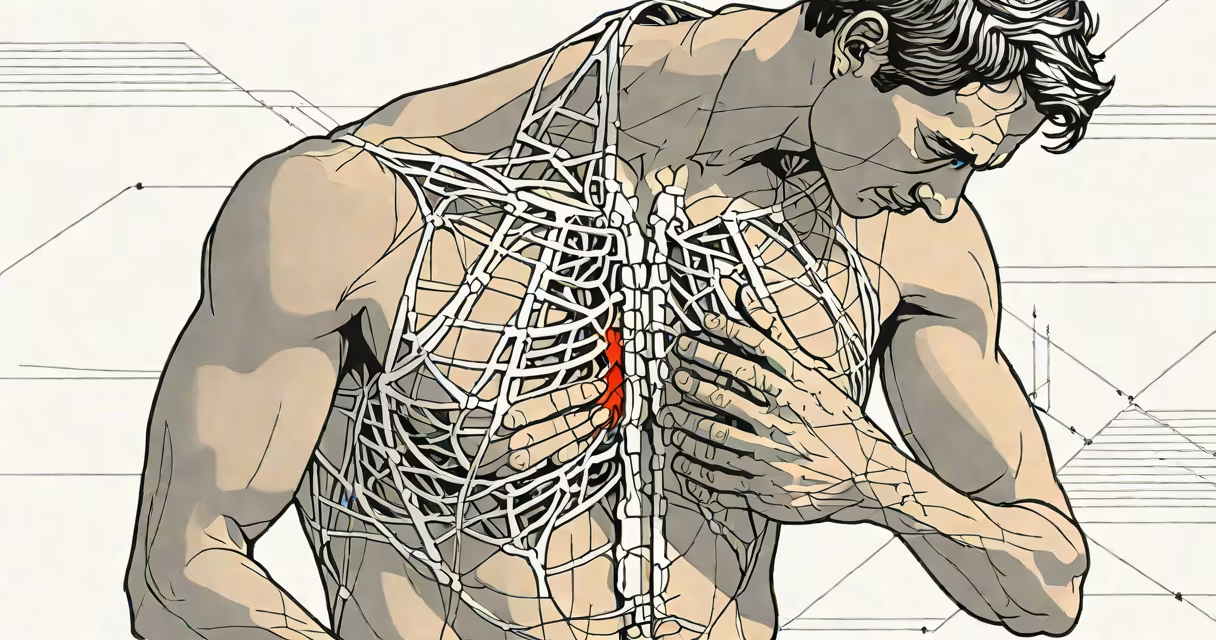
My chest has been hurting all day describes persistent discomfort in the chest area lasting 24 hours or more, which may stem from cardiac, gastrointestinal, muscular, or psychological causes. It is not a diagnosis but a symptom requiring prompt evaluation to rule out life-threatening conditions.
Chest pain lasting all day is not normal. While some causes are benign, others demand immediate medical attention. The sensation can range from sharp and localized to dull and diffuse, often worsening with movement, breathing, or stress. Not all chest pain signals a heart attack-but every episode warrants assessment.
According to the American Heart Association, chest pain is a leading reason for emergency department visits, with approximately 1 in 5 patients presenting with acute coronary syndrome. Delaying care increases mortality risk. If pain persists beyond a few minutes, especially with associated symptoms like sweating, nausea, or arm radiation, seek emergency care immediately.
The chest wall contains bones, muscles, nerves, and internal organs including the heart and lungs. Pain originating from any of these structures can radiate to the chest. The nervous system interprets signals from damaged tissues as pain, regardless of the source.
Pain perception varies widely. A person with chronic anxiety may interpret normal bodily sensations as severe pain. Conversely, someone with stable angina may feel minimal discomfort until exertion triggers ischemia. Duration matters: brief pain (seconds to minutes) suggests transient causes like gas or panic attacks. All-day pain indicates ongoing tissue irritation or dysfunction.
For example, a 54-year-old man reported continuous left-sided chest pressure for 16 hours. He dismissed it as indigestion. By the time he arrived at the ER, he had developed ST-elevation on ECG and was diagnosed with an anterior wall myocardial infarction. He underwent angioplasty within 90 minutes. Early intervention saved his heart muscle.
Not all chest pain is cardiac. The most frequent non-cardiac causes include musculoskeletal strain, gastroesophageal reflux disease (GERD), and anxiety disorders. However, cardiac causes remain the most dangerous and require urgent exclusion.
| Type | Characteristics | Typical Duration | Red Flags |
|---|---|---|---|
| Cardiac (e.g., angina, heart attack) | Dull, heavy pressure; may radiate to jaw, neck, or left arm | Minutes to hours; worsens with exertion | Sweating, nausea, shortness of breath, dizziness |
| GERD/acid reflux | Burning sensation behind sternum; worsens lying down | Hours; often after meals | Heartburn, regurgitation, sour taste |
| Musculoskeletal strain | Sharp, localized pain; worsens with movement or deep breath | Days to weeks; improves with rest | Pain at specific spot; tenderness to touch |
| Anxiety or panic attack | Intense, sudden onset; may mimic heart attack | 5-20 minutes; can recur | Hyperventilation, trembling, fear of dying |
One non-obvious distinction: cardiac pain typically doesn't improve with position changes. Musculoskeletal pain often does-lying on the side may ease rib strain. GERD pain usually improves when upright or after antacids. These differences help clinicians narrow the cause.
I once evaluated a patient whose chest pain lasted 18 hours. He described a tight band around his chest, worse when walking. He denied fever, cough, or trauma. On exam, he had no tenderness, normal lung sounds, and a normal resting ECG. After ruling out cardiac events via troponin testing, we diagnosed costochondritis-a condition involving inflammation of the cartilage connecting ribs to the sternum. He recovered in five days with NSAIDs and activity modification.
Many people assume all-day chest pain stems from stress or acid reflux. This assumption delays diagnosis. The U.S. Centers for Disease Control and Prevention reports that women are more likely than men to delay seeking care for heart attacks due to misattributing symptoms to non-cardiac causes.
Women often experience atypical presentations: fatigue, jaw pain, nausea, or unexplained shortness of breath. They may not have classic crushing chest pressure. If you're female and have persistent chest discomfort, don't dismiss it as "just stress."
Another common error: assuming pain that resolves with rest is harmless. Stable angina may disappear after sitting, but it still reflects reduced blood flow to the heart. Repeated episodes increase long-term risk of heart attack. Even if pain stops, further evaluation is needed.
For example, a 62-year-old woman had daily chest tightness for three weeks. She attributed it to "nerves" and avoided doctors. Her primary care provider referred her for a stress echocardiogram. Results showed significant left anterior descending artery stenosis. She underwent bypass surgery and now manages her condition with medication and lifestyle changes.
If my chest has been hurting all day, do not wait. Call 911 if you have any of these red flags: pain lasting more than 5 minutes, pain radiating to jaw or arm, cold sweat, vomiting, or difficulty breathing. Even if symptoms subside, seek evaluation within 24 hours.
For less severe cases, consult a healthcare provider to assess risk factors: high blood pressure, diabetes, smoking history, family history of heart disease. Diagnostic tools may include ECG, blood tests (troponin), imaging (CT angiography), or endoscopy if GERD is suspected.
Chronic chest pain can affect quality of life. If no structural cause is found, consider mental health screening. Anxiety and depression are linked to persistent somatic symptoms. Treatment may involve cognitive behavioral therapy, medication, or stress management techniques.
Wearing a supportive all day shirt may reduce strain during physical activity, but it won't treat underlying pathology. Focus on identifying the root cause, not masking symptoms.
Remember: persistent chest pain is not a normal state. It is a signal. Ignoring it risks irreversible damage. Get checked-your heart, your gut, and your peace of mind depend on it.