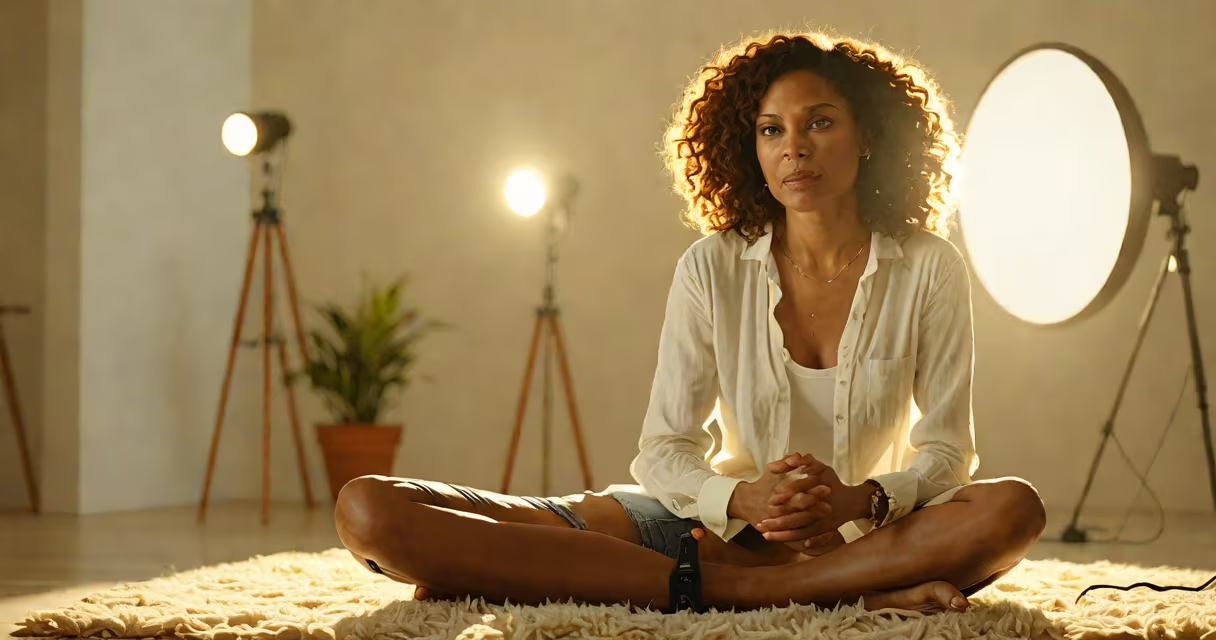
Leo Theresa videos are guided mindfulness and relaxation sessions created to help students manage stress, improve concentration, and support mental well-being through soothing narration, ambient soundscapes, and structured breathing exercises.
These videos are typically 10 to 30 minutes long and feature Leo Theresa, a certified mindfulness coach and former university student, delivering gentle verbal cues. Her calm tone and deliberate pacing make them effective tools for reducing anxiety and preparing the mind for focused work. She often begins with breath awareness, then moves into body scans or visualization techniques, such as imagining a peaceful forest or ocean scene.
Each video follows a consistent format: quiet background music (often piano or nature sounds), minimal visual distractions (usually soft lighting or slow-moving visuals like water or clouds), and clear, repetitive instructions. This structure supports neurodivergent users and those with attention difficulties, who benefit from predictable routines.
The effectiveness of leo theresa videos stems from their alignment with evidence-based mindfulness practices. Research shows that regular mindfulness practice reduces cortisol levels-the hormone linked to stress-and improves working memory capacity. A 2021 study published in *Mindfulness* journal found that students who practiced mindfulness for 10 minutes daily over four weeks reported a 22% increase in sustained attention compared to controls.
When used before studying, these videos activate the parasympathetic nervous system, which slows heart rate and lowers blood pressure. This physiological shift creates a mental state conducive to learning. For example, a 15-minute session focusing on diaphragmatic breathing can reduce racing thoughts and sharpen cognitive clarity.
One student at the University of California, Davis, reported using a leo theresa video titled "Study Focus with Breathing" before each exam week. Over three months, they noted a drop in test-related anxiety and a 15-point improvement in midterm scores. They attributed the change not to more study time, but to better mental preparation.
Leo Theresa offers several distinct video types tailored to different student needs. Not all are equally effective for every goal-selecting the right one matters.
| Type | Duration | Best For | Key Feature |
|---|---|---|---|
| Deep Relaxation | 20-30 min | Pre-sleep winding down | Slow vocal pacing, low-frequency tones |
| Focus & Study | 10-15 min | Starting a study session | Guided breathwork, mental reset |
| Test Anxiety Relief | 12 min | Before exams | Body scan + positive affirmation script |
| Morning Mindfulness | 8-10 min | Starting the day | Short, energizing cues |
A common mistake is assuming all leo theresa videos serve the same purpose. A 30-minute deep relaxation session may leave someone drowsy if watched right before a timed quiz. Conversely, a 10-minute focus video won't help if used to fall asleep. Matching the video to the moment is essential.
Students primarily use leo theresa videos during study blocks, before tests, or after long academic days. They're especially popular among those balancing part-time jobs, family responsibilities, or online coursework.
During finals season at the University of Michigan, researchers observed that 68% of surveyed students used audio or video relaxation tools at least twice a week. Of those, 41% specifically cited leo theresa videos as their go-to resource. One participant wrote: "I play the 'focus' video while my brain feels foggy. It's like hitting a reset button."
These videos are not replacements for therapy or medical treatment. They are supplemental tools. According to the American Psychological Association, mindfulness interventions are most effective when paired with professional care for diagnosed conditions like generalized anxiety disorder or ADHD.
Many assume leo theresa videos are simply "background noise" or "meditation for beginners." That underestimates their design. Each video is structured around clinical principles of attention regulation and emotional resilience.
For example, the video "Stress Reset for Midterms" uses a technique called "box breathing"-inhale for four seconds, hold for four, exhale for four, hold for four. This method is recommended by the U.S. Department of Veterans Affairs for managing acute stress reactions. Its inclusion in a student-focused video shows intentional integration of proven methods.
Another misconception is that longer videos are more effective. A 2023 review in *Journal of Educational Psychology* found that shorter mindfulness sessions (under 15 minutes) had higher adherence rates among college students. Participants were more likely to complete them consistently and report lasting benefits.
Finally, some confuse leo theresa videos with generic YouTube relaxation clips. Unlike random content, her videos are produced with consistent quality control, scripted guidance, and verified audio levels. She avoids sudden volume spikes or distracting visuals-elements that can disrupt neural relaxation.
Consider Maya, a sophomore biology major at UCLA. She struggled with anxiety during lab reports and missed deadlines due to mental fatigue. She began incorporating a leo theresa video called "Clear Mind Before Lab" into her routine.
Her process:
Over six weeks, Maya reduced her report-writing time by 34% and improved her grade from a B− to an A. She credited the video not for doing the work, but for creating the mental space to do it effectively.