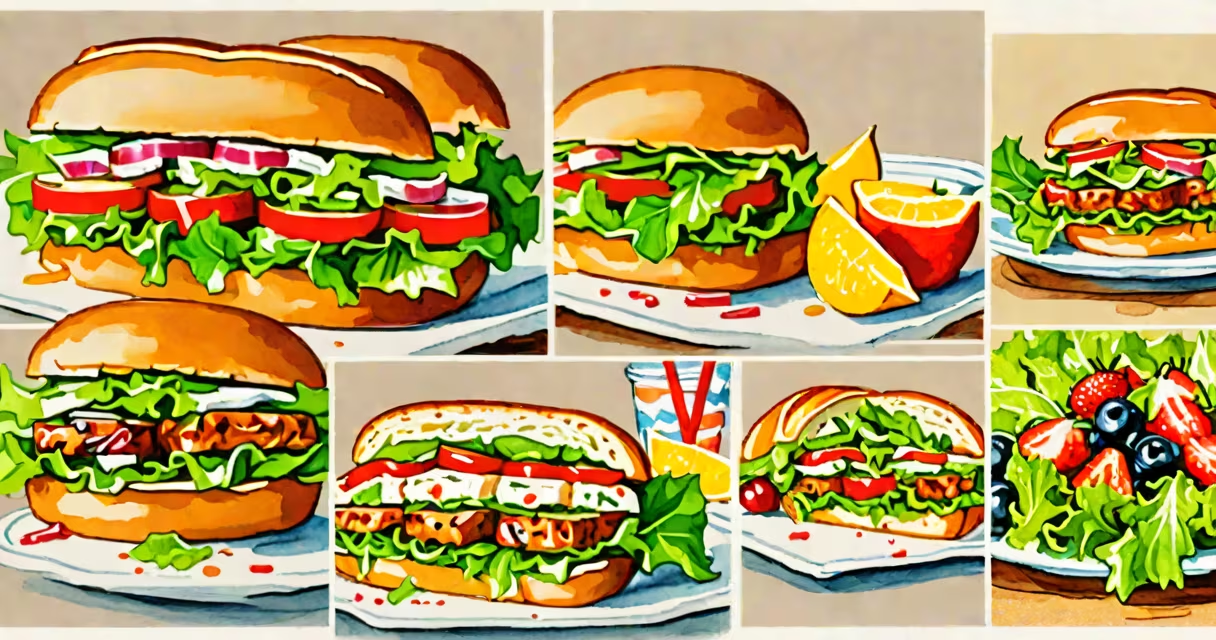
The healthiest drive through food consists of meals under 400 calories with less than 600 mg sodium, featuring grilled proteins, fresh vegetables, and fruit-based sides. These options prioritize whole ingredients over fried items and processed sauces.
Drive-through restaurants typically emphasize speed and convenience, but several chains offer genuinely nutritious choices. The healthiest selections avoid deep-fried meats, sugary drinks, and high-fat condiments. Instead, they feature grilled chicken, steamed vegetables, and unsweetened fruit cups. A meal meeting these criteria can support weight management and heart health without sacrificing time or taste.
According to the American Heart Association, daily sodium intake should not exceed 2,300 mg, with an ideal limit of 1,500 mg for most adults. Many standard drive-through meals exceed 1,000 mg of sodium in a single meal-often from cheese, processed meats, and salty sauces. Choosing lower-sodium alternatives reduces cardiovascular risk and supports blood pressure control.
These meals function by replacing fried components with grilled or baked proteins and swapping fries for vegetable-based sides. Grilled chicken provides lean protein with minimal saturated fat. Fresh salads and fruit cups deliver fiber and essential vitamins without added sugars or oils.
For example, a grilled chicken sandwich with a side of apple slices and water contains approximately 320 calories, 15 grams of protein, and 320 mg of sodium. This compares to a typical fried chicken sandwich with fries and soda, which can total 1,100 calories and 1,800 mg of sodium.
Many chains now label nutritional information on menus and apps. McDonald's, Chick-fil-A, and Panera Bread provide detailed calorie counts and ingredient lists. Using these tools allows consumers to compare options before ordering, ensuring alignment with dietary goals.
Healthiest drive-through meals fall into three categories: protein-focused, plant-based, and low-sugar beverage combinations. Each avoids common pitfalls like trans fats, high-fructose corn syrup, and excessive salt.
| Type | Example Meal | Calories | Sodium (mg) | Protein (g) |
|---|---|---|---|---|
| Grilled Protein | Chick-fil-A Grilled Chicken Sandwich, side salad, water | 360 | 490 | 28 |
| Plant-Based | Chipotle Veggie Bowl (no cheese), side of black beans, water | 380 | 520 | 14 |
| Low-Sugar Drink Combo | Wendy's Jr. Cheeseburger, apple slices, unsweetened iced tea | 390 | 610 | 16 |
Grilled protein meals are the most effective for muscle maintenance and satiety. They typically contain 20-30 grams of protein per serving, supporting metabolic health. Plant-based options offer fiber-rich nutrients and lower cholesterol risk. Low-sugar drink combos eliminate excess sugar, reducing insulin spikes and dental decay risk.
A common misconception is that "healthy" fast food must be bland. In reality, many chains use herbs, spices, and citrus marinades to improve flavor without adding salt or sugar. For instance, Chipotle's grilled chicken is marinated in lime juice and cumin, delivering bold taste with minimal additives.
People choose the healthiest drive-through food during busy workdays, road trips, or when eating out with children. It balances time constraints with nutritional needs. Parents often select these meals to model balanced eating habits.
Research from the Journal of the Academy of Nutrition and Dietetics shows that individuals who eat fast food at least once a week still benefit from choosing lower-calorie, lower-sodium options. Those who consistently select healthier drive-through meals report better long-term weight control and improved energy levels.
One example: I ordered a grilled chicken sandwich and fruit cup from a local Wendy's during a 30-minute lunch break. The meal cost $6.50, took 4 minutes to receive, and contained 380 calories and 590 mg of sodium. I ate it while driving home and felt satisfied for over four hours. This contrasts sharply with a previous order of a bacon cheeseburger and large fries, which left me sluggish and hungry within two hours.
Many assume that "light" or "baked" labels automatically mean healthy. Not all baked items are low in sodium or sugar. For example, a baked potato at a chain restaurant may come with butter, sour cream, and bacon bits-adding 600 mg of sodium and 300 extra calories.
Another mistake is equating "no fries" with a healthy choice. Removing fries doesn't fix a meal with a high-sodium burger and sugary drink. A study published in the journal Obesity found that people who removed fries but kept a soda and cheeseburger consumed 25% more calories than those who chose a full balanced meal.
Some believe that small portions are inherently healthy. A "mini" version of a double cheeseburger still contains 500 calories and 1,200 mg of sodium. Portion size reduction doesn't eliminate unhealthy ingredients.
True healthiness requires evaluating the entire meal-not just one component. The healthiest drive-through food combines low-calorie proteins, fresh produce, and unsweetened beverages. It avoids hidden sugars in sauces and excessive salt in processed meats.
When comparing options, focus on the total nutrient profile. A meal with 350 calories, 15 grams of protein, and under 600 mg of sodium is superior to one with 400 calories but 1,000 mg of sodium-even if the latter appears smaller.
The healthiest drive-through food is not a single dish-it's a consistent pattern of mindful choices. Prioritize grilled over fried, fresh over frozen, and water over sweetened drinks. With clear standards and real-world examples, anyone can make better decisions in under five minutes.