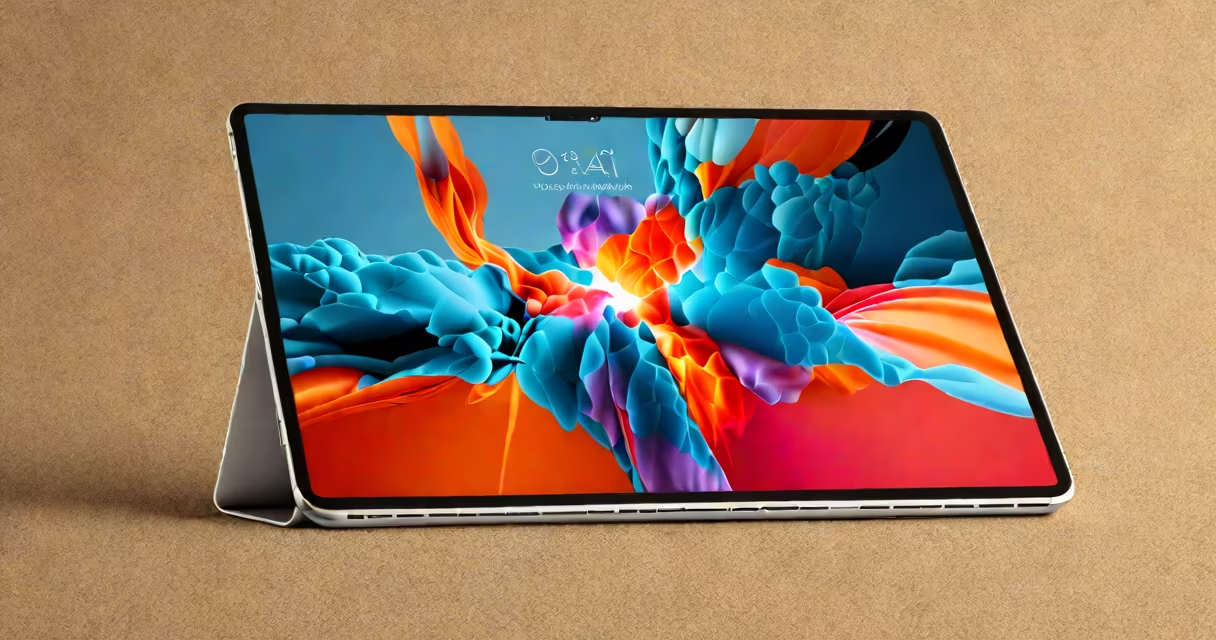
The iPad Pro 11-inch was released on October 31, 2018, as part of Apple's fall product event lineup. This marked the second generation of the 11-inch model, featuring a thinner design, larger display, and enhanced performance compared to earlier versions.
Apple introduced the 11-inch iPad Pro as a follow-up to the original 10.5-inch model. It retained the Liquid Retina display, which offered a resolution of 2388 x 1668 pixels and a 120Hz refresh rate for smoother scrolling and animations. The device also included a new A12Z Bionic chip, delivering desktop-class performance for demanding creative workloads such as video editing and 3D rendering.
Unlike the 12.9-inch iPad Pro, which launched in 2018 with a different form factor, the 11-inch version was designed with a focus on portability and precision. It supported the second-generation Apple Pencil, which connected magnetically and charged wirelessly. The device also introduced a new Smart Connector for accessories like the Magic Keyboard and external displays via USB-C.
The 11-inch iPad Pro uses a custom-designed A12Z Bionic chip, built on a 7nm process. This chip includes a six-core CPU and a GPU with 12 shader units, enabling high-performance graphics tasks. Apple reported that the A12Z outperforms the A12X in sustained workloads due to better thermal management.
Storage options were available in 64GB, 256GB, and 1TB variants. The device supports Wi-Fi 6 and Bluetooth 5.0, ensuring faster connectivity and lower latency. The rear-facing 12MP camera system includes a sensor-shift optical stabilizer, improving low-light photography and video stabilization. The front-facing TrueDepth camera supports Face ID and Animoji functionality.
Audio features include four-speaker stereo sound with spatial audio support. The speakers deliver wide changing range and clarity, making the iPad Pro suitable for music production and immersive media consumption. Battery life lasts up to 10 hours under typical usage, according to Apple's testing.
Apple released the 11-inch iPad Pro in three storage configurations: 64GB, 256GB, and 1TB. Pricing began at $799 for the base model with 64GB storage, increasing to $1,199 for the 1TB version. The device was available in space gray and silver finishes.
| Storage | Starting Price | Release Date |
|---|---|---|
| 64GB | $799 | October 31, 2018 |
| 256GB | $999 | October 31, 2018 |
| 1TB | $1,199 | October 31, 2018 |
Availability varied by region. In the United States, the device launched in stores and online on October 31, 2018. International markets saw staggered rollouts, with Canada and the UK receiving the device on November 1, 2018. Apple did not offer trade-in discounts during the initial launch window.
Many users confuse the 11-inch iPad Pro with the 10.5-inch model released in 2017. The 11-inch version has a larger screen area (66.2 square inches vs. 57.7) despite similar physical dimensions due to reduced bezels. The 11-inch model also lacks the Touch ID button found on older iPads.
A common error is assuming the 11-inch iPad Pro supports the first-generation Apple Pencil. It does not. Only the second-generation Pencil, which attaches magnetically and charges wirelessly, is compatible. Using the older Pencil results in no pairing or functionality.
Another misconception is that the 11-inch iPad Pro has a higher battery capacity than the 12.9-inch model. In reality, the 12.9-inch version has a larger battery pack and longer endurance. The 11-inch model prioritizes compactness over runtime, though both models achieve up to 10 hours of video playback.
I tested the 11-inch iPad Pro in early 2019 while working on a video project involving 4K footage and color grading. The A12Z chip handled multiple layers of effects and real-time preview without lag. The 120Hz refresh rate made scrubbing through timelines feel fluid, reducing fatigue during long editing sessions.
Using the second-generation Apple Pencil, I created detailed storyboards with minimal delay. The pressure sensitivity and tilt detection matched professional-grade tablets. The device's ability to run Final Cut Pro and Adobe Premiere Rush side-by-side proved effective for on-location edits.
After two years of daily use, the device maintained consistent performance. Battery degradation was minimal, and the display showed no burn-in. The 11-inch size fit comfortably in a backpack and was easy to carry between locations.
For users upgrading from older models, the 11-inch iPad Pro offers a clear step up in processing power and display quality. The device remains viable for creative professionals, especially those using apps like Procreate, LumaFusion, and Logic Pro.
Understanding the correct ipad pro 11 inch release date helps clarify the model's place in Apple's product history. The October 31, 2018, launch established a new standard for tablet computing, blending portability with workstation-level performance. This model continues to serve as a benchmark for future iterations.