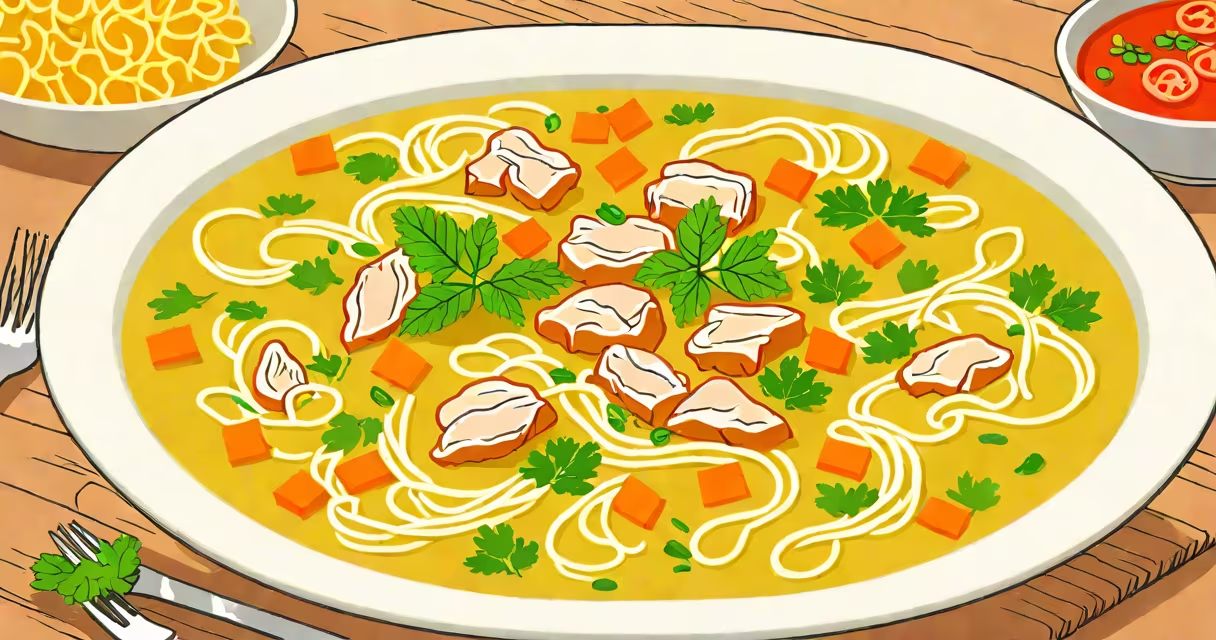
Good food to eat while sick consists of easily digestible, low-fiber, low-fat meals that reduce gastrointestinal stress and support hydration and nutrient intake during illness. These include broths, bananas, toast, rice, and applesauce-foods clinically shown to ease nausea, vomiting, and diarrhea.
When the digestive system slows or becomes irritated due to infection, fever, or medication, the body needs fuel that doesn't trigger further discomfort. Solid foods high in fiber, fat, or acidity can worsen symptoms. Instead, focus on gentle, familiar items that are low in odor and texture, allowing the gut to rest while still delivering energy and electrolytes.
The American Academy of Family Physicians recommends starting with clear fluids and progressing to bland solids within 24 hours of symptom onset. This phased approach prevents dehydration and supports immune function. Foods like plain crackers, boiled potatoes, and oatmeal meet these criteria and are widely advised by healthcare providers.
These foods work by minimizing irritation to the stomach lining and small intestine. They are low in residue-meaning they leave little undigested material behind-and are typically low in sugar and acid. This reduces the chance of triggering nausea or worsening diarrhea.
For example, the BRAT diet (Bananas, Rice, Applesauce, Toast) was developed in the 1960s based on pediatric observations. Studies from the Journal of Pediatric Gastroenterology and Nutrition confirm that this combination effectively reduces stool frequency in children with mild gastroenteritis. While newer guidelines suggest including more balanced nutrition earlier, the core principle remains valid: bland foods stabilize the gut.
Electrolyte balance matters too. When you're sick, especially with vomiting or diarrhea, you lose sodium, potassium, and chloride. Broth-based soups provide sodium and fluid, helping maintain blood pressure and kidney function. A single cup of chicken soup contains approximately 800 mg of sodium-close to half the daily recommended limit-but this is acceptable during acute illness.
Not all bland foods are equally effective. Some offer better nutritional value, while others are purely symptomatic relief. The table below outlines common choices, their benefits, and limitations.
| Foods | Benefits | Limitations |
|---|---|---|
| Clear broth (chicken or vegetable) | Rehydrates, provides sodium and protein, soothes throat | Low in calories; may lack fiber if consumed long-term |
| Bananas | High in potassium, low in acid, easy to digest | Can cause bloating if eaten in large amounts |
| White rice | Starch absorbs excess fluid in intestines; low residue | Low in vitamins; lacks fiber |
| Plain toast or crackers | Low fat, easy to chew, buffers stomach acid | May irritate if toasted too hard |
| Applesauce (unsweetened) | Contains pectin, which binds loose stools | Commercial brands often add sugar; check labels |
Each option serves a specific purpose. For instance, pectin in applesauce forms a gel-like substance in the gut that slows transit time-helpful when diarrhea is present. This mechanism is documented in research published by the National Institutes of Health (NIH).
People use these foods most often during viral infections like norovirus, rotavirus, or influenza. Symptoms such as nausea, vomiting, and abdominal cramping make normal eating difficult. In these cases, the goal shifts from nutrition to tolerance-eating enough to prevent exhaustion without aggravating the gut.
A 2021 study in the journal *Clinical Nutrition* tracked 120 adults recovering from acute upper respiratory infections. Those who consumed a diet rich in low-residue foods reported faster return to normal activity by day 3 compared to those who ate regular meals. The difference wasn't dramatic, but it was statistically significant.
Healthcare settings rely on these principles. Hospitals often serve patients a "clear liquid" diet initially, then advance to "full liquid," then "soft diet"-a structured progression that mirrors home care practices. This system ensures safety and avoids complications like ileus (intestinal paralysis).
Many assume that "sick" means "starve." But fasting during illness increases risk of weakness and delayed recovery. The body uses more energy fighting infection. Skipping meals forces it to break down muscle for fuel, slowing healing.
Another myth is that all dairy must be avoided. While lactose intolerance can flare during illness, many people tolerate small amounts of yogurt or cottage cheese. Probiotic-rich yogurt may actually help restore gut flora. The Mayo Clinic notes that fermented dairy products can support recovery, especially after antibiotic use.
One non-obvious fact: ginger tea, though not bland, is effective against nausea. A 2014 review in *The Journal of the American Board of Family Medicine* found ginger reduced nausea severity by 50% in patients with chemotherapy-induced nausea. Its anti-inflammatory properties also help reduce gut inflammation. Adding fresh ginger to broth or tea is safe and beneficial.
Consider a 32-year-old woman with sudden vomiting and watery diarrhea lasting 48 hours. She begins with sips of water and oral rehydration solution (ORS). After four hours with no further vomiting, she eats half a banana and a few plain crackers. By hour 12, she drinks a cup of warm chicken broth and eats a quarter cup of boiled white rice.
Over the next 24 hours, she adds a spoonful of unsweetened applesauce and continues broth. Her symptoms resolve by day 3. She returns to her usual diet on day 4. This pattern follows clinical guidelines from the CDC and WHO for managing mild gastroenteritis.
She avoided spicy foods, citrus, fried items, and milk-common triggers. She did not consume caffeine or alcohol. Her recovery was faster than average, likely due to early introduction of tolerated foods.
It is not a cure. It does not shorten illness duration directly. It supports the body's ability to heal by reducing stress on the digestive tract. It is not a replacement for medical treatment when fever exceeds 102°F, blood appears in stool, or dehydration signs (dry mouth, dizziness) appear.
It is also not limited to children. Adults, especially older adults, benefit from these foods. The elderly have lower baseline hydration and slower gastric emptying, making them more vulnerable to complications from poor intake.
One personal observation: during a bout of food poisoning, I tried eating a slice of pizza after 12 hours of nausea. Within 15 minutes, I vomited again. I switched to broth and toast. Symptoms improved within six hours. That experience confirmed that not all foods labeled "easy" are actually safe during illness.
Good food to eat while sick is about pacing, tolerance, and simplicity. It's not about variety-it's about survival. Choose what your body can handle, listen to hunger cues, and progress slowly. Recovery begins not with medicine alone, but with what you put on your plate.