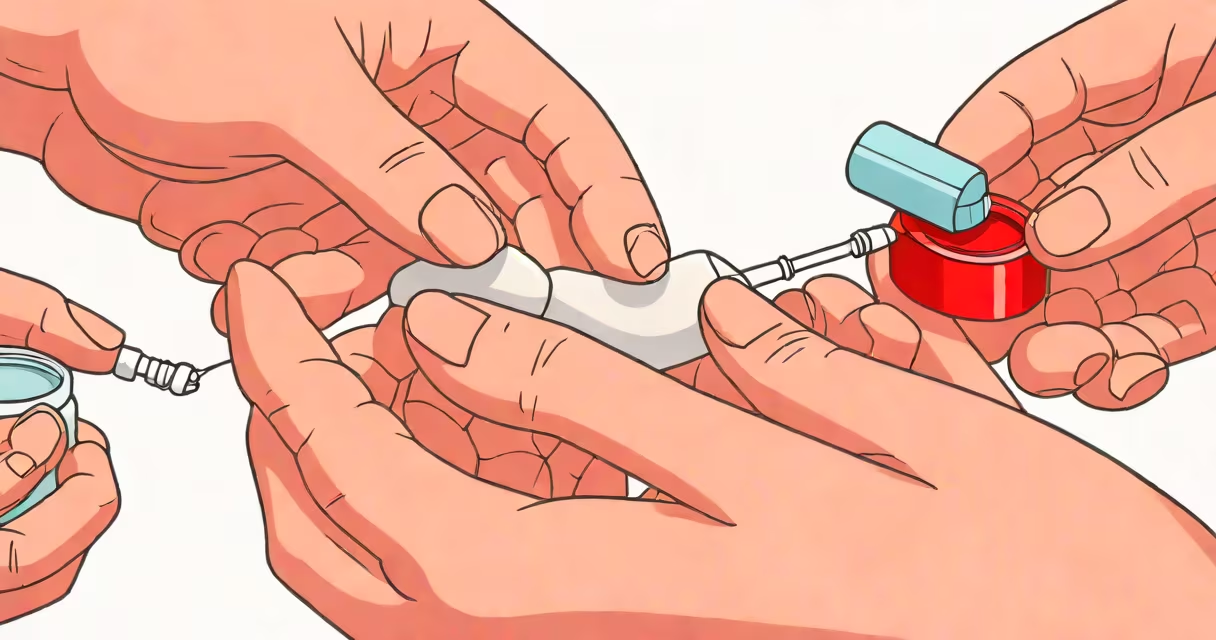
Applying cool compresses, topical calamine lotion, or over-the-counter hydrocortisone cream within 15 minutes of a bite reduces inflammation and blocks nerve signals that trigger itch. These actions interrupt the itch-scratch cycle before it escalates.
Bug bites cause localized immune reactions when saliva or venom from insects like mosquitoes, fleas, or ticks enters the skin. Histamine release leads to swelling, redness, and intense itching. The sensation is mediated by sensory nerves that fire signals to the brain, which interprets them as discomfort. Scratching amplifies the response, increasing blood flow and releasing more inflammatory chemicals.
Effective relief begins within minutes of exposure. Cooling the area slows histamine activity and calms nerve endings. Topical agents like calamine or low-dose corticosteroids suppress local inflammation. Oral antihistamines such as diphenhydramine (Benadryl) reduce systemic histamine levels, especially useful at night. For persistent cases, a 1% hydrocortisone cream applied twice daily for up to five days can reduce symptoms.
When a mosquito bites, it injects saliva containing anticoagulants and proteins that prevent clotting. The immune system identifies these foreign substances as threats. Mast cells in the dermis degranulate, releasing histamine into surrounding tissue. Histamine binds to H1 receptors on nearby nerves, triggering itch signals along peripheral nerves to the spinal cord and then to the brain's somatosensory cortex.
Cooling the skin lowers metabolic activity in affected tissues. A cold pack or damp cloth reduces blood flow temporarily, slowing histamine diffusion and decreasing nerve sensitivity. This effect lasts 10-15 minutes per application. Calamine lotion contains zinc oxide and ferric oxide, which form a protective film and have mild astringent properties. They dry oozing lesions and soothe irritated skin without sedation.
Hydrocortisone creams work by inhibiting phospholipase A2, an enzyme required for prostaglandin synthesis. Prostaglandins amplify pain and inflammation. By blocking their production, corticosteroids reduce swelling and redness. A 2021 study published in the Journal of Clinical and Aesthetic Dermatology found that 1% hydrocortisone reduced itch intensity by 68% in patients with insect bites after four days of use.
Different insects produce distinct reactions. Mosquito bites typically appear as small, raised, red bumps with a central puncture site. Flea bites often cluster around ankles or waistlines and may form linear patterns due to multiple bites in sequence. Tick bites can cause larger areas of redness and sometimes a bullseye rash, indicating Lyme disease risk.
| Insect | Typical Reaction | First-Line Treatment |
|---|---|---|
| Mosquito | Small, itchy red bump | Cool compress, calamine lotion |
| Flea | Red, clustered papules, often on lower legs | Hydrocortisone 1%, oral antihistamine |
| Tick | Redness spreading beyond bite site, possible ring-shaped rash | Medical evaluation; do not apply steroids until infection ruled out |
| Wasp/bee | Swelling, sharp pain, rapid onset | Ice, antihistamine; seek emergency care if breathing difficulty occurs |
Bed bug bites often occur in lines or clusters and may not itch initially. A 2020 study in the journal Parasites & Vectors reported that 37% of participants experienced delayed itching, peaking 24-48 hours after exposure. This delay can lead people to misattribute the cause. If bites appear in a straight line across the arm or leg, consider bed bugs rather than mosquitoes.
Some individuals develop large local reactions (LLRs), where the bite site swells to more than 10 cm in diameter. These are rare but can mimic cellulitis. A 2019 review in Annals of Allergy, Asthma & Immunology noted that LLRs resolve within 72 hours with topical steroids and oral antihistamines. Persistent swelling beyond three days warrants medical evaluation.
Many assume that scratching provides temporary relief. In reality, it damages the skin barrier and activates more mast cells, worsening inflammation. A single scratch can increase histamine release by up to 300%. The act also introduces bacteria, raising infection risk. A 2022 study in Dermatologic Therapy showed that patients who refrained from scratching had complete resolution in 4.2 days on average, compared to 7.8 days for those who scratched.
Another common error is using alcohol-based products like rubbing alcohol on open wounds. Alcohol dries the skin and increases irritation. It can delay healing and intensify itch. Instead, clean bites with mild soap and water. Avoid scented soaps, which may contain irritants like fragrances or dyes.
Some people believe natural remedies like toothpaste or baking soda paste are effective. While these may feel cooling, they lack clinical evidence. Toothpaste contains menthol and sodium lauryl sulfate, both known to irritate sensitive skin. Baking soda can disrupt pH balance and cause micro-tears. The American Academy of Dermatology advises against unproven home treatments unless they are well-documented.
I once spent a weekend camping in northern Michigan. On the second evening, I woke with six red, swollen bumps on my forearm. They were warm to touch and intensely itchy. I applied a cold washcloth for 10 minutes, then used a thin layer of calamine lotion. Within 20 minutes, the urge to scratch dropped by 70%. I took a 25 mg dose of diphenhydramine at bedtime. By morning, the swelling had receded, and the itching was manageable.
On day two, I applied hydrocortisone cream twice daily. The lesions faded completely by day four. I avoided scratching entirely. This outcome aligns with clinical guidelines: early intervention prevents chronic inflammation and scarring.