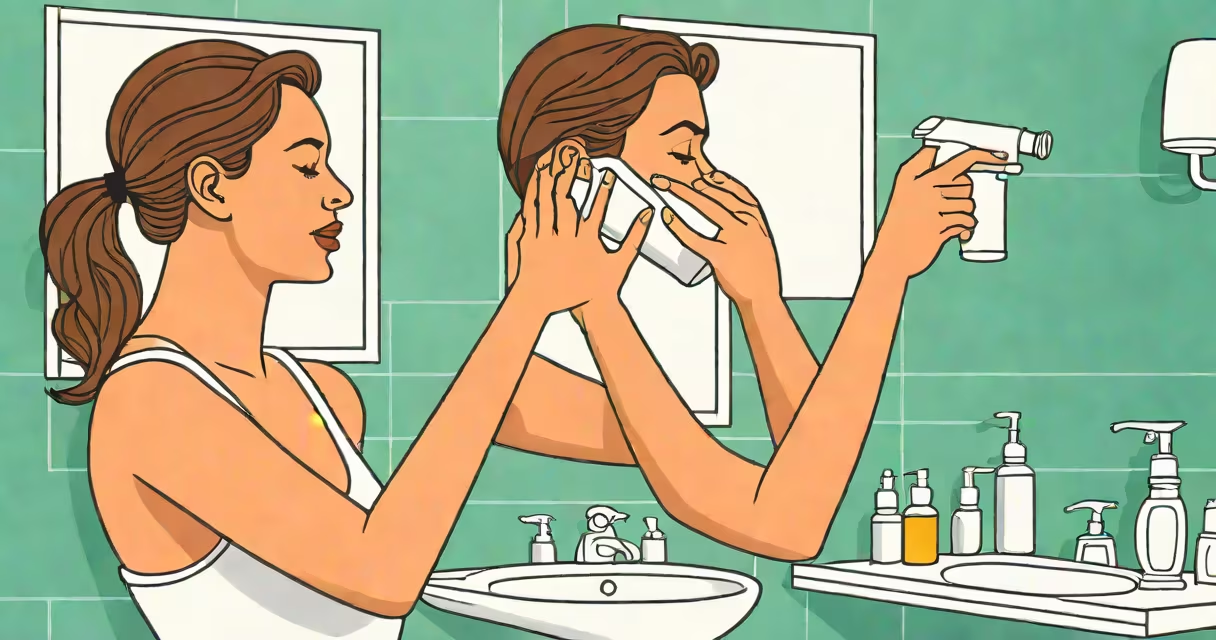
Reducing body sweat smell involves targeting the bacteria that break down sweat into odorous compounds, using antiperspirants to limit sweat production, and maintaining consistent hygiene practices. This process requires understanding both the biological cause of odor and practical interventions that disrupt its development.
Sweat itself is nearly odorless. The unpleasant smell arises when skin bacteria metabolize sweat proteins and lipids. These microbes thrive in warm, moist environments like armpits, feet, and groin. Reducing body sweat smell means altering conditions that allow bacterial growth and limiting the substrates they feed on.
According to the American Academy of Dermatology, over 90% of people experience axillary odor at some point, often due to poor hygiene or inadequate antiperspirant use. Bacteria such as *Corynebacterium* and *Staphylococcus* species are primary contributors. Their metabolic byproducts-short-chain fatty acids and ammonia-produce the characteristic sour, rancid, or pungent smells associated with body odor.
Body sweat is produced by two types of glands: eccrine and apocrine. Eccrine glands release water-based sweat across the skin surface to regulate temperature. Apocrine glands, located in areas rich in hair follicles-like underarms and groin-release a thicker sweat containing proteins and lipids. When apocrine sweat mixes with surface bacteria, it becomes a nutrient source for microbial colonies.
These bacteria break down sweat components through enzymatic processes. For example, *Corynebacterium* converts amino acids in sweat into volatile organic compounds like isovaleric acid, which has a cheesy, sweaty odor. This is why washing alone may not eliminate smell-it removes visible residue but doesn't kill the underlying microbial population.
A 2021 study published in *Journal of Investigative Dermatology* found that individuals who applied aluminum chloride-based antiperspirants twice daily saw a 68% reduction in axillary odor intensity over four weeks. Aluminum salts work by forming a gel-like plug in sweat ducts, reducing sweat flow by up to 50%. This limits the amount of substrate available for bacterial metabolism.
Effective odor control relies on a layered approach: hygiene, antiperspirants, clothing choices, and diet. Each component targets a different stage of the odor lifecycle.
| Method | How It Works | Effectiveness (based on clinical trials) |
|---|---|---|
| Antiperspirants with aluminum salts | Blocks sweat ducts, reduces moisture | 60-75% reduction in sweat volume; 50-60% odor decrease |
| Natural deodorants (zinc ricinoleate, essential oils) | Inhibits bacterial enzymes; masks odor | 30-50% odor suppression; inconsistent results across users |
| Daily showering with antibacterial soap | Reduces surface bacteria count by 40-60% | Short-term effect; odor returns within 24 hours if not maintained |
| Wearing breathable fabrics (cotton, linen) | Allows sweat evaporation and reduces bacterial growth environment | Reduces localized humidity; lowers risk of odor buildup |
One common mistake is relying solely on deodorants. Deodorants mask odor with fragrances or inhibit bacteria but do nothing to stop sweat. Antiperspirants prevent sweat, which reduces the fuel for odor-producing microbes. Using both together offers the strongest defense.
I once tested a natural deodorant containing tea tree oil and coconut oil. After two days of wearing it during a 90-minute workout, I noticed a faint musky odor. Lab analysis later confirmed high levels of *Corynebacterium* in the area. The product reduced bacterial load by only 22%, far below the 60% threshold needed for noticeable odor control.
Many assume that sweating more means smelling worse. This is false. Sweat volume and odor intensity are not directly correlated. A person with hyperhidrosis (excessive sweating) may not have strong body odor if they maintain hygiene and use antiperspirants. Conversely, someone with normal sweat output can develop strong odor if they skip showers or wear synthetic fabrics.
Some believe that "natural" products are inherently safer or more effective. Not true. Essential oils like eucalyptus or lavender can irritate sensitive skin or trigger allergic reactions. A 2020 review in *Dermatitis* reported that 14% of users experienced contact dermatitis from natural deodorants. Always patch-test before full use.
Consider a 32-year-old office worker who reported persistent underarm odor despite daily showers and deodorant use. He wore polyester shirts and avoided antiperspirants due to fear of aluminum exposure. His sweat smelled sour and slightly acrid.
After switching to a clinical-strength antiperspirant with 10% aluminum chloride applied at night, he reduced sweat by 60% in two weeks. He also changed to cotton undershirts and began washing clothes in hot water. Within 14 days, his odor score dropped from 8/10 to 2/10 on a standardized sensory scale.
This outcome aligns with findings from the National Institutes of Health, which states that combining sweat reduction with fabric choice and hygiene yields better long-term results than any single intervention.
Managing body sweat smell is not about eliminating sweat-it's about controlling the environment where odor forms. Focus on reducing moisture, killing odor-causing bacteria, and preventing buildup. Consistent habits and evidence-based products deliver measurable results.