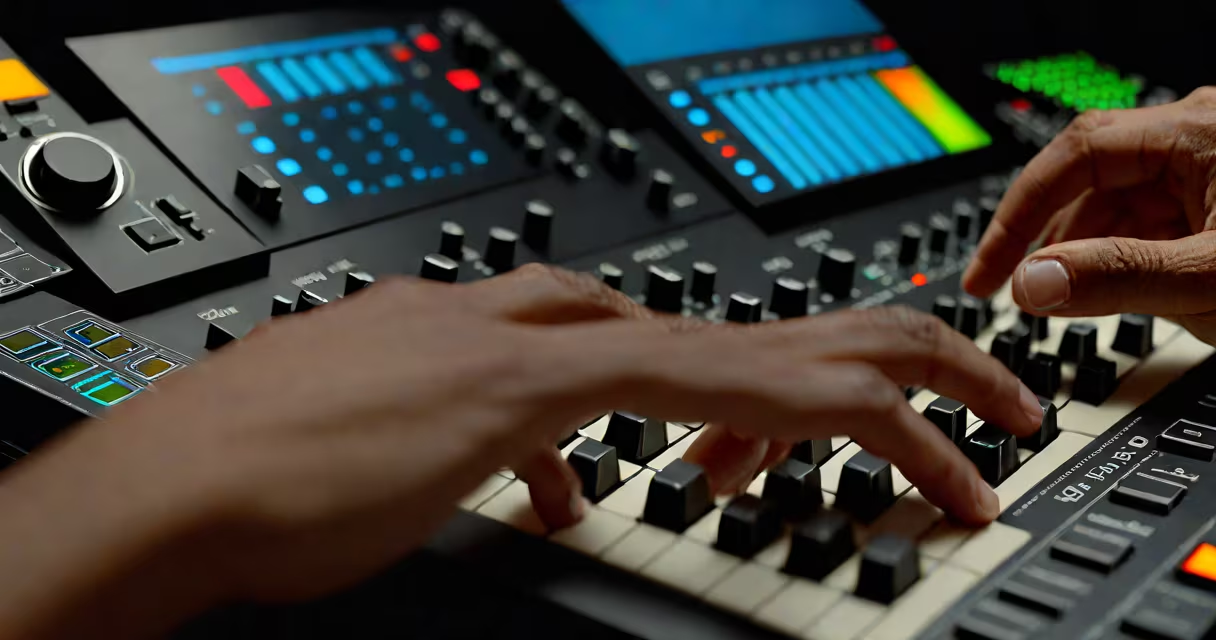
how to make a beat involves creating a rhythmic foundation for music using drum patterns, basslines, and melodies in a digital audio workstation (DAW). You start with a tempo and time signature, then layer sounds to build groove and structure. Most producers use software like FL Studio, Ableton Live, or Logic Pro to sequence loops and adjust timing.
Beatmaking begins with setting a tempo-typically between 70 and 160 BPM depending on genre. A common choice is 120 BPM for hip-hop and R&B. Next, you choose a time signature; 4/4 is standard for most electronic and pop music. Once set, you lay down a kick drum on every beat, a snare on beats 2 and 4, and add hi-hats to create motion. This skeleton forms the core of the track.
After establishing the rhythm, you introduce a bassline. In 808-style hip-hop, the bass is often a sub-bass sine wave synced to the kick. You can draw notes in MIDI or record live via keyboard. Adding a melody-using chords, arpeggios, or a vocal sample-gives the beat emotional direction. Producers often loop a 4-bar phrase and vary it over time to maintain interest.
Modern beatmakers rely on DAWs, virtual instruments, and audio plugins. FL Studio is popular among hip-hop producers for its piano roll interface and pattern-based workflow. Ableton Live excels in live performance and real-time looping. Logic Pro offers high-quality sampled instruments and advanced mixing tools.
Free alternatives include LMMS and Cakewalk by BandLab. These provide full beatmaking capabilities without cost. For hardware, MIDI controllers like the Akai MPK Mini or Novation Launchkey let you play drums and melodies with physical keys and pads. Even a smartphone app like GarageBand can produce professional-grade beats with proper technique.
Sample libraries such as Splice or Loopmasters supply royalty-free drum hits, basses, and melodies. A producer might load a 909 kick from a sample pack, layer a vinyl crackle effect, and pitch-shift a snare to fit the key. Using EQ and compression ensures each element sits in the mix.
Beats vary by genre and function. Trap beats emphasize sidechain compression, rapid hi-hat rolls, and heavy 808s. A typical trap pattern uses triplets in the hi-hats and a delayed snare on the offbeat. Hip-hop beats favor swung rhythms-where eighth notes are slightly delayed-to create a laid-back feel. Jazz-influenced beats use syncopated basslines and brushed snares.
| Type | Tempo Range | Key Elements | Use Case |
|---|---|---|---|
| Hip-Hop | 70-110 BPM | Swung kick/snare, vinyl noise, soul samples | Lyric-driven tracks, introspective themes |
| Trap | 140-160 BPM | Sidechained 808s, rapid hi-hat rolls, pitched-down vocals | Drill, mumble rap, club anthems |
| House | 118-130 BPM | Four-on-the-floor kick, filtered bass, synth stabs | Dance floors, festival sets |
| Lo-fi | 80-100 BPM | Chopped samples, tape hiss, muted highs | Study music, chill playlists |
Each type follows structural conventions. A house beat typically starts with a four-on-the-floor kick and builds with rising synths. A lo-fi beat often features a slowed-down jazz sample with intentional imperfections-like warbling pitch or low-pass filtering.
Set your DAW to 90 BPM, 4/4 time. Load a 909 kick sample and place it on every quarter note. Add a snare on beats 2 and 4. Use a closed hi-hat on eighth notes, then apply a slight swing (15%) to the hi-hat pattern to create groove.
Draw a bassline in MIDI: root note (C), octave below, then a descending scale. Use a sub-bass oscillator with a low-pass filter set to 100 Hz. Apply sidechain compression so the kick ducks the bass every time it hits.
Import a chopped soul sample-say, a 3-second vocal clip from a 1970s record. Slice it into 16th-note phrases and reverse the last two bars. Layer it under the snare and automate volume to fade in slowly. Add reverb with a long decay (2 seconds) to give space.
Export the final beat as a WAV file. Use it as a base for a rapper's verse or loop it in a longer track. This exact workflow was used by producers on Kendrick Lamar's "Alright" and J. Cole's "Middle Child."
Many beginners think making a beat requires expensive gear. That's false. You can make a hit-worthy beat with a free DAW and a pair of headphones. The quality comes from arrangement and taste-not price tags.
Another error is overloading the mix. Too many layers cause mud. A single kick, snare, and bassline can carry a track. Focus on space and dynamics. Use automation to bring elements in and out-like fading in a synth pad during the chorus.
Some assume all beats must be original. But sampling is central to hip-hop history. DJ Premier used 1960s jazz records to build beats for Nas and Gang Starr. Today, Splice offers licensed samples for commercial use. Always credit sources and follow licensing terms.
I once spent two weeks trying to replicate a beat from a viral TikTok song. I used the same kick, snare, and 808 pattern-but the result sounded flat. The difference? The original had subtle timing variations. I added humanized velocity and slight delay to the snare. The beat gained life. That's the edge pros use: small imperfections that sound intentional.
Practice by recreating beats you admire. Study the structure-how many bars, where the drop happens, how the bass interacts with the kick. Use reference tracks to train your ear.
how to make a beat is a skill shaped by repetition, listening, and experimentation. Start small. Build one pattern. Test it on different speakers. Refine until it feels right. The best beats aren't perfect-they're memorable.