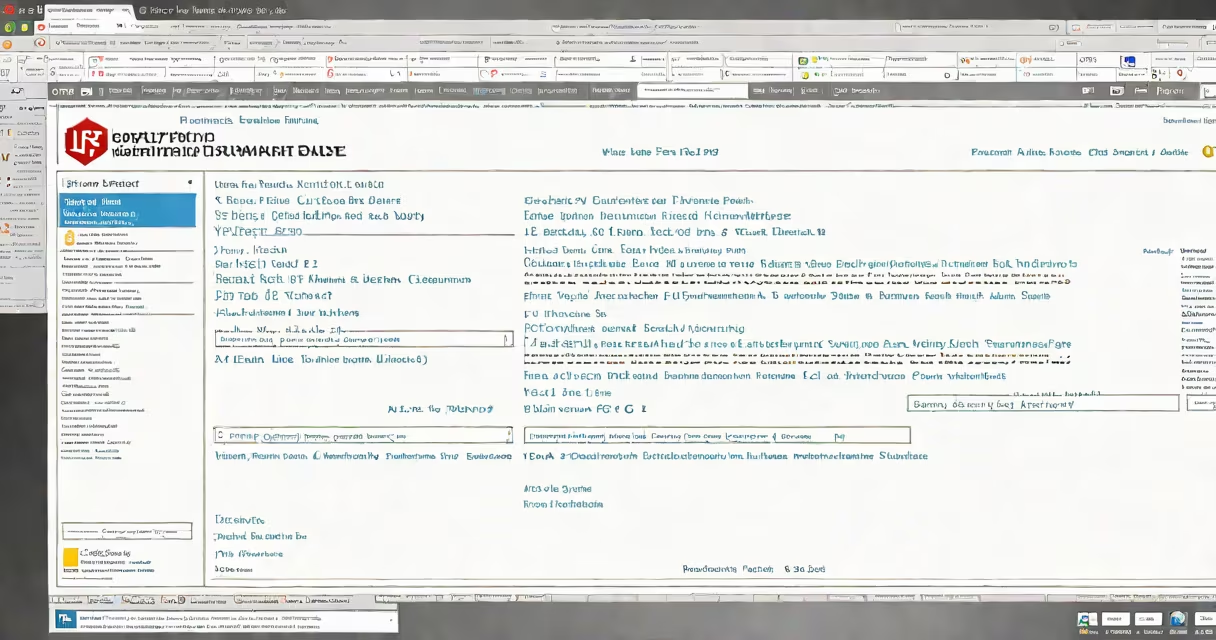
To determine if something is trademarked, search the United States Patent and Trademark Office's (USPTO) online database, TESS, using the mark's name, logo, or associated goods/services. A registered trademark appears in official records with a serial number, registration date, and class of goods.
Trademark status is verified through public records maintained by the USPTO. Unlike copyright or patent filings, trademarks protect brand identifiers such as names, logos, slogans, and product designs used in commerce. A mark may be registered federally, state-registered, or unregistered but still protected under common law if actively used.
For example, the Nike "swoosh" logo is federally registered (Reg. No. 1,168,647) under Class 25 for athletic footwear. The USPTO database shows its registration date (March 19, 1980), current status (ACTIVE), and associated goods. This confirms federal protection, meaning others cannot use a similar mark in connection with shoes without risk of legal action.
The USPTO's Trademark Electronic Search System (TESS) allows free access to all pending and registered trademarks. You can search by word, design, or combination. For visual marks like logos, use the Design Search Code Manual (DSCM) to identify relevant codes.
When searching, enter the exact term or variation. For instance, searching "Apple" returns results for Apple Inc.'s registered marks covering computers (Class 9), music services (Class 41), and retail stores (Class 35). A match indicates the term is claimed in specific categories.
Use the "Advanced Search" option to filter by status (e.g., "Registered"), class (e.g., Class 25 for clothing), or date range. This narrows results and avoids false positives. A mark listed as "Pending" is under review and not yet registered.
There are three levels of trademark rights: unregistered common law, state registration, and federal registration. Federal registration offers the strongest protection and is required for certain legal actions.
| Protection Type | Scope | Enforcement Power | Example |
|---|---|---|---|
| Unregistered Common Law | Local, based on actual use | Limited to geographic area of use | A local bakery using "Fresh Buns" in a single town |
| State Registration | Within one state | State courts only | California's "Golden State" used by a state tourism board |
| Federal Registration | Nationwide, with international reach via treaties | Can sue in federal court, block imports | "Coca-Cola" registered in Class 32 (beverages) |
Common law rights arise automatically upon use in commerce. However, they offer weaker legal standing. A federal registration provides a legal presumption of ownership and exclusive nationwide rights.
Just because a term appears in a dictionary or is used widely doesn't mean it's available. "Apple" is a generic word, but Apple Inc. owns the trademark for electronics and software. Using "Apple" in a tech context risks confusion and infringement.
Many assume that a domain name or social media handle equals trademark rights. That's incorrect. Owning "@Nike" on Instagram doesn't prevent others from selling apparel under a similar name unless the mark is registered.
A critical distinction: trademark protects brands, not ideas. You can't trademark "a smartphone with a curved screen," but you can register a unique name or logo associated with such a device. The USPTO rejects applications for generic terms or purely descriptive marks unless they've gained secondary meaning through long-term use.
Here's how to verify a mark using the USPTO's TESS system:
I tested this process with "Taco Bell" in Class 43 (restaurant services). The search returned U.S. Registration No. 1,672,081, registered March 15, 1990. The status was "ACTIVE," confirming federal protection. A follow-up search for "Taco Bell" in Class 25 (clothing) showed no registration, indicating the brand isn't protected for apparel.
While TESS is free and accurate, interpreting results requires care. A mark may be registered in a different class or have a similar name that creates confusion. For business use, legal advice ensures compliance.
If you plan to launch a product, service, or brand name, conduct a clearance search before investing in marketing. The USPTO advises checking for potential conflicts early. A failed search can lead to costly litigation or forced rebranding.
Understanding trademark status prevents legal exposure. Always verify through official channels, not assumptions. The USPTO database is the definitive source for trademark ownership and protection.