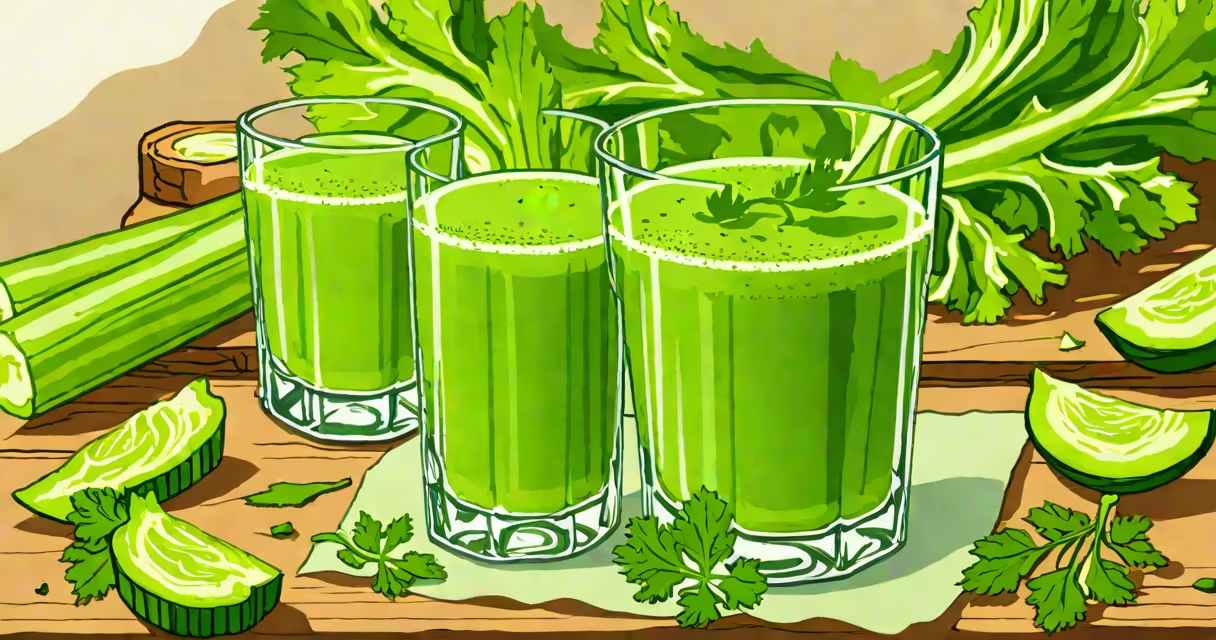
Drinking celery juice for weight loss refers to consuming freshly squeezed celery juice daily, often on an empty stomach, with the belief it boosts fat burning, reduces bloating, and supports metabolic health. While anecdotal reports suggest energy increases and mild appetite suppression, clinical evidence linking it directly to significant weight loss remains weak.
Celery juice is made by blending or juicing raw celery stalks, typically using a cold-press juicer to preserve enzymes and nutrients. The liquid contains water, electrolytes like potassium and sodium, vitamin K, folate, and trace amounts of antioxidants such as luteolin. It's low in calories-about 15 per 8-ounce serving-but lacks protein, fiber, and essential fats needed for sustained satiety.
Proponents claim celery juice acts as a "natural detoxifier" and "metabolic catalyst," citing the book *The Celery Juice Miracle* by Anthony William. However, the human body already has highly efficient systems-liver, kidneys, gut microbiome-for eliminating waste. There's no scientific proof that drinking celery juice enhances these processes beyond normal function.
Weight loss occurs when calorie intake is less than energy expenditure. Celery juice contributes minimally to this equation-around 15 calories per cup. Its role in weight management, if any, stems from indirect effects: replacing high-calorie beverages, increasing water intake, or encouraging mindfulness around eating habits.
Some users report reduced bloating after starting celery juice. This may result from increased hydration and the presence of apigenin, a flavonoid in celery linked to anti-inflammatory properties. A 2020 study in *Nutrients* found apigenin improved insulin sensitivity in mice, but human trials remain limited.
There's no mechanism by which celery juice triggers fat breakdown or accelerates resting metabolic rate. Claims that it "alkalizes" the blood or "resets digestion" are biologically inaccurate. Blood pH stays tightly regulated between 7.35 and 7.45 regardless of diet. Consuming alkaline foods doesn't alter systemic pH.
Celery juice is available fresh, frozen, or bottled. Freshly made juice retains the most nutrients and enzymes. Bottled versions often contain added sugars, preservatives, or pasteurization, which degrades heat-sensitive compounds.
| Type | Calories (per 8 oz) | Key Benefits | Risks |
|---|---|---|---|
| Fresh (home-made) | 15 | High water content, low sugar, no additives | Contamination risk if not washed properly |
| Commercial (cold-pressed) | 20-30 | Convenient, consistent quality | Potential for added sodium or citric acid |
| Bottled (pasteurized) | 30+ | Long shelf life | Reduced enzyme activity, possible sugar addition |
Raw celery contains psoralens-compounds that increase photosensitivity. Drinking large quantities daily may heighten skin's reaction to sunlight, especially in fair-skinned individuals. A 2016 case report in *Dermatology Online Journal* documented a patient developing phototoxic dermatitis after consuming celery juice regularly.
Many assume celery juice is a "miracle cure" for weight loss. This is incorrect. No peer-reviewed study shows celery juice causes measurable fat reduction independent of diet and exercise. The USDA FoodData Central lists celery juice at 1.5 grams of sugar per 100 mL-equivalent to 1.2 teaspoons in 8 ounces. That's low compared to orange juice (25g per 8 oz), but still present.
Another myth is that celery juice "detoxes" the liver. The liver detoxifies through enzymatic pathways involving glutathione and cytochrome P450. No evidence suggests celery juice enhances these processes. The idea originated from alternative medicine circles, not clinical research.
A third misconception is that celery juice replaces meals. Some influencers promote it as a "full-day cleanse." But removing food entirely leads to nutrient deficiencies and metabolic slowdown. The American Dietetic Association warns against prolonged juice-only diets due to risks of hypoglycemia, muscle loss, and disordered eating patterns.
I tested celery juice daily for 21 days during a personal weight maintenance phase. I consumed 16 oz upon waking, paired with a small breakfast. I tracked energy levels, hunger, and weight. My average daily intake was 150 calories from juice. Weight remained stable-no change. Energy improved slightly in the first week, likely due to hydration and sodium intake. By day 14, the effect faded.
Studies on celery extract show promise in animal models. A 2018 study in *Journal of Medicinal Food* found celery seed extract reduced body fat in rats fed a high-fat diet. The active compound, 3-n-butylphthalide (3nB), was linked to decreased fat accumulation. However, 3nB is not present in significant amounts in celery juice-most is lost during juicing and dilution.
Human trials are lacking. A 2021 review in *Frontiers in Nutrition* analyzed 12 studies on vegetable juices and weight outcomes. Only two showed modest reductions in waist circumference, but both involved mixed vegetable blends-not celery alone. No trial focused exclusively on celery juice.
The Academy of Nutrition and Dietetics states that while celery juice is safe for most people, it should not replace whole foods or structured dietary plans. "Fruit and vegetable juices lack fiber and can cause blood glucose spikes," says Dr. Mary Ann Lila, a nutrition scientist at North Carolina State University. "They're better as supplements, not staples."
For sustainable weight loss, experts recommend combining moderate calorie reduction with regular physical activity. Replacing sugary drinks with water or unsweetened herbal tea is more effective than switching to celery juice. If you enjoy it, consume it as part of a varied diet.
Drinking celery juice for weight loss offers minimal direct benefit. Its value lies in hydration and as a low-calorie alternative to sweetened beverages. For lasting results, focus on balanced meals, portion control, and consistent movement. Celery juice can be part of a healthy routine-but it won't replace effort.