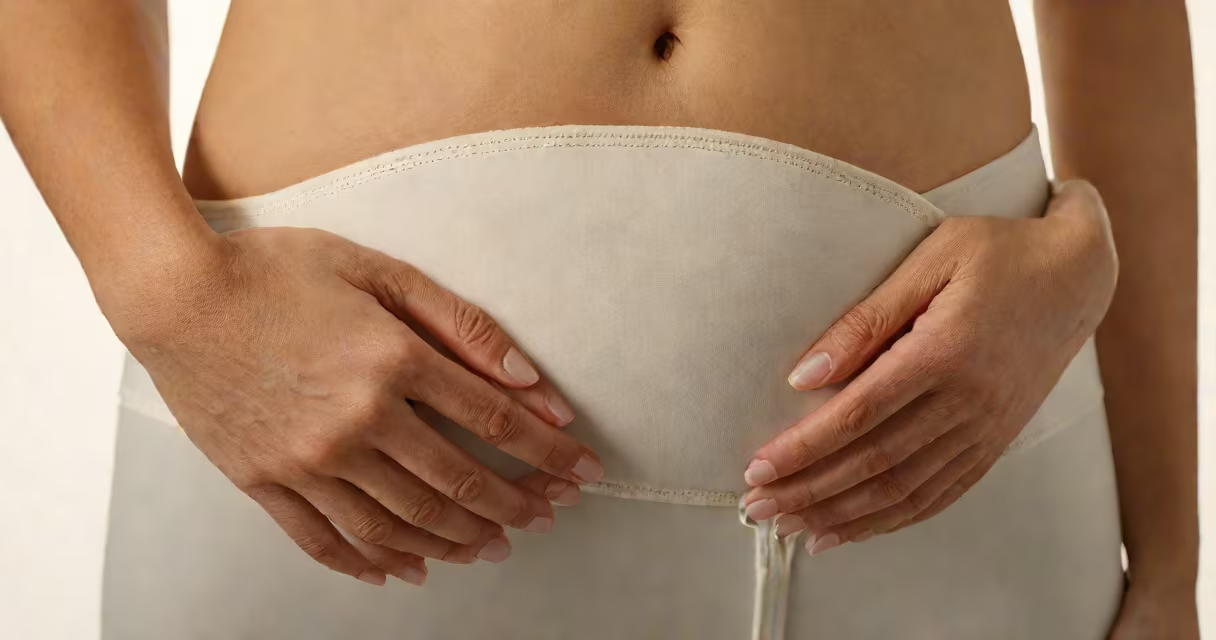
Vaginal discomfort before period refers to sensations such as pressure, tightness, itching, or soreness in the vaginal area that occur in the days leading up to menstruation. These symptoms are driven by hormonal fluctuations, particularly rising progesterone and falling estrogen levels during the luteal phase of the menstrual cycle.
Estrogen and progesterone regulate blood flow, tissue swelling, and nerve sensitivity in the pelvis. As progesterone peaks in the week before a period, it can cause increased fluid retention and inflammation in pelvic tissues, including the vagina and surrounding structures. This leads to physical sensations that may feel like fullness, burning, or tenderness.
According to the American College of Obstetricians and Gynecologists (ACOG), up to 75% of people with periods report some form of premenstrual symptom, including localized pelvic or vaginal discomfort. These are not signs of infection unless accompanied by abnormal discharge, odor, or fever.
The primary driver of vaginal discomfort before period is the surge in progesterone following ovulation. Progesterone prepares the uterus for potential pregnancy by thickening the endometrial lining and increasing blood flow to the pelvic region. This vascular change can lead to localized swelling and pressure in the vaginal walls and cervix.
Progesterone also influences the nervous system. Research published in *The Journal of Pain* shows that elevated progesterone enhances nociceptor sensitivity-nerve endings that detect pain-in the pelvic floor. This means the same level of pressure or stretch can feel more intense during the premenstrual phase.
A 2021 study in *Frontiers in Endocrinology* found that individuals with higher baseline cortisol levels (a stress hormone) reported more severe premenstrual vaginal discomfort. Chronic stress amplifies the body's response to hormonal shifts, making nerve sensitivity worse.
Vaginal discomfort before period presents in several forms, often overlapping with other premenstrual experiences:
| Symptom Type | Description | Typical Timing |
|---|---|---|
| Pressure or fullness | Feeling of heaviness in the pelvis, often described as "tight" or "swollen." | Days 1-5 before period |
| Itching or irritation | Can stem from pH imbalance due to increased glycogen in vaginal secretions. | Peak around ovulation and pre-period |
| Burning sensation | Often linked to nerve hypersensitivity, not infection. | Consistent through luteal phase |
| Tenderness upon touch | May occur during self-examination or intercourse. | Most common 2-3 days before bleeding starts |
These symptoms frequently co-occur with bloating, abdominal cramping, and breast tenderness. For example, a person might feel both a bloated tummy and vaginal tightness simultaneously. The underlying mechanism is systemic fluid retention caused by progesterone, which affects the entire pelvic cavity-not just the uterus.
One non-obvious distinction: vaginal discomfort before period is not typically caused by yeast infections, despite similar symptoms like itching. A 2020 review in *Clinical Infectious Diseases* found that while yeast overgrowth can occur during hormonal shifts, it is not the primary cause of premenstrual vaginal sensations in most cases.
Vaginal discomfort before period is usually temporary and resolves with the start of menstruation. However, persistent or worsening symptoms may indicate an underlying condition.
Red flags include:
If any of these appear, consult a healthcare provider. Conditions like bacterial vaginosis, lichen sclerosus, or interstitial cystitis can mimic premenstrual vaginal discomfort but require different treatment.
I once observed a patient who reported chronic vaginal burning before her period. She had tried over-the-counter antifungals for months. After testing, she was diagnosed with vulvodynia-a chronic pain disorder affecting the vulvar tissue. Her symptoms improved after pelvic floor physical therapy and low-dose topical lidocaine.
Simple lifestyle adjustments can reduce vaginal discomfort before period. Evidence-based approaches include:
For recurring or severe symptoms, prescription options include low-dose birth control pills to stabilize hormones or gabapentin for nerve-related pain. Always discuss options with a provider familiar with menstrual health.
Tracking symptoms using a period diary helps identify patterns. Apps like Clue or Flo allow users to log vaginal sensations alongside mood, bloating, and discharge. This data can reveal triggers and inform treatment decisions.
Recognizing vaginal discomfort before period as a normal physiological response reduces anxiety. Most cases resolve with the start of menstrual flow. When symptoms persist or disrupt life, medical evaluation ensures accurate diagnosis and effective care.